
16 Best Bread Baking Books
The best bread baking books, ranked by how many expert sources recommend each one, with notes for choosing first loaves, sourdough, recipes, and technical guides.
Our take
Bread-baking books can teach a first loaf, explain what dough is doing, or widen the range of breads you make. The choice depends on your experience, schedule, and ingredients. Some methods trade hands-on work for longer fermentation, while technical references give experienced bakers more detail than a beginner may need. Sourdough guides add the ongoing task of maintaining and understanding a starter.
Josey Baker Bread and Bread Illustrated offer approachable routes through practical lessons. Flour Water Salt Yeast connects artisan bread and pizza with clear process explanations, while My Bread concentrates on a no-knead method. Tartine Bread and The Perfect Loaf focus more deeply on sourdough. For sustained technical study, consider The Bread Baker's Apprentice or Hamelman's Bread. The Handmade Loaf and The Hot Bread Kitchen Cookbook connect recipes with different baking traditions. Start with an introductory book whose method fits the time you can give it, then follow the breads you most want to learn.
16 books · 10 sources · Last updated
As an Amazon Associate, we earn from qualifying purchases (at no extra cost to you).
How to choose from this list
Skip to the full rankingIf you're starting from zero: Josey Baker Bread → Bread Illustrated
If you want artisan bread and pizza: Flour Water Salt Yeast
If you want less hands-on mixing: My Bread
If you want to go deeper into sourdough: Tartine Bread → The Perfect Loaf
If you're ready for technical study: The Bread Baker's Apprentice → Bread
If you need gluten-free recipes: Gluten-Free Artisan Bread in Five Minutes a Day
The 16 books, ranked
Ranked by how many expert sources name each book. Ties go to the book more people recommend.

For home bakers who want artisan loaves and pizza connected with a clear fermentation process. Forkish explains the reasoning behind schedules and dough handling, though the long timelines and attention required suit planned baking better than a spontaneous loaf.
What it's about
Forkish teaches artisan bread and pizza baking with recipes adapted to a home oven. Straight doughs, preferments, and naturally leavened breads introduce different schedules and techniques, with explanations of baker's percentages, dough ratios, equipment, and maintaining a levain starter.

Tartine Bread
For bakers who want to develop skill through a closely explained sourdough method. Robertson's photographs make subtle stages easier to study, though judging fermentation and handling the dough still require practice beyond following the printed schedule.
What it's about
Robertson teaches the bread-making methods developed at San Francisco's Tartine Bakery through detailed instructions and step-by-step photographs. Variations on a master recipe introduce different loaves, while sweet and savory dishes show how to use bread after its first day.

For experienced home bakers and professionals who want a substantial technical reference. Hamelman's range connects methods with many bread styles, though the formulas and dense explanations make it less welcoming than an illustrated first-loaf guide.
What it's about
Hamelman explains bread-making techniques through detailed recipes, drawings, and photographs for professionals and experienced home bakers. This edition covers a wide range of breads, including sourdough, rye, brioche, flatbreads, and French loaves, with step-by-step guidance throughout.

The Bread Baker's Apprentice
For bakers who want a structured foundation that extends across different breads. Reinhart's staged approach connects technique with explanation, though the substantial teaching material rewards working through the process rather than treating the book as a quick recipe lookup.
What it's about
Reinhart teaches twelve stages of bread making through clear instructions, photographs, and master formulas. Classic breads, bagels, and pizza dough connect practical technique with baking science and history, while this revised edition updates methods and adds measurement and temperature conversions.

The King Arthur Baking Company Big Book of Bread: 125+ Recipes for Every Baker
For home bakers who want a broad collection with teaching alongside the recipes. King Arthur combines varied breads with practical technique, though the size and range make it helpful to choose a smaller learning path before attempting unfamiliar doughs.
What it's about
King Arthur Baking Company brings together yeasted and naturally leavened breads, from familiar home loaves to recipes influenced by baking traditions around the world. Technique explanations and practical guidance connect the recipes with dough handling, fermentation, shaping, and baking.

Bread Revolution
World-Class Baking with Sprouted and Whole Grains, Heirloom Flours, and Fresh Techniques
For bakers ready to explore sprouted flours, whole grains, and unfamiliar ingredients. Reinhart gives these materials focused technical attention, though ingredient sourcing and the specialized methods make it less direct as a general beginner's bread book.
What it's about
Reinhart explores baking with sprouted flours, whole and ancient grains, and alternative ingredients. Fifty recipes and formulas introduce new methods alongside guidance on soakers, preferments, and sourdough starters, including allergy-friendly and gluten-free approaches.

Gluten-Free Artisan Bread in Five Minutes a Day
The Baking Revolution Continues with 90 New, Delicious and Easy Recipes Made with Gluten-Free Flours
For bakers who want gluten-free recipes organized around preparing dough ahead. Hertzberg and François adapt a practical batch method, though the approach depends on particular flour blends and the short active preparation still includes waiting and baking time.
What it's about
Hertzberg and François adapt their stored-dough method to gluten-free bread, mixing batches ahead for later baking. Ninety recipes and guidance on flour blends show how to make varied breads without wheat, barley, or rye, with limited active preparation for basic loaves.

For home bakers who want to reduce hands-on mixing and kneading. Lahey develops one clear method through variations, though the convenience comes from giving fermentation time and does not make it a route to instant bread.
What it's about
Jim Lahey explains his no-knead approach to bread, using slow fermentation in place of extensive hands-on work. The cookbook develops a basic method through variations on loaves and rolls, showing home bakers how time can transform simple ingredients.
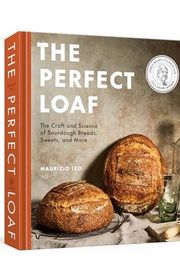
For bakers who want sourdough explained through careful observation and troubleshooting. Leo connects detailed technique with a broad recipe range, though the substantial explanations and long fermentation schedules demand more attention than a short introductory guide.
What it's about
Maurizio Leo explains the fundamentals of sourdough, from managing a starter to fermentation and baking. Detailed techniques and recipes cover loaves, pizza, and sweet baking, helping readers apply naturally leavened methods across different kinds of dough.
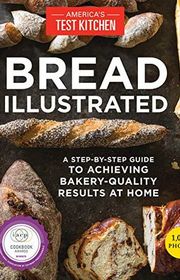
Bread Illustrated: A Step-By-Step Guide to Achieving Bakery-Quality Results At Home
For beginners who want to see what each stage should look like. The photographs make processes easier to compare with your own dough, though the extensive visual guidance favors following individual recipes over a compact reference format.
What it's about
America's Test Kitchen teaches bread baking through recipes presented as photographed tutorials. Instructions for loaves, rolls, flatbreads, and other styles explain the appearance and handling of dough at successive stages, connecting practical steps with the reasons behind them.

For readers who want recipes accompanied by a baker's reflections on work and home. Philip gives the craft a personal, human setting, though the memoir structure offers less of a straight technical course than a dedicated instructional manual.
What it's about
Baker Martin Philip intertwines personal recollections with seventy-five recipes, exploring the place of bread in a meaningful life. His account of finding a vocation in baking accompanies practical techniques and reflections on craftsmanship, family connections, and the act of sharing food.

For bakers who want a sourdough starter used beyond a basic loaf. Owens's range opens paths into sweet and savory baking, though the varied ingredients and recipes make it less concentrated than a book devoted to one bread method.
What it's about
Sarah Owens introduces baking with a homemade sourdough starter and applies it beyond conventional bread. Recipes include rustic loaves, cookies, cakes, scones, flatbreads, and tarts, combining fermentation with a broad range of sweet and savory baking.
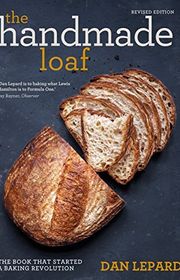
The Handmade Loaf
For bakers who want techniques connected with the people and traditions behind different loaves. Lepard's photographs and observations bring craft into the recipes, though the varied European breads provide less of a single, steadily progressing beginner's course.
What it's about
Dan Lepard combines bread recipes with photographs and encounters from his travels around Europe. Home and professional baking traditions inform his approach to fermentation, ingredients, and working dough by hand, giving readers a varied collection to explore.

For home bakers who want a wider range of breads with cultural stories around them. The bakery's community gives the recipes a distinctive setting, though the variety requires moving between techniques and ingredients rather than mastering one repeated method.
What it's about
Coauthored with Jessamyn Waldman Rodriguez, this cookbook brings the bakery's breads and stories home. It teaches bakers to make global staples and lesser-known favorites while showing how Hot Bread Kitchen supports immigrant women.

For beginners who want a friendly progression from a first loaf to more ambitious baking. Baker's conversational lessons make experimentation approachable, though the informal style and gradual teaching offer less concise technical reference than an experienced baker may prefer.
What it's about
Josey Baker teaches bread making through illustrated lessons that progress from a basic loaf to more complex breads. Recipes and explanations also cover pizza, pocketbreads, and sweet treats, with a conversational approach intended to encourage beginning bakers.

For bakers interested in the people and ingredients behind artisan bread. Leader connects recipes with milling, farming, and bakery practice, though the travel and craft discussions make it less linear than a focused course on home technique.
What it's about
Daniel Leader explores artisan bread making through encounters with bakers, farmers, millers, and scientists. Recipes accompany discussions of wheat, milling, sourdough starters, and dough mixing, connecting traditional methods with experiments and innovations in contemporary baking.
Sources
- 1
The Best Bread Cookbooks for Beginners - Fine Dining Lovers
finedininglovers.com
- 2
The Best Bread Baking Books for Beginners | Epicurious
epicurious.com
- 3
The 11 Best Bread Cookbooks
thespruceeats.com
- 4
The 13 Best Bread Cookbooks
foodandwine.com
- 5
The Best Bread Baking Books That Should Be In Every Home Baker’s Library – The Bread Guide: The ultimate source for home bread baking
thebreadguide.com
- 6
Library Notes: Bread Baking | Institute of Culinary Education
ice.edu
- 7
Bread Baking Books
goodreads.com
- 8
What is your favorite intermediate level bread cookbook? : r/Breadit
reddit.com
- 9
what's the best book I can buy to learn how to bake bread? : r/Breadit
reddit.com
- 10
Best Books for Baking Bread - Five Books Expert Recommendations
fivebooks.com



Edited by
Software engineer whose passion for tracking book recommendations from podcasts inspired the creation of MRB.
Lead investor at 3one4 Capital whose startup expertise and love for books helped shape MRB and its growth.
Comments
Spotted a missing book, a wrong order or a mistake? Tell us and we'll fix this page.
We're a reading guide, not the author or publisher, so we can't send books or pass on messages.