
14 Best Writing Skills Books
The best writing skills books, ranked by how many expert sources recommend each one, with notes on reader fit, prose, revision, practice, and where to start.
Our take
Writing skills include more than avoiding grammatical mistakes. Writers need to choose useful details, organize ideas, control a sentence's emphasis, and revise with a reader in mind. They also need enough practice to recognize when familiar habits are helping or getting in the way. The books here approach that work at different scales, from individual words to a complete manuscript and the routines that make one possible.
For nonfiction, On Writing Well connects clarity with structure and voice. The Sense of Style explains how prose works for a reader, while Write Tight concentrates on removing excess. Narrative writers can practice with Steering the Craft or examine revision through Stein On Writing. Books such as Bird by Bird and Writing Down the Bones address the doubts and habits that can stop a draft before it exists. Start with the obstacle in front of you: a practice guide to get words down, or a style and revision book to make those words work better.
14 books · 8 sources · Last updated
As an Amazon Associate, we earn from qualifying purchases (at no extra cost to you).
How to choose from this list
Skip to the full rankingIf you want clearer nonfiction: On Writing Well → The Sense of Style
If you want short lessons to apply to drafts: Writing Tools
If your prose is too wordy: Write Tight
If you want narrative exercises and revision: Steering the Craft → Stein On Writing
If you want a usage and editing reference: Dreyer's English
If perfectionism keeps you from writing: Bird by Bird → Writing Down the Bones
The 14 books, ranked
Ranked by how many expert sources name each book. Ties go to the book more people recommend.

For fiction writers who want craft advice grounded in a working novelist's experience. Its practical discussion of habits and revision is easy to absorb, though the substantial memoir sections make it less concentrated than an exercise manual.
What it's about
King combines memories of childhood, early publication, and personal setbacks with practical advice about storytelling and revision. He considers the tools and habits of a writer's work, including the role writing played in recovering from his near-fatal accident.
Also recommended by
4 people Jason Calacanis recommended this book
Jason Calacanis
"Got me jazzed up about writing and reading more." - Jason Calacanis
Jason Calacanis's recommendation of this book  Brian Koppelman recommended this book
Brian Koppelman
"Still the gold standard." - Brian Koppelman
Brian Koppelman's recommendation of this book  Edgar Wright recommended this book
Edgar Wright
Edgar Wright recommended this book on Twitter.
Edgar Wright's recommendation of this book  Russell Moore recommended this book
Russell Moore
"Really helpful." - Russell Moore
Russell Moore's recommendation of this book

For nonfiction writers who want a lasting framework for clarity, structure, and voice. Zinsser connects revision principles with different kinds of nonfiction, though many examples come from traditional print writing rather than today's digital formats.
What it's about
William Zinsser offers guidance on writing nonfiction with clarity and effective structure. He addresses common problems in style and wording, then applies his principles to interviews, travel, science, sports, criticism, and other forms of nonfiction.
Also recommended by
4 people Tim Ferriss recommended this book
Tim Ferriss
"I have read this book more than a dozen times, more often for thinking than for writing." - Tim Ferriss
Tim Ferriss's recommendation of this book  Matt Mullenweg recommended this book
Matt Mullenweg
"I love reading about writers and the process of writing." - Matt Mullenweg
Matt Mullenweg's recommendation of this book  Derek Sivers recommended this book
Derek Sivers
"Great blunt advice about writing better non-fiction. So inspiring." - Derek Sivers
Derek Sivers's recommendation of this book  Jodie Cook recommended this book
Jodie Cook
"A fascinating exploration of writing for different genres." - Jodie Cook
Jodie Cook's recommendation of this book

For writers who want to understand why clear prose works rather than memorize prohibitions. Pinker's reader-focused explanations encourage judgment about style, though the linguistic detail makes it a slower read than a compact editing checklist.
What it's about
Steven Pinker uses cognitive science and examples of contemporary prose to explain how writing can become clearer and more effective. His guide examines style and usage while questioning rules that obscure how language actually works.
Also recommended by
1 person Brianne Kimmel recommended this book
Brianne Kimmel
"If you’re struggling to find the right words or new to writing publicly, this book is a must-read." - Brianne Kimmel
Brianne Kimmel's recommendation of this book

The Elements of Style
For writers who want a brief reference on economy and common usage problems. Its compact format makes rereading easy, though some prescriptive rules are better treated as guidance to consider than universal laws.
What it's about
William Strunk Jr.’s concise writing guide presents principles for clearer prose alongside rules of usage and composition. It addresses common errors, word choice, and unnecessary language, offering a compact reference for writers seeking greater precision and economy.
Also recommended by
3 people Tobi Lütke recommended this book
Tobi Lütke
"[My] most frequently gifted book is [this book] because I like good writing." - Tobi Lütke
Tobi Lütke's recommendation of this book  Kara Swisher recommended this book
Kara Swisher
"I reread it every year. It’s a great book." - Kara Swisher
Kara Swisher's recommendation of this book  Bill Nye recommended this book
Bill Nye
"This is my guide. I accept that I’ll never write anything as good as the introductory essay by [the author]. It’s brilliant." - Bill Nye
Bill Nye's recommendation of this book

For writers whose perfectionism prevents them from finishing drafts. Lamott makes small, imperfect steps feel workable, though the encouragement and personal stories provide less systematic sentence-level instruction than a dedicated style guide.
What it's about
A modern classic on writing and life, filled with practical advice on how to tackle large tasks by breaking them down into small, manageable pieces. Lamott shares stories from her own creative struggles, offering encouragement to anyone who battles perfectionism or writer's block.
Also recommended by
10 people- Tim Ferriss recommended this book
Tim Ferriss
"Fantastic book." - Tim Ferriss
Tim Ferriss's recommendation of this book  Daniel Pink recommended this book
Daniel Pink
"One of the greatest things ever." - Daniel Pink
Daniel Pink's recommendation of this book  Susan Cain recommended this book
Susan Cain
"I love [this book]. Such a good book." - Susan Cain
Susan Cain's recommendation of this book  Ryan Holiday recommended this book
Ryan Holiday
"Ostensibly about the art of writing, but really it too is about life and how to tackle the problems, temptations and opportunities life throws at us." - Ryan Holiday
Ryan Holiday's recommendation of this book - Matt Mullenweg recommended this book
Matt Mullenweg
"I love reading about writers and the process of writing." - Matt Mullenweg
Matt Mullenweg's recommendation of this book  Ramit Sethi recommended this book
Ramit Sethi
Ramit Sethi mentioned this book on "The Tim Ferriss Show" podcast.
Ramit Sethi's recommendation of this book +4
More recommendations
- Brian Koppelman
"Great." - Brian Koppelman
- Mark Bittman
"A really great writing book and it’s a good read." - Mark Bittman
- Mike Birbiglia
"I really like [this book]." - Mike Birbiglia
- Matt Haig
"My go-to gift or recommendation for anyone interested in writing, though it is as much a treatise on life as it is a creative-writing primer." - Matt Haig
- Brian Koppelman

For writers who need a regular practice and closer attention to everyday experience. Its short chapters and exercises lower the barrier to starting, though the Zen-inflected approach gives less help with organizing and revising a finished work.
What it's about
Natalie Goldberg combines writing exercises with reflections informed by Zen practice. Her short chapters encourage attention to everyday experience, trust in first thoughts, and regular practice, addressing the doubts and habits that can prevent writers from getting words onto paper.
Also recommended by
1 person- Tim Ferriss recommended this book
Tim Ferriss
"A great book." - Tim Ferriss
Tim Ferriss's recommendation of this book

For writers who have lost pleasure or momentum in creating work. Bradbury's enthusiasm offers a different kind of encouragement from rule-based manuals, though the personal essays provide no systematic sequence of craft exercises.
What it's about
Eleven essays draw on Bradbury's experiences writing stories, novels, plays, poetry, and scripts. He discusses inspiration, enthusiasm, and the pleasure of creation, describing the habits and discoveries that shaped his working life rather than prescribing a technical writing system.

For writers who want short lessons they can apply directly to a draft. Its examples and practice suggestions connect sentence choices with larger effects, though the modular format requires you to decide which tools your work needs.
What it's about
Roy Peter Clark presents practical strategies for improving prose, from sentence construction to story structure and working habits. Examples from journalism and literature illustrate ways to sharpen language, shape narratives and create memorable effects for readers.
Also recommended by
1 person Rolf Potts recommended this book
Rolf Potts
Rolf Potts recommended this book in the "Tools of Titans" book.
Rolf Potts's recommendation of this book
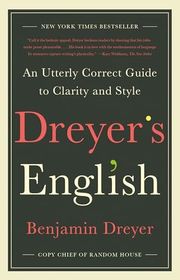
Dreyer's English: An Utterly Correct Guide to Clarity and Style
For writers who enjoy a copyeditor's close attention to usage, punctuation, and awkward phrasing. Dreyer combines practical distinctions with humor, though his American-English preferences are not a complete style system for every audience.
What it's about
Copyeditor Benjamin Dreyer examines punctuation, grammar, word choice, and the habits that make prose harder to read. Practical observations and examples explore how editing decisions affect clarity and style, alongside reflections from his publishing experience.

For people writing business content who need a reader-focused process. Handley connects planning, drafting, and revision with common marketing tasks, though the commercial context is less relevant to literary fiction or extended academic argument.
What it's about
Ann Handley presents a practical guide to writing content for businesses and their audiences. She discusses developing ideas, organizing drafts, revising sentences, and approaching common marketing formats, emphasizing clarity and attention to the reader throughout the writing process.
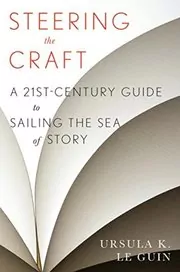
For narrative writers who want to develop skills through deliberate exercises. Le Guin's focus on sound, viewpoint, and narrative movement makes practice specific, though the book rewards doing the assignments rather than reading for general encouragement.
What it's about
A practical guide to fiction writing that breaks craft into usable parts, from sound and syntax to point of view, with exercises all along the way.

Stein On Writing
For writers ready to diagnose problems in an existing manuscript. Stein's editorial approach makes characterization, tension, and reader engagement concrete, though its strong preferences require judgment when your aims differ from his examples.
What it's about
Sol Stein offers practical techniques for creating and revising fiction and nonfiction. Drawing on his experience as an editor and teacher, he examines characterization, conflict, and reader engagement, explaining how writers can diagnose flaws and strengthen their work.

For writers who want grammar explained as a set of expressive choices. Clark links usage with rhythm and meaning in readable pieces, though readers seeking exhaustive rules and exceptions will need a fuller reference.
What it's about
Roy Peter Clark explores practical English through the choices that give language clarity and force. His guide examines words, grammar and usage, showing how concrete nouns, active verbs and deliberate phrasing can strengthen a writer's meaning.

For writers whose drafts wander, repeat themselves, or use inflated language. Its close focus on cutting makes revision easier to target, though concision alone will not solve problems with argument, structure, or narrative development.
What it's about
William Brohaugh explains how to identify and remove wordiness at every scale, from unnecessary syllables to wandering chapters. Exercises and revision techniques address repetition, evasiveness, tangents, and inflated language while considering when extreme brevity can weaken writing.
Sources
- 1
10 Amazing Books That Will Improve Your Writing Skills
grammarly.com
- 2
10 Books That Are A Must-Read To Improve Your Writing Skill
iuemag.com
- 3
The 40 Best Books About Writing: A Reading List for Authors
reedsy.com
- 4
Writing Books
goodreads.com
- 5
100 Best Writing Skills Books of All Time
shortform.com
- 6
Books on Academic Writing
hls.harvard.edu
- 7
Reading about Writing
web.stanford.edu
- 8
Which books helped you become a better writer?
reddit.com



Edited by
Software engineer whose passion for tracking book recommendations from podcasts inspired the creation of MRB.
Lead investor at 3one4 Capital whose startup expertise and love for books helped shape MRB and its growth.
Comments
Spotted a missing book, a wrong order or a mistake? Tell us and we'll fix this page.
We're a reading guide, not the author or publisher, so we can't send books or pass on messages.