
11 Best Automotive Books
The best automotive books, ranked by how many expert sources recommend each one, with notes to help car enthusiasts choose histories, memoirs, and driving guides.
Our take
Automotive books can explain how cars developed, how racing teams work, or why a particular model attracts such devoted owners. They also tell stories about the people behind the machines, from designers making difficult compromises to drivers competing in dangerous conditions. You don't need to be a mechanic to enjoy these books, but it helps to know whether you want a story, a visual history, or something to use at the track.
Go Like Hell: Ford, Ferrari, and Their Battle for Speed and Glory at Le Mans offers a focused racing narrative. Adrian Newey’s memoir brings design decisions into a personal account of motorsport, while the Mustang and Porsche volumes reward readers who like photographs and model details. Ultimate Speed Secrets shifts toward driving technique, and Rapid Response examines racing through medical care and safety. Start with a narrative if you want to read straight through, or pick a marque history if one particular car already holds your attention.
11 books · 8 sources · Last updated
As an Amazon Associate, we earn from qualifying purchases (at no extra cost to you).
How to choose from this list
Skip to the full rankingIf you want a racing story: Go Like Hell → Faster
If you want a designer’s perspective: How to Build a Car
If you want to study one model: Mustang → The Complete Book of Porsche 911
If you want to improve track driving: Ultimate Speed Secrets
If you want to understand racing safety: Rapid Response
The 11 books, ranked
Ranked by how many expert sources name each book. Ties go to the book more people recommend.

For readers who prefer a racing rivalry to a catalog of cars. Its narrative ties business ambition to the dangers of Le Mans, though it follows one contest rather than offering a broad motorsport history.
What it's about
A. J. Baime recounts the rivalry between Ford and Ferrari in the pursuit of victory at Le Mans during the 1960s. The narrative connects corporate ambition, racing-car development, and dangerous competition as Henry Ford II challenges Enzo Ferrari’s dominance.

For Formula One fans curious about the designer behind the cars. Newey connects engineering choices with personal experience, but this is a career memoir rather than a step-by-step guide to designing your own vehicle.
What it's about
Adrian Newey recounts his career through the racing cars he designed and the drivers and teams he worked with. Personal memories, engineering explanations, and drawings reveal the creative challenges, triumphs, and tragedies behind his work in IndyCar and Formula One.
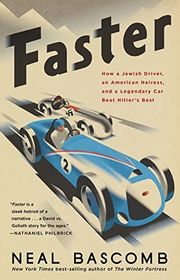
Faster
For readers who want racing history connected to the politics of prewar Europe. Its focus on an unlikely team gives the competition personal stakes, but the historical context takes space alongside the racing action.
What it's about
Neal Bascomb follows René Dreyfus, Lucy Schell, and Delahaye as they challenge German dominance in 1930s Grand Prix racing. The narrative connects engineering, ambition, and antisemitism to explain what was at stake beyond the finishing line.

Hurley From The Beginning
For endurance-racing fans who want a driver’s personal view of the sport. Haywood brings relationships and life away from competition into the story, but the focus stays on his own career and circle.
What it's about
Hurley Haywood recounts his life and endurance-racing career with Sean Cridland. The account follows his early years, partnership with Peter Gregg, connections to Porsche and Brumos, and experiences with the cars and drivers that shaped his professional and personal life.
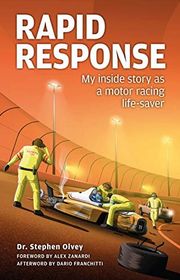
Rapid Response
For motorsport readers interested in what happens when racing goes wrong. A doctor’s perspective gives safety changes a human context missing from most car histories, but accounts of severe injuries can be difficult to read.
What it's about
Stephen Olvey recounts his work providing medical care in professional motorsport. His memoir follows emergencies, drivers, and efforts to improve treatment and safety, showing how medical practice developed alongside a dangerous sport.
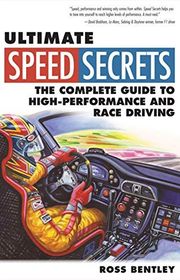
Ultimate Speed Secrets
For track-day drivers who want structured advice on technique and preparation. It gives you more practical guidance than the histories here, but applying the lessons requires seat time rather than reading alone.
What it's about
Ross Bentley explains performance driving through techniques, diagrams, and advice on mental preparation. The book covers racing lines, passing, adapting to different tracks, and other aspects of competition, helping drivers connect practice with clearer goals.

For Mustang enthusiasts who want an illustrated history of their favorite model. It gives one car more sustained attention than the broad surveys here, but its anniversary format leaves later developments outside its scope.
What it's about
Donald Farr traces the Ford Mustang’s first fifty years in an illustrated history created for its anniversary. The book celebrates the development and continuing legacy of the car, examining its place in American automotive culture.

Speed Read Supercar
The History, Technology and Design Behind the World’s Most Exciting Cars
For newcomers who want an accessible introduction to supercar design and engineering. Short sections make the technical ideas easier to approach than a specialist reference, but the format limits how deeply each subject is explored.
What it's about
Basem Wasef introduces supercars through their history, engineering, design, and influential creators. Short sections, illustrations, glossaries, and historical sidebars explain how these high-performance vehicles evolved and the decisions behind their distinctive technology and appearance.

For Porsche enthusiasts who enjoy tracking small changes between generations. Its model-by-model organization makes it more useful for comparison than a racing memoir, though readers seeking a continuous story may find the detail tiring.
What it's about
Randy Leffingwell surveys the Porsche 911 year by year, from early prototypes through the 992 generation. Photographs, historical material, and technical tables document production models, racing cars, and limited editions, tracing the shift from air-cooled to water-cooled designs.

For readers interested in how a car company comes together and unravels. Sutton’s employee perspective adds production-side detail, but it remains an insider account of one troubled business rather than a wider industry history.
What it's about
Former company employee Nick Sutton recounts the story behind the DeLorean DMC-12. His insider account explores the people and circumstances surrounding the car’s design and production, revealing lesser-known aspects of the company’s troubled history.

For readers who want to browse automotive history through pictures and short profiles. Its wide view makes it easier to compare eras than the marque-specific books here, but individual cars receive limited depth.
What it's about
This visual history traces the automobile’s development through landmark cars, manufacturers, and designers. Photographs, profiles, and specifications explore changing technology and styling, from early motor vehicles and classic models to supercars and racing machines.
Sources
- 1
Petrol Pages: 10 Essential Automotive Books
gearpatrol.com
- 2
Great Car Books to Read Now That You Have Time
motortrend.com
- 3
Automotive Books
goodreads.com
- 4
Automotive History Books Every Gearhead Should Read (in no particular order)
automotivehistory.org
- 5
100 Best Automotive Books of All Time
shortform.com
- 6
What are the essential car books?
reddit.com
- 7
Our Favorite Books for Automotive Enthusiasts
roadandtrack.com
- 8
From Racing to Rock & Roll: Best Car Books For Your Reading Pleasure (2025)
automoblog.com





Edited by
Software engineer whose passion for tracking book recommendations from podcasts inspired the creation of MRB.
Lead investor at 3one4 Capital whose startup expertise and love for books helped shape MRB and its growth.
Comments
Spotted a missing book, a wrong order or a mistake? Tell us and we'll fix this page.
We're a reading guide, not the author or publisher, so we can't send books or pass on messages.