
Women Of Genesis Books in Order
Part ofOrson Scott Card Books in OrderRead Women of Genesis by Orson Scott Card in order, with summaries and background on Sarah, Rebekah, Rachel and Leah and their connected family stories.
Last updated:
As an Amazon Associate, we earn from qualifying purchases (at no extra cost to you).
Women Of Genesis books in publication order
3 books
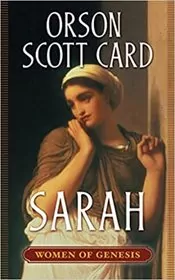
Sarah
by Orson Scott Card
2000
Raised in Ur with a future as a priestess, Sarai encounters Abram and chooses a different destiny. This fictional account of Sarah's life explores her marriage, childlessness and changing faith within the world of biblical Genesis.
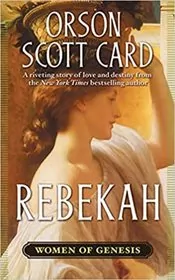
Rebekah
by Orson Scott Card
2001
Headstrong, motherless Rebekah marries Isaac and enters a family shaped by religious commitments and longstanding rivalries. As divisions between Isaac and Ishmael give way to conflicts involving Jacob and Esau, she struggles to understand her role.
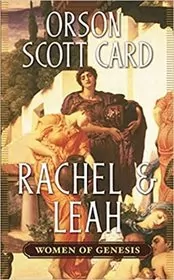
Rachel & Leah
by Orson Scott Card
2004
When Jacob arrives after fleeing Esau, sisters Rachel and Leah see very different possibilities in him. Leah quietly loves the man who favors her beautiful sister, while their family's arrangements complicate courtship, loyalty and hopes for marriage.
Series background & context
Women of Genesis is Orson Scott Card's series of biblical novels centered on the women in the families of Abraham, Isaac and Jacob. Rather than treating them only as figures supporting the patriarchs' stories, the novels imagine their individual hopes, relationships and difficulties. The familiar religious framework supplies the larger setting, while family life provides the immediate problems through which faith and commitment are tested.
Sarah begins with Sarai as a young girl encountering Abram. Their connection develops into a marriage that requires her to leave familiar expectations behind and enter an uncertain life. Card follows a woman whose resourcefulness matters in a world where her formal power is limited. The relationship brings affection and a shared religious purpose, but also danger and demands that cannot be understood simply by knowing what others expect her to become.
The larger story passes through private decisions.
Rebekah moves to the next generation, following a young woman leaving her father's home to marry Isaac. She hopes for a marriage grounded in faith, then has to find her place in a family already shaped by difficult relationships. Rivalries between Isaac and Ishmael, and later between Jacob and Esau, make her responsibilities complicated. Loving members of the same household doesn't ensure that their interests or judgments agree, and Rebekah must make choices within that tension.
Rachel and Leah widens the focus to several women in Laban's household. Leah and Rachel experience the same family from very different positions, with the older sister's limitations contrasting with the attention given to the younger. Bilhah and Zilpah also have hopes that exceed the roles available to them. Jacob's arrival gives their existing relationships a new source of strain, bringing desire, ambition and expectations about the family's future into close contact.
The desert homes, journeys and households matter because the characters cannot separate personal feeling from the practical arrangements of their world. Marriage changes where a woman lives, what responsibilities she carries and how much influence she may exercise. Religious belief is part of those decisions, rather than something confined to formal occasions. The novels build imagined conversations and motives around biblical material, so the reading experience combines familiar names with the closer perspective of historical fiction.
Begin with Sarah, continue with Rebekah, and then read Rachel and Leah. Following the generations in that order makes the family connections and inherited expectations easier to see. The tone is biblical family fiction, with attention to rivalry, loyalty and the difficulty of acting well toward people one loves. Each central woman has a place in a larger religious narrative, but the series approaches that place through the daily effort of understanding other people and deciding what faith asks of her own life.






Edited by
Software engineer whose passion for tracking book recommendations from podcasts inspired the creation of MRB.
Lead investor at 3one4 Capital whose startup expertise and love for books helped shape MRB and its growth.
Comments
Spotted a missing book, a wrong order or a mistake? Tell us and we'll fix this page.
We're a reading guide, not the author or publisher, so we can't send books or pass on messages.