
William Styron Books in Order
Explore William Styron books in order with short summaries, background notes, and where to start, plus a guide to his major novels and nonfiction.
Last updated:
As an Amazon Associate, we earn from qualifying purchases (at no extra cost to you).
William Styron books in publication order
18 books
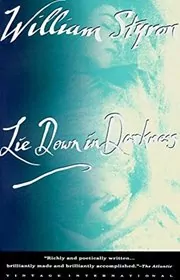
Lie Down in Darkness
by William Styron
1951
The Loftis family in Virginia is torn by infidelity, resentment, and frustrated affection. Centered on daughter Peyton's funeral, the novel revisits the relationships and emotional wounds that shaped her life and divided her parents.
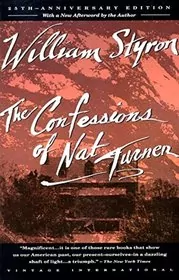
The Confessions of Nat Turner
by William Styron
1951
Awaiting execution, enslaved preacher Nat Turner recounts his life and the Virginia rebellion he led in 1831. This fictional account explores religious conviction, bondage, humiliation, and the forces that drove him toward violent revolt.
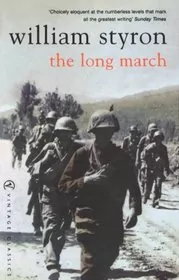
The Long March
by William Styron
1952
Two Marine reservists struggle through an exhausting training march ordered by a domineering colonel. Their efforts to preserve personal dignity bring them into conflict with military authority and a system demanding obedience at any cost.

Set This House On Fire
by William Styron
1960
After meeting his friend Mason Flagg in an Italian village, Peter Leverett learns that Mason is dead. Reconstructing the preceding violence draws him toward the troubled painter Cass Kinsolving and questions about evil and responsibility.

In the Clap Shack
by William Styron
1973
Young Marine Wally Magruder enters a Navy hospital with a severe diagnosis of syphilis. As he and fellow patients resist a domineering doctor, the ward becomes a battleground over military authority, personal dignity, and the freedom illness threatens.
Shadrach
by William Styron
1979
During the Depression, an elderly Black man returns to the Virginia plantation where he was born enslaved, hoping to die there. His arrival confronts the impoverished Dabney family with their history and lingering racial prejudices.
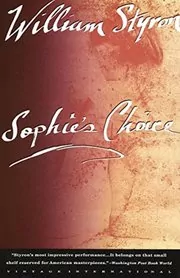
Sophie's Choice
by William Styron
1979
An aspiring Southern writer enters the lives of Sophie, a Polish Holocaust survivor, and her unstable lover Nathan in postwar Brooklyn. Their turbulent relationship draws him toward the devastating experiences Sophie struggles to confront.
Inheritance of Night
by William Styron
1980
Facsimiles of William Styron's early attempts at the novel that became Lie Down in Darkness reveal its development. Abandoned beginnings expose experiments with narrative voice, character, and structure before he found the finished book's form.

This Quiet Dust
by William Styron
1982
Styron’s essays confront moral questions through history, politics, and literature. Accounts of Nat Turner, Auschwitz, Vietnam, and the upheavals of 1968 sit alongside assessments of fellow writers, linking public events with his deeply personal engagement as a novelist.

Mr Jefferson and our times
by William Styron
1984
In this short essay, William Styron considers how Thomas Jefferson might respond to America in the late twentieth century. The imagined encounter places a founding figure's perspective alongside the country that developed after his lifetime.
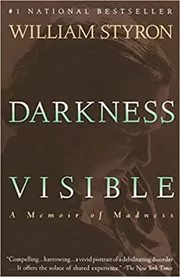
Darkness Visible
by William Styron
1990
William Styron describes the depression that overwhelmed him, tracing its effects on thought, daily life, and his sense of survival. This personal memoir examines an experience he found difficult to communicate and his movement toward recovery.

A Tidewater Morning
by William Styron
1993
A man recalls three episodes from his youth in coastal Virginia. Through encounters with death, racism, loss, and war, Styron’s linked stories examine formative experiences whose emotional force remains vivid long after childhood and early adulthood have passed.

Fathers and Daughters
by William Styron
1994
Mariana Cook's photographs portray sixty fathers with their daughters, accompanied by reflections written by the subjects. With an introduction by William Styron, the collection explores affection, distance, tension, and connection across generations and differing lives.

Havanas in Camelot
by William Styron
2008
Fourteen personal essays recall William Styron's friendships, military experiences, and everyday life. Encounters with John F. Kennedy and fellow writers appear alongside reflections on places, reading, movies, and walks with his dog in this autobiographical collection.
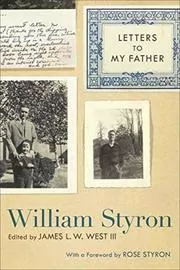
Letters to My Father
by William Styron
2009
William Styron's correspondence with his father follows his years as a student, Marine, and emerging novelist from 1943 to 1953. The letters reveal literary ambitions, personal uncertainty, works in progress, and a close family relationship.
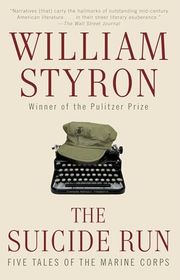
The Suicide Run
by William Styron
2009
Five narratives draw on Styron’s experience in the Marine Corps during World War II and the Korean War. Military imprisonment, renewed conscription, fear of combat, and difficult returns to civilian life expose the absurdity and lasting costs of service.

Selected Letters of William Styron
by William Styron
2012
Edited by Rose Styron and R. Blakeslee Gilpin, this collection follows William Styron's correspondence across his life and literary career. Letters illuminate friendships, public events, private concerns, and his reflections on the practice of writing.
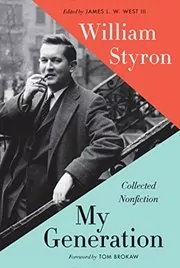
My Generation
by William Styron
2015
This collection gathers fifty years of William Styron's nonfiction, including essays, memoirs, reviews, speeches, and tributes. Its subjects range from childhood and military service to depression, fellow writers, racial history, and the origins of his novels.
Where to start with William Styron
For a short personal memoir: Darkness Visible
For his first novel: Lie Down in Darkness
For postwar Brooklyn and the weight of the past: Sophie's Choice
For his Pulitzer-winning historical novel: The Confessions of Nat Turner
For essays across his career: My Generation
Standalone William Styron books
Author bio
William Styron wrote novels and essays that return to guilt, suffering and the difficulty of understanding another person's inner life. A native of Virginia's Tidewater region, he graduated from Duke University and served in the US Marine Corps. His Southern background remained one of the foundations of his fiction.
Lie Down in Darkness was his first full-length novel.
Published in 1951, it examines destructive relationships within a Southern family. Rather than offering a gentle portrait of home, it puts resentment, failed affection and betrayal at the center. That interest in what people do to one another continued across very different settings in his later books.
The Confessions of Nat Turner, published in 1967, is a fictional treatment of the 1831 slave rebellion. It won the Pulitzer Prize for Fiction in 1968. Readers should approach it as Styron's imaginative interpretation of history, with the novelist's choices shaping the voice and the story.
Sophie's Choice moves to postwar Brooklyn.
An aspiring Southern writer, Stingo, enters the lives of Sophie and Nathan, whose relationship is burdened by secrets and the effects of the past. The novel's emotional force depends on the gradual discovery of experiences the characters cannot easily explain or escape. It won the National Book Award for hardcover fiction in 1980 and became a film in 1982.
For a shorter, directly autobiographical introduction, Darkness Visible recounts Styron's experience of severe depression and recovery. It gives readers his own account of suffering that was difficult to describe, rather than filtering it through a fictional character. The memoir is a distinct entry point for those who aren't ready to begin with one of the longer novels.
Styron also wrote essays, reviews, speeches and correspondence. My Generation gathers nonfiction across his working life, while Selected Letters of William Styron opens another view of his friendships and writing concerns. These collections complement the novels by making room for his public voice and private exchanges.
He lived with his wife, the poet and activist Rose Styron, in Roxbury, Connecticut, and Vineyard Haven, Massachusetts. He died in 2006. His principal novels stand independently, so a reader can choose the Southern family story, historical fiction or memoir without following a series.









Edited by
Software engineer whose passion for tracking book recommendations from podcasts inspired the creation of MRB.
Lead investor at 3one4 Capital whose startup expertise and love for books helped shape MRB and its growth.
Comments
Spotted a missing book, a wrong order or a mistake? Tell us and we'll fix this page.
We're a reading guide, not the author or publisher, so we can't send books or pass on messages.