
Kurt Vonnegut Books in Order
See all Kurt Vonnegut books in order, with brief summaries, background notes, a friendly author bio, and clear suggestions on the best books to start with.
Last updated:
As an Amazon Associate, we earn from qualifying purchases (at no extra cost to you).
Kurt Vonnegut books in publication order
59 books
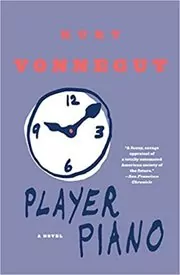
Player Piano
by Kurt Vonnegut
1952
In a near future America where machines do nearly all the work, engineer Paul Proteus enjoys elite status while the displaced majority languishes in company housing. Torn between comfort and conscience, he drifts toward a half serious rebellion that exposes how automation can hollow out purpose as well as jobs.
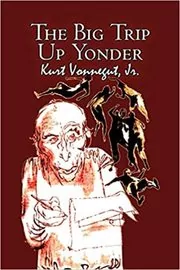
The Big Trip Up Yonder
by Kurt Vonnegut
1954
In a future where an anti aging drug has kept people alive for more than a century, several generations of the same family cram into one tiny apartment. When the patriarch hints he might finally die, simmering tensions over space, inheritance, and obligation erupt in absurd fashion.
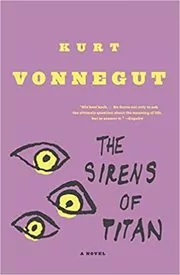
The Sirens of Titan
by Kurt Vonnegut
1959
Malachi Constant, the richest man in America, is swept into a cosmic storyline involving a chrono synclastic infundibulum, a Martian army, and a stranded alien messenger on Titan. This far ranging satire turns questions about free will and the purpose of history into a strange interplanetary adventure.
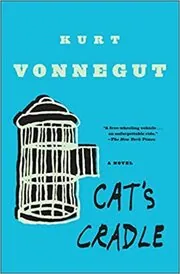
Cat's Cradle
by Kurt Vonnegut
1960
A writer researching the day the atomic bomb fell is drawn into the strange legacy of scientist Felix Hoenikker and his deadly invention, ice nine. The trail leads to a Caribbean island, an outlaw religion, and an apocalyptic joke about science, faith, and human folly.
Recommended by
1 person Ev Williams recommended this book
Ev Williams
On the "books read" section of Ev Williams' GoodReads profile.
Ev Williams's recommendation of this book
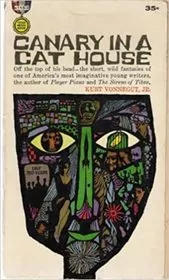
Canary in a Cat House
by Kurt Vonnegut
1961
Vonnegut's first short story collection brings together twelve magazine pieces about soldiers, scientists, and uneasy postwar families. The tales mix light science fiction ideas with sharply drawn everyday troubles, showing him learning how to balance wild concepts with recognizable human behavior.
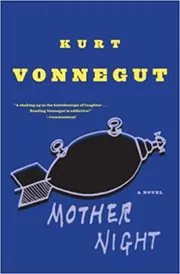
Mother Night
by Kurt Vonnegut
1961
Told as the prison memoirs of Howard W. Campbell Jr., an American who became a notorious Nazi broadcaster and secret Allied spy, this novel probes how far a person can hide behind a role. It is a dark, uneasy story about guilt, self deception, and responsibility.
Recommended by
1 person Derek Sivers recommended this book
Derek Sivers
Derek Sivers recommended this book in the "Tools of Titans" book.
Derek Sivers's recommendation of this book
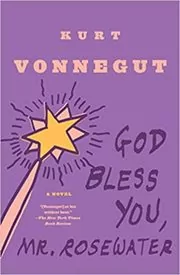
God Bless You, Mr. Rosewater
by Kurt Vonnegut
1965
Millionaire Eliot Rosewater moves to a run down Indiana town and starts giving away his fortune to anyone who asks, horrifying his family and delighting the people he helps. As a greedy lawyer schemes to prove him insane, the book skewers wealth, charity, and American notions of success.
2BR02B
by Kurt Vonnegut
1968
Set in a future where births are allowed only when someone volunteers to die, this story follows a desperate father facing an impossible arithmetic. It is a compact, grimly funny fable about population control, bureaucracy, and the price of a "perfect" society.
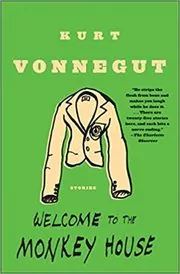
Welcome to the Monkey House
by Kurt Vonnegut
1968
This collection gathers some of Vonnegut's best known short stories, including the title tale about state enforced numbness and the classic "Harrison Bergeron." The pieces roam from science fiction to small town realism, always circling questions of freedom, dignity, and what makes a life meaningful.
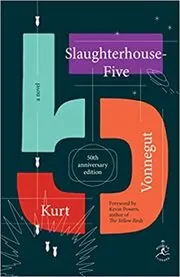
Slaughterhouse-Five
by Kurt Vonnegut
1969
Billy Pilgrim becomes "unstuck in time," flashing between his boyhood, his World War II captivity in Dresden, his suburban American life, and an alien zoo on Tralfamadore. The novel blends trauma, absurdity, and fatalism into a fierce, strangely tender anti war story.
Recommended by
3 people Alexis Ohanian recommended this book
Alexis Ohanian
"ONE OF MY FAVORITE BOOKS." - Alexis Ohanian
Alexis Ohanian's recommendation of this book  Ryan Shea recommended this book
Ryan Shea
Ryan Shea recommended this book on his website.
Ryan Shea's recommendation of this book  Jack Edwards recommended this book
Jack Edwards
"About [the author's] own experience of being a prisoner of war in Dresden." - Jack Edwards
Jack Edwards's recommendation of this book
Who Am I This Time? For Romeos and Juliets
by Kurt Vonnegut
1970
Based on Vonnegut's beloved story about shy hardware clerk Harry Nash and newcomer Helene Shaw, this stage piece follows two people who can only express their feelings while acting in a community theater production. It is a gentle, funny look at love, performance, and small town amateur dramatics.
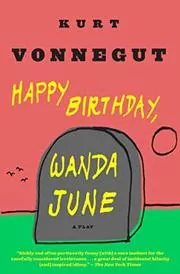
Happy Birthday, Wanda June
by Kurt Vonnegut
1971
In this darkly comic play, big game hunter and war hero Harold Ryan returns home after years of being presumed dead, only to find his family and country have changed. The play skewers macho heroism, violence, and American myths through sharp dialogue and surreal scenes set both on Earth and in a chatty afterlife.
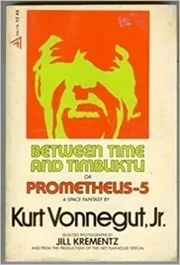
Between Time and Timbuktu
by Kurt Vonnegut
1972
Written to accompany a television special, this script sends young poet astronaut Stony Stevenson into a time space warp after he wins a cereal contest. His journey stitches together scenes and ideas from several Vonnegut works, turning them into a single, playful space fantasy.
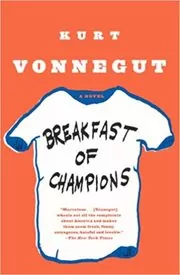
Breakfast of Champions
by Kurt Vonnegut
1973
Car dealer Dwayne Hoover is sliding into madness when he meets obscure science fiction writer Kilgore Trout at an arts festival in a dying midwestern town. Their collision, narrated by an intrusive author figure, becomes a chaotic send up of advertising, racism, free will, and the stories a country tells itself.
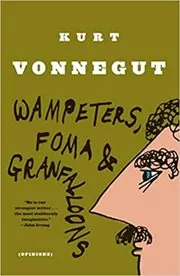
Wampeters, Foma and Granfalloons
by Kurt Vonnegut
1974
This grab bag of essays, speeches, travel pieces, and one short play shows Vonnegut thinking out loud about science fiction, politics, religion, and other writers. The tone ranges from outraged to goofy, offering a backstage tour of the mind behind the novels.
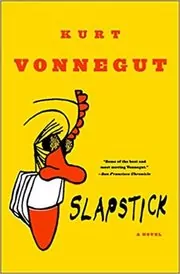
Slapstick, or Lonesome No More!
by Kurt Vonnegut
1976
Written as the memoir of aging President Wilbur Swain, this story follows freakish twins who are separated, a collapsing America, and a scheme to end loneliness by assigning everyone vast new families. It is a messy, mournful comedy about siblings, grief, and the human hunger for belonging.
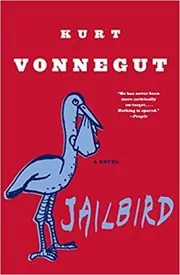
Jailbird
by Kurt Vonnegut
1979
Walter F. Starbuck, a minor figure in the Watergate scandal, leaves a minimum security prison and wanders through New York City, crossing paths with old comrades and enemies. His rambling memoir touches on labor history, corporate power, and the gap between political ideals and how people actually live.
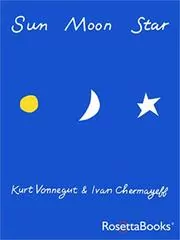
Sun, Moon, Star
by Kurt Vonnegut
1980
A brief, illustrated story of the Nativity told from the point of view of the newborn Jesus, this book describes the world as it first appears to him. Simple language and spare images turn a familiar tale into something strange, tender, and newly observed.
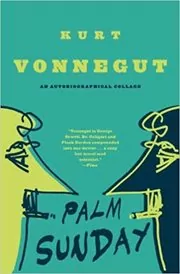
Palm Sunday
by Kurt Vonnegut
1981
Subtitled "An Autobiographical Collage," this collection gathers sermons, essays, letters, a self interview, and other odds and ends. Vonnegut grades his own books, revisits his Indiana family history, and muses about censorship, faith, and the uneasy task of being a writer in public.
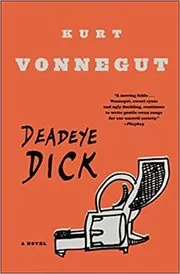
Deadeye Dick
by Kurt Vonnegut
1982
Rudy Waltz accidentally kills a pregnant woman with a high powered rifle when he is twelve and spends the rest of his life in the shadow of that act. Told in a flat, rueful voice, the book drifts through midwestern life, nuclear disaster, and the absurd weight of an unforgivable mistake.
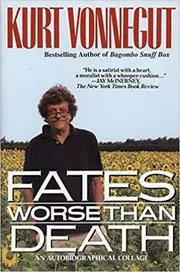
Fates Worse Than Death
by Kurt Vonnegut
1982
Built from speeches, essays, and reflections from the 1980s, this book continues the collage approach of *Palm Sunday*. Vonnegut writes about his upbringing, attempted suicide, politics, and art, mixing gallows humor with blunt talk about what he thinks has gone wrong in American life.
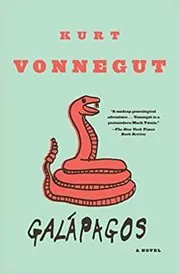
Galapagos
by Kurt Vonnegut
1985
Narrated by a ghost a million years in the future, this novel follows a misfit group of people stranded on a Galapagos island after a global collapse. Their descendants slowly evolve into sleek, seal like creatures, and Vonnegut uses the long view to poke fun at big brains and human self importance.
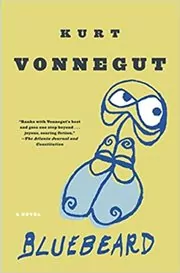
Bluebeard
by Kurt Vonnegut
1987
Retired abstract painter Rabo Karabekian is cajoled by an intrusive houseguest into writing his life story and revealing the secret locked in his potato barn. As he looks back on war, art, and lost loves, the novel becomes a wry meditation on failure, memory, and what counts as "real" painting.
Great World War II Stories
by Irwin Shaw, JG Ballard, Nevil Shute, Ewen Montagu, James Jones, W. Stanley Moss, James A. Michener, Richard Hillary, Kurt Vonnegut, Evelyn Waugh, Norman Mailer, Charles James Rolo, Bruce Marshall, Paul Brickhill, Graham Brooks, Cornelius Ryan, R. J. Minney, Lindsay Baly, P. R. Reed, Guy Gibson, Nella Last, Joseph Heller, Martha Gellhorn, Raymond Paull, H. E. Bates, Ronald Seth, John Prebble, Nancy Wake, F. J. Salfeld, John Steinbeck, Nicholas Monsarrat, R. L. Crimp, James Aldridge, Robert J. Casey & John Hersey
1989
An anthology of significant short fiction about World War II. Michener provides the introduction and selects stories that capture the global scale and human cost of the conflict.
Hocus Pocus
by Kurt Vonnegut
1990
Eugene Debs Hartke, a Vietnam veteran and college professor turned prison teacher, is accused of masterminding a massive breakout at a privately run prison. Jotting notes on scrap paper, he tells a fractured story about war, class, race, and a divided America obsessed with winning and losing.
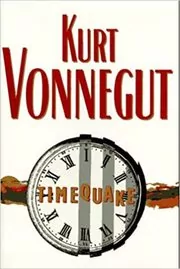
Timequake
by Kurt Vonnegut
1997
A cosmic glitch snaps the world back to 1991 and forces everyone to relive the next ten years exactly as before, without free will. When normal time resumes in 2001, only Kilgore Trout feels capable of rallying people out of their daze, while Vonnegut folds in memories, jokes, and laments about his own life.

Bagombo Snuff Box
by Kurt Vonnegut
1999
Here Vonnegut collects twenty three early short stories that once ran in mass market magazines. The pieces feature small town schemers, veterans, salesmen, and dreamers, offering a funny, sometimes sentimental portrait of postwar America and a glimpse of his developing style.
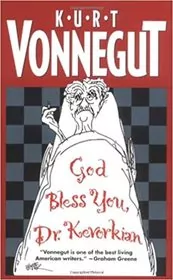
God Bless You, Dr. Kevorkian
by Kurt Vonnegut
1999
In a series of very short pieces framed as radio reports from the afterlife, Vonnegut makes "test" trips to the edge of death with the help of Dr. Jack Kevorkian. He uses his mock interviews with historical and fictional figures to joke, argue, and wonder about what lives are really for.
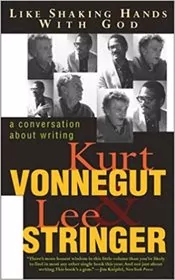
Like Shaking Hands with God
by Kurt Vonnegut
1999
This slim book transcribes two public conversations between Vonnegut and writer Lee Stringer about why they write and how they think about readers. The talk wanders from practical craft tips to stories of survival, treating writing as both hard work and a small everyday miracle.

Kurt Vonnegut on Mark Twain, Lincoln, Imperialist Wars and the Weather
by Kurt Vonnegut
2004
A brief collection that captures Vonnegut's spoken and written thoughts on Mark Twain, Abraham Lincoln, American wars, and even the climate. It highlights his habit of tying big historical figures and events back to basic questions of compassion, responsibility, and common sense.
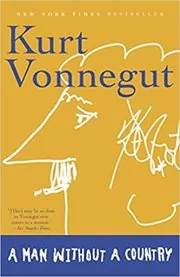
A Man Without a Country
by Kurt Vonnegut
2005
In these late life sketches, essays, and squibs, Vonnegut writes directly about politics, technology, aging, writing, and what he still loves about America. The tone swings from bitter to playful, but always comes back to basic decency, dark jokes, and the value of paying attention.
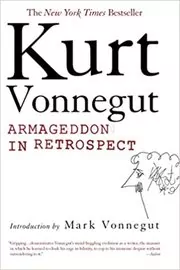
Armageddon in Retrospect
by Kurt Vonnegut
2008
Published after his death, this volume collects stories and essays about war, including a moving letter home describing the firebombing of Dresden. It mixes grim satire with firsthand testimony, offering a concentrated look at the experiences and convictions that shaped Vonnegut's anti war stance.

A Song for Selma
by Kurt Vonnegut
2009
At Lincoln High School, musical prodigy Alvin Schroeder abruptly quits while a seemingly dim classmate suddenly vows to apply himself and writes a song for shy Selma Ritter. Band director George Helmholtz soon learns that test scores and labels miss much of what matters in young people.

Confido
by Kurt Vonnegut
2009
A harried lab assistant brings home his invention, a pocket device that whispers a person's private thoughts aloud, promising confidence and clarity. As his family starts listening to the gadget instead of one another, the story shows how honesty without kindness can quietly wreck a life.

Ed Luby's Key Club
by Kurt Vonnegut
2009
On a night out at a flashy supper club in Ilium, a mild mannered husband is framed for murder in a place run by a former gangster. Trapped in a rigged legal system, he stumbles through a nightmare of small town corruption and manufactured guilt.

FUBAR
by Kurt Vonnegut
2009
Fuzz Littler, stranded in a forgotten corner of a giant industrial firm, spends his days answering odd letters no one else wants. When a lively new assistant arrives, her presence nudges him to see how far his life has drifted from what he once imagined.

Hall of Mirrors
by Kurt Vonnegut
2009
Two detectives visit a shabby mansion to question a hypnotist about missing wealthy widows and find themselves lured into his strange upstairs ballroom. Surrounded by floor length mirrors and unsettling suggestions, they discover how easily perception, memory, and even duty can be bent.

Hello, Red
by Kurt Vonnegut
2009
After nine years at sea, merchant sailor Red Mayo returns to his hometown to confront the man who married the only woman he ever loved. The visit becomes a bitterly funny standoff about pride, betrayal, and the small things people cling to when big dreams are gone.

King and Queen of the Universe
by Kurt Vonnegut
2009
During the Great Depression, two wealthy children meet a down on his luck man determined to impress his dying mother with a grand gesture of success. Their afternoon together quietly teaches them more about hardship, dignity, and make believe than their comfortable lives ever have.

Little Drops of Water
by Kurt Vonnegut
2009
A voice coach and ladies' man enjoys a perfectly managed bachelor routine until a former student he treated badly shows up at his door. By patiently exploiting his habits, she upends his life, in a story about vanity, revenge, and the grooves people wear for themselves.
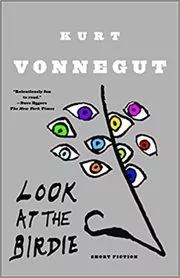
Look at the Birdie
by Kurt Vonnegut
2009
Published posthumously, this volume presents fourteen previously unseen short stories from Vonnegut's early career. They feature jealous spouses, misfit office workers, con artists, and small town scandals, already carrying his mix of sympathy, irony, and interest in the traps of everyday life.

Shout about It from the Housetops
by Kurt Vonnegut
2009
A traveling storm window salesman calls on a couple whose recent notoriety comes from the wife's scandalous best selling novel about their marriage. As he watches the fallout from total "honesty," he sees how public confession can destroy as much as it frees.

The Good Explainer
by Kurt Vonnegut
2009
Joe Cunningham travels to Chicago convinced a famous specialist will finally explain why he and his wife cannot have children. The doctor's blunt answer, and Joe's reaction, turn the visit into a sad little parable about expertise, hope, and the limits of explanation.

The Honor of a Newsboy
by Kurt Vonnegut
2009
In a small coastal town, a police chief investigates a waitress's murder and suspects a local bully with a menacing dog. The case hinges on whether a ten year old paperboy really delivered a missing newspaper, turning simple routine into a test of courage and trust.

The Nice Little People
by Kurt Vonnegut
2009
A linoleum salesman finds an oddly shaped knife on his way home and brings it into his already strained marriage. The strange object becomes a catalyst for suspicion and fantasy, pushing him to see his wife, and himself, in a darker, more dangerous light.

Kurt Vonnegut
by Kurt Vonnegut
2011
A concise critical study of Vonnegut's life and major works, this book sketches his path from Indianapolis childhood to literary prominence. It introduces recurring themes, characters, and techniques, offering a brief guide for readers who want context alongside the novels and stories.
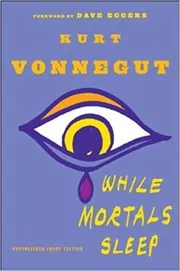
While Mortals Sleep
by Kurt Vonnegut
2011
Another posthumous collection, this book gathers mostly unpublished magazine era stories about salesmen, inventors, holiday contests, and stubborn dreamers. The pieces show how closely Vonnegut watched ordinary jobs and marriages, and how quickly he could turn a simple premise into a moral tangle.

Basic Training
by Kurt Vonnegut
2012
In this early novella, rebellious teenager Haley is sent to live on his uncle's tightly run farm, where life is organized like a military camp. The clash between youthful stubbornness and rigid discipline becomes a small scale comedy about power, obedience, and growing up.
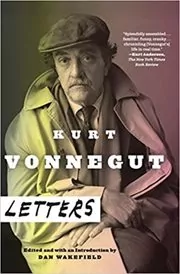
Letters
by Kurt Vonnegut
2012
This collection gathers Vonnegut's letters from his youth through his final years, including wartime dispatches, notes to editors, and cranky, funny exchanges with friends. Read together, they trace his development as a writer, father, and citizen in his own unpolished voice.
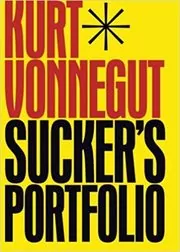
Sucker's Portfolio
by Kurt Vonnegut
2012
This late collection brings together several previously unpublished stories, an essay, and an unfinished tale. Businessmen, would be writers, and wanderers move through its pages, giving fans a last chance to see Vonnegut testing ideas and voices he never quite turned into full length work.
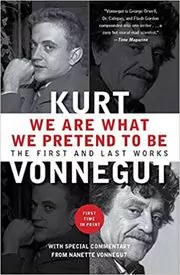
We Are What We Pretend To Be
by Kurt Vonnegut
2012
Framed by commentary from his daughter, this book pairs Vonnegut's early novella *Basic Training* with his final, unfinished project *If God Were Alive Today*. Together they show the span of his concerns, from rigid authority and teenage rebellion to stand up comedy at the end of the world.
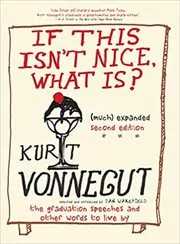
If This Isn't Nice What Is?
by Kurt Vonnegut
2013
Collecting commencement speeches and related pieces, this volume distills Vonnegut's favorite advice to young people. He talks about kindness, making art, staying skeptical, and noticing when life is quietly pleasant, all in the same conversational, sideways voice found in his fiction.

Vonnegut by the Dozen: Twelve Pieces by Kurt Vonnegut
by Kurt Vonnegut
2013
This collection gathers a dozen essays Vonnegut wrote for a political magazine between the late 1970s and 1990s. In them he rails against unnecessary wars, skewers American leaders, and defends basic humanist values with his usual mix of plain talk and sideways humor.

Sinbad
by Kurt Vonnegut
2016
In this short work, Vonnegut plays with the figure of Sinbad to explore dreams of escape and the stubborn pull of home. The tone is wry and reflective, more interested in the gap between adventure stories and real lives than in swashbuckling itself.

Slice of Life
by Kurt Vonnegut
2016
A brief piece that zooms in on one ordinary corner of everyday existence, this story lets Vonnegut find both absurdity and tenderness in a small, seemingly forgettable moment. It reads less like science fiction and more like a sharply observed character sketch.
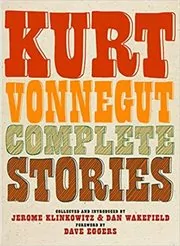
Complete Stories
by Kurt Vonnegut
2017
An extensive omnibus of Vonnegut's short fiction, this hefty book arranges nearly one hundred stories by theme, from war and work to romance and the future. It lets readers trace recurring characters and ideas across decades and see how his tone shifts from magazine pieces to later experiments.

Pity the Reader
by Kurt Vonnegut
2019
Co written with his former student Suzanne McConnell, this book gathers Vonnegut's advice about writing along with stories from his teaching and career. It treats craft as a form of kindness to readers, covering style, structure, persistence, and the odd pleasures of making things up.
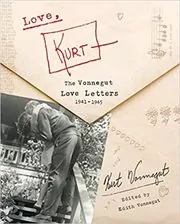
Love, Kurt
by Kurt Vonnegut
2020
This volume publishes hundreds of letters young Kurt wrote to Jane Cox, the woman who became his first wife, during the early 1940s. The notes mix goofy courtship, war reporting, and anxious daydreams about a writing career, offering an intimate portrait of the author before fame.

Slaughterhouse-Five, or the Children's Crusade
by Kurt Vonnegut
2020
This graphic novel adaptation of *Slaughterhouse-Five* uses bold artwork and careful pacing to reframe Billy Pilgrim's time shattered life and the bombing of Dresden. It stays close to the original's structure while giving new visual weight to its war scenes, aliens, and weary jokes.
Where to start with Kurt Vonnegut
If you are new to Kurt Vonnegut: Slaughterhouse-Five → Cat's Cradle → Breakfast of Champions
If you want more of his science fiction side: The Sirens of Titan → Player Piano → Galapagos
If you prefer grounded, character-focused novels: Mother Night → God Bless You, Mr. Rosewater → Bluebeard
If you are curious about his nonfiction and essays: Wampeters, Foma and Granfalloons → Palm Sunday → A Man Without a Country
If you want late-career reflections and war pieces: Timequake → Armageddon in Retrospect → We Are What We Pretend To Be.
Kurt Vonnegut collections, short stories, and related book types
Short Stories/Novellas
Short Story Collections
Non-Fiction Books
Biographies & Memoirs
Plays
Children's Books
Slaughter-House Five Books
The Last Interview Books
Standalone Kurt Vonnegut books

by Irwin Shaw, JG Ballard, Nevil Shute, Ewen Montagu, James Jones, W. Stanley Moss, James A. Michener, Richard Hillary, Kurt Vonnegut, Evelyn Waugh, Norman Mailer, Charles James Rolo, Bruce Marshall, Paul Brickhill, Graham Brooks, Cornelius Ryan, R. J. Minney, Lindsay Baly, P. R. Reed, Guy Gibson, Nella Last, Joseph Heller, Martha Gellhorn, Raymond Paull, H. E. Bates, Ronald Seth, John Prebble, Nancy Wake, F. J. Salfeld, John Steinbeck, Nicholas Monsarrat, R. L. Crimp, James Aldridge, Robert J. Casey & John Hersey
1989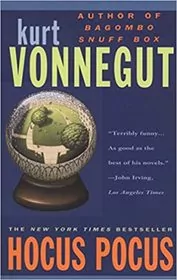
Author bio
Kurt Vonnegut grew up in Indianapolis, Indiana, the youngest child in a German American family of architects and hardware merchants. He liked to say he came from people who built things, then spent his life making jokes and stories instead.
At Shortridge High School he worked on The Daily Echo, one of the first daily papers run by a public school. Writing fast, clear copy for classmates turned out to be good training. He carried that plainspoken newspaper style into almost everything he later published.
Vonnegut studied at Cornell University in the early 1940s, officially majoring in biochemistry while pouring most of his energy into the student paper, the Cornell Daily Sun. When the Second World War deepened, he left college, joined the US Army, and was eventually captured during the Battle of the Bulge.
As a prisoner of war in Dresden he survived the Allied firebombing while locked in an underground meat locker of a slaughterhouse. Cleaning up the ruins afterward, he saw devastation that stayed with him for the rest of his life. Decades later he would turn those memories into his best known novel, Slaughterhouse-Five.
After the war Vonnegut married his childhood friend Jane Cox, went back to school on the GI Bill, and studied anthropology at the University of Chicago. He worked nights as a reporter and then as a public relations writer for General Electric, interviewing scientists and turning complicated research into short, readable pieces. That job fed directly into his first novel, Player Piano, a story about engineers, machines, and workers whose jobs have vanished.
In the 1950s he quit corporate life and wrote wherever he could, from Cape Cod kitchens to a failed Saab dealership office. He sold short stories to magazines to support a growing family, then began publishing the novels that would make his name: The Sirens of Titan, Mother Night, Cat's Cradle, and God Bless You, Mr. Rosewater. They mixed science fiction settings with very human worries about loneliness, greed, and the urge to belong.
The success of Slaughterhouse-Five in 1969 turned him into a major public figure. He taught at the Iowa Writers Workshop and other schools, gave lectures and graduation speeches, and kept experimenting with form in books like Breakfast of Champions, Slapstick, Jailbird, Galápagos, Bluebeard, Hocus Pocus, and Timequake. Recurring characters such as down on his luck science fiction writer Kilgore Trout wandered in and out of these stories.
Across all of his work, Vonnegut returned to a handful of fixations: the cruelty of war, the fragility of free will, the way technology can shrink or enlarge our sense of purpose, and the small kindnesses that make life bearable. He wrote as an unapologetic humanist, skeptical of big systems and heroic myths, but deeply interested in how ordinary people try to live decent lives inside them.
In later collections like Wampeters, Foma and Granfalloons, Palm Sunday, Fates Worse Than Death, and A Man Without a Country, he wrote more directly as himself, blending memoir, commentary, and stand up style jokes. His graduation talks, later gathered in If This Isn't Nice What Is?, turned simple advice about paying attention, making art, and being kind into something many readers still pass around.
Vonnegut spent much of his adult life on Cape Cod and in New York City, raising a large blended family, drawing, painting, and speaking out against censorship and unnecessary wars. He died in 2007, but his short sentences, oddball structures, and mix of heartbreak and deadpan humor continue to make new readers feel as if he is talking directly to them.








Edited by
Software engineer whose passion for tracking book recommendations from podcasts inspired the creation of MRB.
Lead investor at 3one4 Capital whose startup expertise and love for books helped shape MRB and its growth.
Comments
Did we miss something? Have feedback?
Help us improve this page by sharing your thoughts