
Wendell Berry Books in Order
Browse Wendell Berry’s books in order with quick summaries, reading tips, and where to start, plus guides to Port William fiction, essays, and poems.
Last updated:
As an Amazon Associate, we earn from qualifying purchases (at no extra cost to you).
Wendell Berry books in publication order
103 books
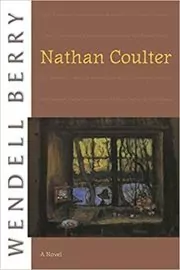
Nathan Coulter
by Wendell Berry
1960
A coming-of-age novel set in the rural community of Port William. Young Nathan grows up on a Kentucky farm, shaped by family ties, hard work, and the shadow of war as he learns what it means to belong.
Broken Ground
by Wendell Berry
1964
Berry’s first major poetry collection, rooted in farm work, weather, and daily decisions. These early poems watch closely, finding meaning in ordinary labor and in the natural world that surrounds it.
November Twenty Six Nineteen Hundred Sixty Three
by Wendell Berry
1964
A long poem meditating on November 22, 1963 and the shock that followed President John F. Kennedy’s assassination. Berry sets public grief against the steady life of a small place, asking what violence does to memory and community.
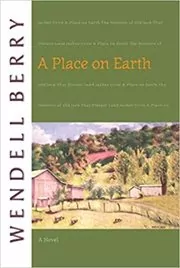
A Place on Earth
by Wendell Berry
1966
Set in Port William during World War II, this novel follows the Feltner family and their neighbors as the war reaches into farm life. It’s a community portrait of love, grief, and the work that keeps people going.
The Long-Legged House
by Wendell Berry
1966
Essays rooted in Berry’s return to Kentucky and the day-to-day realities of farming. He writes about place, labor, and language, always circling back to the question of how to live responsibly in a household and a landscape.
Openings
by Wendell Berry
1968
An early collection of poems that balances plain speech with careful attention to seasons, marriage, and work. It introduces themes that run through Berry’s career: fidelity to place and the search for wholeness.
The Rise
by Wendell Berry
1968
A short essay that follows a flood and the rising of water as a way to think about nature’s power and human vulnerability. Berry turns a local event into a lesson in humility, stewardship, and attention.

Findings
by Wendell Berry
1969
Essays that blend personal experience with cultural critique, from farming and rural life to education and community. Berry writes as a working farmer and neighbor, looking for ways to live with integrity in a modern economy.
Farming
by Wendell Berry
1970
A book-length sequence that treats farming as skilled work and moral practice. Mixing poetry and plainspoken instruction, Berry writes from the field and the barn about labor, memory, and care for land.
The Hidden Wound
by Wendell Berry
1970
A searching essay about race in America, written from the perspective of a white Kentuckian reckoning with history and inheritance. Berry argues that healing requires honest memory and real commitment to shared community.
The Unforeseen Wilderness
by Wendell Berry
1971
Poems paired with photographs of Kentucky’s Red River Gorge. Berry’s writing meets the images in a book that honors wild places and the feeling of walking through a landscape with care.
A Continuous Harmony
by Wendell Berry
1972
A set of essays linking the health of land to the health of culture. Berry writes about farming, craftsmanship, education, and the meaning of limits, always returning to the question of how a community holds together.
The Country of Marriage
by Wendell Berry
1973
Poems that circle around love, family life, and the pull of a home place. Berry moves between the domestic and the wild, showing how marriage and community are forms of daily work.
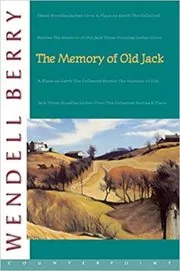
The Memory of Old Jack
by Wendell Berry
1974
An aging farmer in Port William looks back over his life, weighing friendships, regrets, and the demands of the land. A quietly powerful novel about memory, duty, and the slow shaping of character.
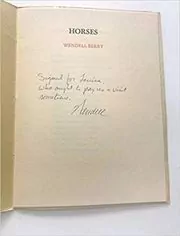
Horses
by Wendell Berry
1975
A brief chapbook poem that lingers on horses as working partners and as living presences. In a handful of pages, Berry turns observation into meditation on beauty, labor, and animal strength.

Kentucky River
by Wendell Berry
1975
A pair of poems that hold past and present together on the banks of the Kentucky River. Berry moves between early history and modern experience, using the river as a measure of time, memory, and change.
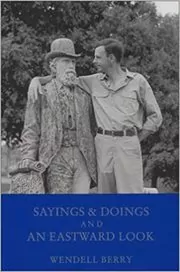
Sayings & Doings and an Eastward Look
by Wendell Berry
1975
Two connected books of poetry, brought together in one volume, that mix formal craft with plainspoken wisdom. Berry writes about work, travel, and spiritual orientation, testing what it means to speak truthfully about a life in place.
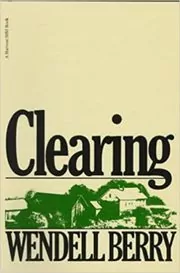
Clearing
by Wendell Berry
1977
A poetry collection about what is revealed when land is cleared, and what is lost. Berry’s poems attend to woods and fields, human work and natural cycles, asking how people can live without breaking what they depend on.
The Agricultural Crisis
by Wendell Berry
1977
A short, sharp essay arguing that the farm crisis is also a cultural crisis. Berry connects economic pressure to soil loss and community breakdown, insisting that the problem is bigger than prices and policies.
The Unsettling of America
by Wendell Berry
1977
Berry’s landmark critique of industrial agriculture and the loss of agrarian culture. He connects soil, economics, and community life, arguing that farming should respect land, people, and the long-term consequences of our choices.
The Salad
by Wendell Berry
1980
A small poetic work adapted from Pierre de Ronsard that turns a simple meal into a meditation on gratitude. Berry’s version keeps the focus on appetite, season, and the pleasure of careful attention.
Recollected Essays
by Wendell Berry
1981
A gathering of essays from Berry’s early decades, capturing the roots of his thinking on agriculture and community. Practical observation sits beside cultural critique, all grounded in the daily work of a working farm.
The Gift of Good Land
by Wendell Berry
1981
Essays on farming and rural life that argue for good husbandry, local knowledge, and the long view. Berry links soil health, economic choices, and community, showing how agriculture shapes culture.
Recommended by
1 person Michael Pollan recommended this book
Michael Pollan
"I’ve learned more from [this author] than anyone else about how best to engage with nature, and how to write a sturdy and pleasing English sentence." - Michael Pollan
Michael Pollan's recommendation of this book
Standing by Words
by Wendell Berry
1982
Essays about language, technology, and responsibility. Berry argues that words are commitments, not disposable tools, and he examines what happens when education and work lose touch with reality.
The Wheel
by Wendell Berry
1982
Elegiac poems that follow the cycle of life, death, and remembrance, often through family and the land. The collection asks what endures, and what must be carried forward, without sentimentality.
A Part
by Wendell Berry
1983
Poems that test what it means to be a part of a family, a community, and a landscape. Berry writes about marriage, parenthood, and farm work, insisting that belonging is both gift and obligation.
The Collected Poems
by Wendell Berry
1985
A broad gathering of Berry’s poems across decades, tracing the development of his voice and concerns. Themes of place, marriage, farming, and memory return again and again, deepening as the years move on.
Preserving Wildness
by Wendell Berry
1986
A short essay defending the value of wild places, not as scenery but as essential parts of a healthy world. Berry argues that preservation starts with humility, respect, and a willingness to leave some things alone.
The Wild Birds
by Wendell Berry
1986
Six linked stories set in and around Port William, connected through family ties and neighborly obligations. Berry shows how a community holds together through love, loss, and the everyday work of paying attention to others.

The Wild Rose
by Wendell Berry
1986
A slender poetry collection centered on the title poem, lingering over wildness, love, and surprise. Berry’s spare lines make room for wonder without turning it into sentiment.
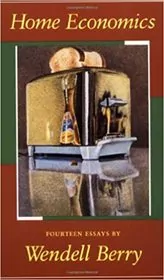
Home Economics
by Wendell Berry
1987
A collection of essays that treats “economics” as the management of a household and a landbase. Berry connects farming, work, and community life, asking what it means to live within limits and still live well.
Recommended by
1 person- Michael Pollan recommended this book
Michael Pollan
"I’ve learned more from [this author] than anyone else about how best to engage with nature, and how to write a sturdy and pleasing English sentence." - Michael Pollan
Michael Pollan's recommendation of this book

I Go From the Woods Into the Cleared Field
by Wendell Berry
1987
A short, meditative poem that moves from woods into field, from labor into rest. It captures the shift in attention that comes with stopping work and letting the world be more than a set of tasks.
Sabbaths
by Wendell Berry
1987
Sabbath poems written out of Sunday walks and the habit of laying work aside. These pieces hold faith, land, and daily gratitude in the same steady frame, attentive to small creatures and changing seasons.
The Landscape Of Harmony
by Wendell Berry
1987
Two essays that explore how people and places hold together over time. Berry writes about wildness, work, and community with a farmer’s eye for practical limits and a citizen’s concern for belonging.
Why I Am Not Going to Buy a Computer
by Wendell Berry
1987
A short, provocative essay that questions what we give up when we hand our work and attention over to machines. Berry argues for tools that fit human scale, local knowledge, and real accountability.
From the Heartlands
by Wendell Berry
1988
A photo-and-essay anthology focused on the American Midwest. Berry’s contribution joins other voices looking closely at rural places, farm work, and what changes when small communities are pushed to the margins.
Remembering
by Wendell Berry
1988
After a traumatic accident, Andy Catlett struggles with grief and anger and tries to find his way back to the life he knew. A Port William novel about recovery, memory, and the pressure of modern “progress.”
To Know the Dark
by Wendell Berry
1989
In this classic essay, Berry takes a nighttime walk in the woods and lets darkness do its work. He writes about fear, wonder, and humility, inviting readers to experience the natural world as real and mysterious.
Traveling at Home
by Wendell Berry
1989
A mixed volume that includes the long essay “A Walk Down Camp Branch” and a selection of poems. Berry treats walking as a form of study, showing how close attention to a local creek and hillside can be a kind of travel.
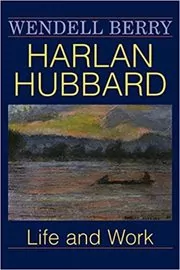
Harlan Hubbard
by Wendell Berry
1990
A portrait of Kentucky writer and artist Harlan Hubbard, shaped by Berry’s friendship and careful observation. Part biography, part meditation on craft, it considers simplicity, river life, and the discipline of making do.
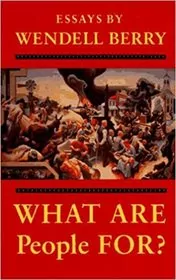
What Are People For?
by Wendell Berry
1990
Essays that ask what work is for, what communities owe their members, and how education and economics shape everyday life. Berry answers from the ground up, with farming, family, and local culture as the test.
Standing on Earth
by Wendell Berry
1991
A selected gathering of Berry’s essays on farming, economy, community, and language. It offers a wide view of his core concerns, especially the need for good work, local responsibility, and respect for limits.
The Discovery Of Kentucky
by Wendell Berry
1991
A short, standalone work that uses Kentucky’s early history to reflect on land and belonging. Berry turns the idea of “discovery” inside out, asking who gets to name a place and what is lost when it is claimed.
Fidelity
by Wendell Berry
1992
Five interlinked stories set in Port William, each testing what “fidelity” really means. Berry follows marriages, families, and neighbors through crisis and return, showing how loyalty is proved in ordinary days.

How Ptolemy Proudfoot Lost a Bet
by Wendell Berry
1992
A short Port William story in which Tol Proudfoot’s pride collides with a simple wager. Berry turns a small-town incident into a comic, clear-eyed look at stubbornness, friendship, and the cost of being wrong.
Sex, Economy, Freedom & Community
by Wendell Berry
1993
Essays that connect intimate life to public life, and private choices to the economy that surrounds them. Berry writes about marriage, freedom, and community, arguing that real liberty depends on limits and care.
Entries
by Wendell Berry
1994
Poems of remembrance and renewal, including sequences shaped by family history and loss. Berry writes with steadiness and restraint, letting attention to place and season carry the emotional weight.
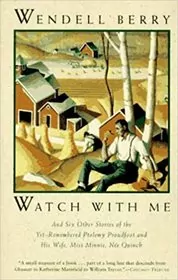
Watch With Me
by Wendell Berry
1994
A Port William collection built around a novella and several stories, centered on Tol Proudfoot and Miss Minnie. Berry writes about friendship, aging, and small-town life, where the deepest drama often happens offstage.
Another Turn of the Crank
by Wendell Berry
1995
Essays that return to agriculture, local economies, and the work of community, always with an eye on practical consequences. Berry examines how habits, technology, and markets shape the lives of people and places.
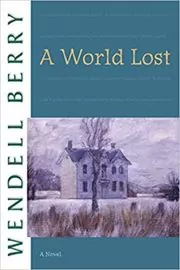
A World Lost
by Wendell Berry
1996
Andy Catlett looks back on a year of childhood during World War II, marked by love, grief, and a community’s daily work. A short, luminous Port William novel about what a boy learns when the world changes.
Three on Community
by Wendell Berry
1996
Three essays focused on the meaning of community and the responsibilities it creates. Berry argues that real community is rooted in place and work, and that a healthy economy should serve the common life.
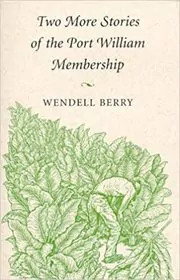
Two More Stories of the Port William Membership
by Wendell Berry
1997
Two linked Port William stories that deepen the web of families and neighbors at the heart of the series. Berry shows how small decisions, spoken words, and quiet kindnesses can echo for years.
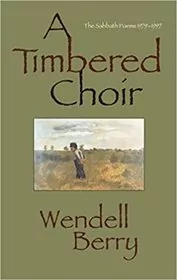
A Timbered Choir
by Wendell Berry
1998
Sabbath poems written during Sunday walks, gathered from nearly two decades. These poems are meditations on rest, gratitude, and the living world, attentive to birds, trees, weather, and human limits.

The Selected Poems
by Wendell Berry
1998
A selection of one hundred poems chosen from across Berry’s earlier work. It’s a clear introduction to his range, from farm labor and marriage to grief and praise, with attention to place at the center.
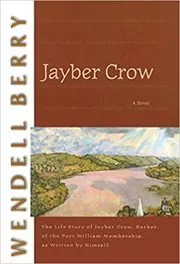
Jayber Crow
by Wendell Berry
2000
Jayber Crow, the barber of Port William, looks back on his life, friendships, and an enduring, complicated love. A quiet, funny, and tender novel about belonging, work, and the costs of change in a farm town.
Recommended by
1 person Russell Moore recommended this book
Russell Moore
Russell Moore recommended this book on Twitter.
Russell Moore's recommendation of this book
Life is a Miracle
by Wendell Berry
2000
A book-length argument against reducing life to what can be measured and controlled. Berry challenges technological and scientific overconfidence, defending mystery, humility, and the full complexity of living things.
Listening for God, Vol. 3
by John Updike, Tillie Olsen, Wendell Berry, John Cheever, Louise Erdrich, Mary Gordon, Tess Gallagher, Reynolds Price, Oscar Hijuelos, Paula J. Carlson & Peter S. Hawkins
2000
Coedited by Paula J. Carlson and Peter S. Hawkins, this reader uses selected American literature to support small-group exploration of Christian faith. Readings by writers including Louise Erdrich, John Cheever, and Tillie Olsen invite discussion of discipleship and theology.
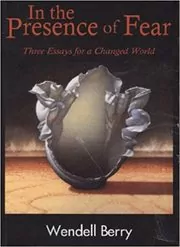
In the Presence of Fear
by Wendell Berry
2001
Three essays written in the shadow of 9/11, reflecting on fear, war, and public rhetoric. Berry asks what kind of country we become when we act from panic, and what forms of courage might look like instead.
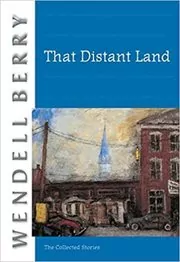
That Distant Land
by Wendell Berry
2002
A sweeping collection of Port William stories spanning decades, gathering Berry’s short fiction into one place. Read together, the stories build a rich community portrait, with recurring families, shared history, and overlapping lives.
The Art of the Commonplace
by Wendell Berry
2002
A wide-ranging essay collection that brings together Berry’s core nonfiction on farming, technology, and community. It’s a strong place to start if you want a broad sampling of his arguments and his style.
Citizenship Papers
by Wendell Berry
2003
Essays on citizenship that ask what it means to belong to a nation without losing touch with local responsibilities. Berry writes about democracy, war, economy, and land, urging readers to practice conscience as a public duty.
The Gift of Gravity
by Wendell Berry
2003
A selection of poems drawn from across Berry’s career. The range runs from farm work and marriage to grief and praise, offering a clear view of how his poetry keeps returning to place, time, and attention.
Hannah Coulter
by Wendell Berry
2004
Hannah Coulter tells the story of her life in Port William, through marriages, war, loss, and the long work of keeping a farm. A deeply personal novel about love, endurance, and what it means to stay.
Blessed are the Peacemakers
by Wendell Berry
2005
A brief book of reflections on peacemaking, shaped by Berry’s Christian convictions. He reads the call to love enemies and reject violence as practical guidance for modern life, not a sentimental ideal.
Given
by Wendell Berry
2005
New poems that continue Berry’s Sabbath practice and his attention to daily life. The poems move between gratitude and grief, finding moments of grace in ordinary work and in the nonhuman world.
The Way of Ignorance
by Wendell Berry
2005
Essays that argue for humility and restraint in public life, especially in an age of war and globalized economy. Berry questions easy certainty and urges readers to think from the ground up, starting with home places.
Andy Catlett
by Wendell Berry
2006
A short Port William novel narrated by Andy Catlett, remembering a childhood trip during Christmas 1943. It’s an intimate story about family, tradition, and the moment a boy starts to see how a world is changing.
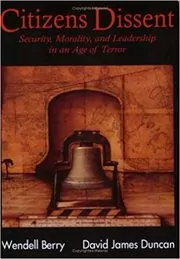
Citizens Dissent
by Wendell Berry
2006
A paired essay volume on security, morality, and leadership in an age of terror. Berry argues that dissent can be a form of citizenship, and he questions the moral compromises made in the name of safety.
Conversations with Wendell Berry
by Wendell Berry
2007
Interviews with Wendell Berry spanning their career, focused on key books, influences, and craft. A quick, candid way to hear the author in their own words.
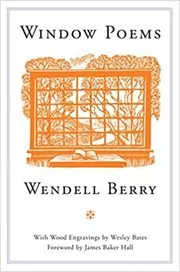
Window Poems
by Wendell Berry
2007
A slender volume of poems that turn everyday looking into a practice of attention. Berry works with small scenes, light, weather, and domestic life, showing how a “window” can open out into the larger world.
Stand By Me
by Wendell Berry
2008
A collection of eighteen stories set in Port William and nearby Hargrave, spanning more than a century of community life. Berry brings together earlier pieces into a single volume, where small decisions and long memories shape everything.
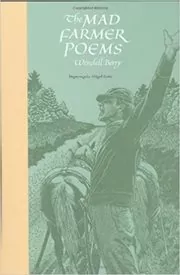
The Mad Farmer
by Wendell Berry
2008
A collection of the “Mad Farmer” poems, where Berry’s plainspoken wit meets blunt moral advice. These pieces challenge consumer culture and invite readers to choose patience, affection, and care for the world.
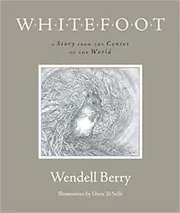
Whitefoot
by Wendell Berry
2008
A children’s story about a mouse named Whitefoot who is swept from her home by a sudden flood. Thrown into unfamiliar country, she has to use courage and quick wits to survive, with help from the world around her.
Bringing It to the Table
by Wendell Berry
2009
A wide-ranging set of essays on farming and food, from soil care and small farms to how we eat. Berry ties the table to the field, arguing that everyday choices carry moral and ecological weight.
Recommended by
1 person Samin Nosrat recommended this book
Samin Nosrat
"I always turn to [this author] for inspiration on food, community, agriculture, and well, just being a human." - Samin Nosrat
Samin Nosrat's recommendation of this book
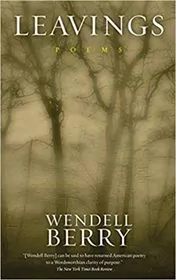
Leavings
by Wendell Berry
2009
Poems that gather what is left behind, memories, losses, and the small gifts that remain. Berry writes with steady attention to place and season, letting the natural world carry the weight of time.
Imagination in Place
by Wendell Berry
2010
A set of essays about how imagination is shaped by place and by the communities that form us. Berry explores local culture, education, politics, and the dangers of thinking about land as a commodity.
What Matters?
by Wendell Berry
2010
Essays about economy and the common good, asking what “matters” when money becomes the main measure. Berry argues for local, sustainable work and for communities that put people and land ahead of growth for its own sake.
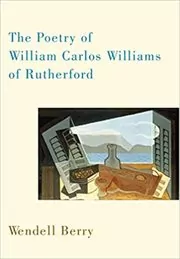
The Poetry of William Carlos Williams of Rutherford
by Wendell Berry
2011
Berry’s study of William Carlos Williams, focused on how Williams’s poetry grows out of a particular place and daily work. It’s criticism that also hints at Berry’s own beliefs about language, attention, and locality.
It All Turns on Affection
by Wendell Berry
2012
The text of Berry’s Jefferson Lecture alongside other essays. Across the book he argues that affection, for places, people, and the living world, is not soft feeling but a moral force that should shape public life.
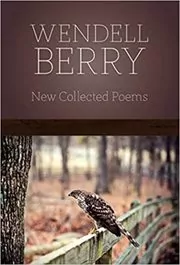
New Collected Poems
by Wendell Berry
2012
A major gathering of poems from across Berry’s career, including many Sabbath poems. It’s both a retrospective and an entry point, showing how his poetry returns to love, land, memory, and praise.
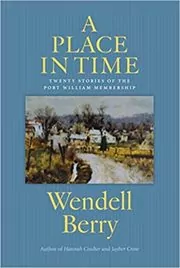
A Place in Time
by Wendell Berry
2013
Twenty Port William stories arranged as a set of vivid community portraits. The collection moves through different voices and moments, building a sense of how a place is made, and remade, by the lives within it.
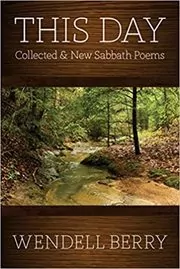
This Day
by Wendell Berry
2013
A large gathering of Berry’s Sabbath poems, plus newer work, shaped by decades of Sunday walks. These poems practice rest and attention, moving through seasons, grief, gratitude, and the persistence of wild life.
Distant Neighbors
by Wendell Berry
2014
A selection of letters between Wendell Berry and Gary Snyder, spanning friendship and shared concerns. The correspondence ranges across land, work, writing, and public life, showing two writers thinking together over time.
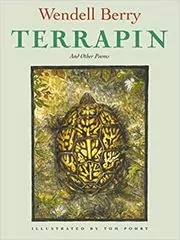
Terrapin
by Wendell Berry
2014
A poetry collection that gathers Berry’s work for younger readers, including the long poem “Terrapin.” With vivid images of animals and rural life, it invites children into a world where attention and wonder are skills.
Our Only World
by Wendell Berry
2015
Ten essays that return to Berry’s core subjects, the health of land and communities, the meaning of work, and the costs of a careless economy. Clear and wide-ranging, it works well as a compact introduction to his later nonfiction.
Plough Quarterly No. 4: Earth
by Bill McKibben, Eugene H. Peterson, N. T. Wright, Elizabeth Lev, Calvin DeWitt, Jane Tyson Clement, Wendell Berry, Barbara Kingsolver, John Reid Muir, Flannery O'Connor, Pope John Paul II & Peter Mommsen
2015
The fourth issue of Plough Quarterly considers how faith can shape care for the natural world. Essays, stories, art, interviews, and other pieces from scientists, farmers, writers, and artists examine environmental responsibility, agriculture, creation, and human relationships with the earth.
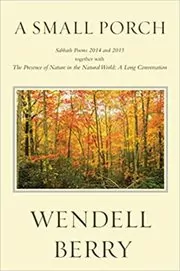
A Small Porch
by Wendell Berry
2016
Sabbath poems from 2014 and 2015, written out of the practice of stopping work and walking. The poems are quiet, observant, and grateful, tuned to weather, birds, trees, and human limits.
Roots to the Earth
by Wendell Berry
2016
A portfolio-like collection of poems and a story, paired with wood engravings. Berry’s pieces honor craft, land, and community life, showing how art and work can be rooted in the same attention.
A Conversation Between Wendell Berry and Wes Jackson
by Wendell Berry
2017
A book-length conversation between Berry and farmer-activist Wes Jackson about agriculture, land, and culture. They compare notes on what a sustainable food system requires, and what kinds of communities can support it.
The World-Ending Fire
by Wendell Berry
2017
A curated selection of Berry’s nonfiction, chosen to introduce his core arguments about land, economy, and community. The pieces span decades, making it a strong sampler if you want the essentials in one volume.
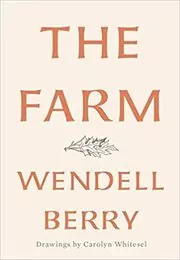
The Farm
by Wendell Berry
2018
A long poem that follows a farm through its seasons and daily work, celebrating the practical art of keeping land alive. Berry writes about labor, animals, weather, and gratitude, treating the farm as a living whole.
The Peace of Wild Things
by Wendell Berry
2018
A small selection of Berry’s poems, including the well-known title piece, gathered for readers who want a focused introduction. The poems look for solace in nature and in the discipline of paying close attention.
Down in the Valley Where the Green Grass Grows
by Wendell Berry
2019
A compact collection of Port William stories, published under the title of one of Berry’s best-known tales. It offers an approachable way into his fictional Kentucky world, with community life shown through small, decisive moments.
Essays
by Wendell Berry
2019
A Library of America volume collecting essays from 1993 to 2017, covering Berry’s later public writing and mature reflections. It brings together work on war, economy, religion, and the daily ethics of living in place.
The Art of Loading Brush
by Wendell Berry
2019
A late-career collection mixing essays, stories, and a poem. Berry returns to agrarian themes, good work, attention to land, and the dangers of abstraction, while also showing those ideas lived out in narrative scenes.
The City and the Farm Crisis
by Wendell Berry
2019
A short essay linking the struggles of farmers to the lives of city dwellers. Berry argues that food, land use, and economic policy connect urban and rural futures, and that solving the farm crisis is a shared responsibility.
Think Little
by Wendell Berry
2019
A short collection built around Berry’s essay “Think Little,” a plainspoken argument for human scale. He makes the case for local responsibility, limits, and the kind of small, careful work that can actually last.
Wendell Berry: Essays
by Wendell Berry
2019
A Library of America volume collecting major essays from 1969 to 1990, including key agrarian writing. It offers a well-edited map of Berry’s nonfiction, with notes and context that help track how his ideas developed.
What I Stand On
by Wendell Berry
2019
A two-volume collection of Berry’s essays across nearly five decades. It gathers his major nonfiction on farming, economy, education, citizenship, and faith, showing how his arguments deepen and change over time.

How It Went
by Wendell Berry
2022
Thirteen new Port William stories set from World War II into the present, often seen through Andy Catlett and his circle. Berry follows daily work, losses, and quiet moments of care, showing how a community holds together over time.
Where to start with Wendell Berry
If you want an easy entry into Port William fiction: Jayber Crow → Hannah Coulter → That Distant Land
If you’d rather start at the beginning: Nathan Coulter → A Place on Earth → The Memory of Old Jack
If you’re here for the big agrarian essays: The Unsettling of America → The Gift of Good Land → What Are People For?
If you want a strong nonfiction sampler: The World-Ending Fire → It All Turns on Affection
If you prefer poetry: The Country of Marriage → A Timbered Choir → New Collected Poems
Wendell Berry sub-series and character series
Port William Membership books in order
Explore this seriesPort William Membership books in chronological order
Wendell Berry collections, short stories, and related book types
Short Stories/Novellas
Collections
Non-Fiction


by Wendell Berry
2005Christ's Teachings About Love, Compassion and Forgiveness
Standalone Wendell Berry books

by John Updike, Tillie Olsen, Wendell Berry, John Cheever, Louise Erdrich, Mary Gordon, Tess Gallagher, Reynolds Price, Oscar Hijuelos, Paula J. Carlson & Peter S. Hawkins
2000

by Bill McKibben, Eugene H. Peterson, N. T. Wright, Elizabeth Lev, Calvin DeWitt, Jane Tyson Clement, Wendell Berry, Barbara Kingsolver, John Reid Muir, Flannery O'Connor, Pope John Paul II & Peter Mommsen
2015
Author bio
Wendell Berry has spent most of his life in the farm country of Kentucky, and he’s written from there with the steady attention of a neighbor. He’s a novelist, poet, essayist, and farmer, best known for the Port William stories and for nonfiction that asks hard questions about land, work, and community.
He was born in 1934 in Henry County, Kentucky, and grew up there in a family that knew both the courtroom and the tobacco field. His father practiced law and farmed, and Berry’s early sense of “home” was never just a house, it was a place with soil, weather, and people who depended on each other.
At the University of Kentucky he studied English, earning both a B.A. and an M.A., and he started to find his voice on the page. He later continued his writing studies at Stanford University, working with Wallace Stegner, and the mix of formal craft and lived experience stayed with him.
In the early 1960s he taught at New York University, far from the ridges and river bottoms he knew best. A Guggenheim fellowship also took him and his family to Europe for a time, but even then his work kept circling back to questions of place and responsibility.
In 1965 he and his wife, Tanya Amyx, moved to a farm at Lane’s Landing in Henry County.
From that home base, Berry built the fictional community of Port William, a small Kentucky town and the web of farms and families around it. Books like Nathan Coulter, A Place on Earth, and The Memory of Old Jack lay the groundwork, while later novels such as Jayber Crow and Hannah Coulter let characters tell their own long stories, full of workdays, friendships, losses, and stubborn loyalties. Readers often come for the rural setting and stay for the way the books treat ordinary life as something worth taking seriously.
Alongside the fiction, his essays keep returning to practical problems, how we eat, how we use land, and what we’re willing to sacrifice for convenience. The Unsettling of America, The Gift of Good Land, What Are People For?, and Home Economics argue, in plain terms, that healthy farms and healthy communities are tied together.
He keeps asking the same simple question: what do our choices do to the places that feed us?
His poems, including the long-running Sabbath poems gathered in books like A Timbered Choir and This Day, are often born from walks and the discipline of stopping work. They pay attention to seasons, marriage, grief, gratitude, and the small wild lives at the edge of a field.
Berry’s public influence has brought major recognitions, including the National Humanities Medal and the Jefferson Lecture in 2012, which he titled “It All Turns on Affection.” Even with that attention, his work keeps its footing in the local, the farm gate, the creek, the neighbor’s trouble, the long memory of a place. He has continued to live and write in Henry County, making a career out of the belief that a good life is built one day, and one careful act, at a time.




Edited by
Software engineer whose passion for tracking book recommendations from podcasts inspired the creation of MRB.
Lead investor at 3one4 Capital whose startup expertise and love for books helped shape MRB and its growth.
Comments
Did we miss something? Have feedback?
Help us improve this page by sharing your thoughts