
Vampire: the Masquerade Books in Order
Part ofJames A Moore Books in OrderSee James A. Moore's Vampire: the Masquerade books in order, with quick summaries, setting background, and notes on where to start.
Last updated: 1 new book added
As an Amazon Associate, we earn from qualifying purchases (at no extra cost to you).
Vampire: the Masquerade books in publication order
5 books
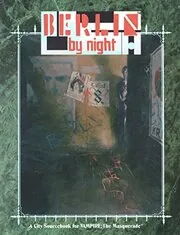
Berlin by Night
by James A Moore
1993
A city sourcebook that turns Berlin into a pressure cooker of vampire politics, old wounds, and contested territory. The pleasure here is in the atmosphere, factions, and the sense that every block belongs to someone dangerous.

Necropolis: Atlanta
by James A Moore
1994
A World of Darkness setting book that maps Atlanta's supernatural dead, its hidden history, and the tensions between factions haunting the city. It is a city guide built for atmosphere, politics, and crossover play.

Cities of Darkness Volume 2
by James A Moore
1997
A collected Vampire sourcebook that expands the setting through city politics, factions, and urban night-life conflict. It is designed less as a single story than as a toolbox for darker, more localized chronicles.
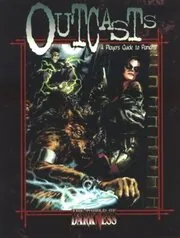
World of Darkness
by James A Moore
1999
A broad guide to the World of Darkness setting, laying out the hidden powers, supernatural factions, and modern gothic mood behind the larger shared universe. It is more about atmosphere and structure than a single plot.

Blood Magic
by James A Moore
2000
This Vampire sourcebook explores Thaumaturgy and the blood magic behind the Tremere’s influence. New paths, rituals, and lesser-known practices expand possibilities for chronicles while examining how this discipline helped the clan gain power in the modern nights.
Vampire: the Masquerade books in chronological order
Series background & context
James A. Moore's Vampire: the Masquerade work belongs to the broader White Wolf tradition of modern gothic horror, where immortal predators rule from the shadows and city politics can be deadlier than any one feeding scene. These books are built around the setting first. Secret clans, old rivalries, hidden domains, fragile alliances, and the constant need to keep the truth concealed all drive the mood.
The city is everything.
That is especially clear in material like Berlin by Night, where place does a lot of the storytelling. Berlin is not there as generic urban scenery. It is a divided, haunted, politically loaded city whose human history and supernatural history grind against each other in useful ways. Factions do not just occupy the setting. They grow out of it. The result is a version of vampire fiction where territory, memory, ideology, and influence matter as much as blood.
These books are also a little different from standard series fiction because several of Moore's contributions in this world are sourcebook-style texts rather than straight novels. That means the pleasure is in immersion and possibility. You are reading for atmosphere, hidden structures, power maps, enemies, rumors, and the sense that every district might belong to someone who has been dead for centuries.
If you come in expecting a single protagonist's journey from beginning to end, this line may feel more open-ended than that. But if you like urban horror that treats cities as ecosystems of secrets, it has a lot to offer. Moore was good at making a setting feel active, not static. You get the impression that terrible things are happening just off the page, whether or not the current chapter is looking directly at them.
So this part of his bibliography is best approached as dark setting work with strong narrative flavor. Read it if you want vampire politics, factional tension, nocturnal cities, and a world where every answer usually leads to another compromise. It is a good example of how well Moore could work inside a shared universe without flattening the atmosphere that made the universe popular in the first place.







Edited by
Software engineer whose passion for tracking book recommendations from podcasts inspired the creation of MRB.
Lead investor at 3one4 Capital whose startup expertise and love for books helped shape MRB and its growth.
Comments
Did we miss something? Have feedback?
Help us improve this page by sharing your thoughts