
Time's Tapestry Books in Order
Part ofStephen Baxter Books in OrderSee Stephen Baxter's Time's Tapestry books in order, with plot summaries, series background, and notes on the alt-history timeline.
Last updated:
As an Amazon Associate, we earn from qualifying purchases (at no extra cost to you).
Time's Tapestry books in publication order
4 books
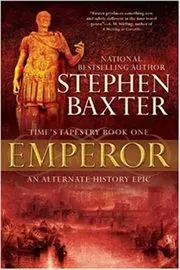
Emperor
by Stephen Baxter
2006
A prophecy shadows one family through Roman Britain, turning ordinary lives into part of a bigger design. The result is historical fiction with a quiet but persistent science-fiction pressure.
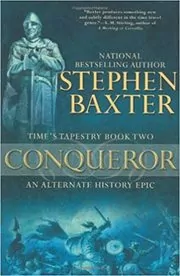
Conqueror
by Stephen Baxter
2007
The Time's Tapestry saga moves to 1066, where the fate of England becomes a target for intervention. Baxter blends battle, dynastic struggle, and time-bending manipulation.
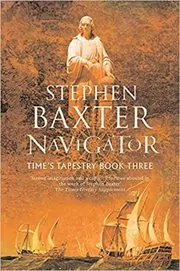
Navigator
by Stephen Baxter
2007
In 1492, the fall of Granada and Columbus's voyage become part of the Weaver's long campaign to reshape history. The novel keeps one foot in real history and the other in unsettling alternate possibilities.
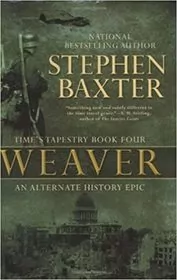
Weaver
by Stephen Baxter
2008
In a Nazi-dominated 1940s Britain, the long time-war finally comes to a head. The book is the darkest of the sequence, with history itself feeling unstable and occupied.
Time's Tapestry books in chronological order
Series background & context
The Time's Tapestry books are Baxter in full alternate-history mode, but with a science-fiction engine ticking away behind the historical detail. Across Emperor, Conqueror, Navigator, and Weaver, history keeps getting nudged, tested, and attacked by forces from another timeline.
Each book locks onto a crucial period. Roman Britain. 1066. 1492. A twentieth century warped into Nazi domination. That structure gives the series a strong marching rhythm, because every volume knows exactly which hinge of history it wants to worry.
The Weaver is the thread running through it all.
Rather than treating history as fixed backdrop, Baxter turns it into contested terrain. Families, rulers, priests, soldiers, and ordinary witnesses all get caught in changes they cannot fully understand. The books are often bloodier and more grounded than his space fiction, but the long-game thinking is the same.
If you like speculative fiction that takes real turning points seriously, this series is an inviting choice. The page here helps you follow the order and the timeline, and it gives enough context to show how Baxter mixes careful historical setting with the uncanny feeling that somebody, somewhere, keeps trying to rewrite the script.














Edited by
Software engineer whose passion for tracking book recommendations from podcasts inspired the creation of MRB.
Lead investor at 3one4 Capital whose startup expertise and love for books helped shape MRB and its growth.
Comments
Did we miss something? Have feedback?
Help us improve this page by sharing your thoughts