
Three Days In Chicagoland Books in Order
Part ofRJ Ellory Books in OrderSee the Three Days in Chicagoland series by R.J. Ellory in order, with story summaries and guidance for reading the three novellas as one linked crime tale.
Last updated:
As an Amazon Associate, we earn from qualifying purchases (at no extra cost to you).
Three Days In Chicagoland books in publication order
3 books
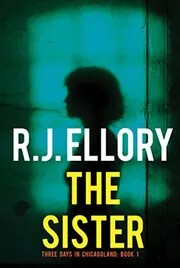
The Sister
by RJ Ellory
2008
In the first Three Days in Chicagoland novella, a woman sits in an execution chamber watching the man who strangled her teenage sister die. As she relives the crime and the years of grief that followed, cracks begin to show in her certainty about what really happened.
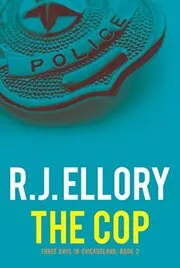
The Cop
by RJ Ellory
2012
In the second Three Days in Chicagoland novella, the detective who investigated a young woman's 1956 murder finally tells his version of events. His account adds missing details, questions the official story and shows how one case can haunt a cop for the rest of his life.
The Killer
by RJ Ellory
2012
This final Three Days in Chicagoland novella is narrated by a condemned man awaiting execution for a 1956 Chicago murder. As he looks back on an abusive childhood and the choices that shaped him, his confession offers a disturbing, intimate angle on a crime everyone thinks they understand.
Three Days In Chicagoland books in chronological order
Series background & context
Three Days in Chicagoland is a compact crime saga that plays out over three linked novellas and a single, brutal crime. In 1956 a young woman is murdered in Chicago, a case that appears open and shut. Ellory revisits those events three times, each from a different narrator, slowly peeling back what people chose to see, what they missed and what they could not admit.
In The Sister, the story belongs to the victim's older sister. She sits in the execution chamber watching the man convicted of strangling her sibling die, convinced that this moment will finally bring justice and peace. Her voice is intimate and furious, and through her memories you see how one act of violence can hollow out a family and reshape a life.
The Cop shifts the focus to the detective who worked the case. His account is more procedural on the surface, filled with interviews, reports and the pressure of a city that wants closure. Yet as he talks through the investigation he reveals details the sister never knew and hints at compromises and blind spots that kept everyone comfortable but left important questions unanswered.
The final volume, The Killer, is narrated by a condemned man waiting to die for the crime. He looks back on a childhood marked by cruelty, his drift into petty crime and the choices that led to a young woman's death. His confession is part explanation, part self indictment, and it forces the reader to weigh how much of a life story can ever excuse what someone has done.
Taken together, the novellas form a kind of triptych around one murder and one city. The Chicago of the 1950s is sketched in small, telling details, from tenement rooms and police squad cars to the rituals of the death house. The tension comes less from ticking clock twists than from watching how each narrator edits the truth to protect themselves.
You can read any of the three pieces on its own, but they are strongest in order, moving from the sister to the cop to the killer. By the end, the trilogy has less to say about who committed the crime than about memory, guilt and the slippery nature of justice in a world where every story is only part of what really happened.


Edited by
Software engineer whose passion for tracking book recommendations from podcasts inspired the creation of MRB.
Lead investor at 3one4 Capital whose startup expertise and love for books helped shape MRB and its growth.
Comments
Did we miss something? Have feedback?
Help us improve this page by sharing your thoughts