
Thomas Swan Books in Order
Explore Thomas Swan books in order, with short summaries, Inspector Jack Oxby series background, and clear advice on where to start as a new reader.
Last updated:
As an Amazon Associate, we earn from qualifying purchases (at no extra cost to you).
Thomas Swan books in publication order
4 books
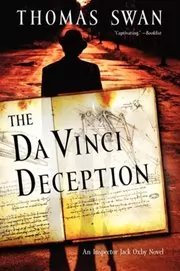
The Da Vinci Deception
by Thomas Swan
1990
Inspector Jack Oxby races from London to New York and Lake Como as he hunts an art forger whose counterfeit Leonardos send shock waves through the art world. The case turns rare manuscripts and old drawings into deadly evidence.
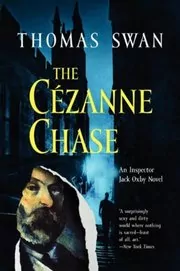
The Cézanne Chase
by Thomas Swan
1997
When Cézanne self-portraits are attacked and a curator is murdered, Scotland Yard art-crime detective Jack Oxby follows the trail into a scheme driven by money, obsession, and a killer willing to destroy masterpieces to get ahead.

The Final Faberge
by Thomas Swan
1999
A wealthy collector hires Jack Oxby to find a rumored Imperial Fabergé egg with a violent past. The search carries him from London to New York and Russia, where every clue seems to draw another body.
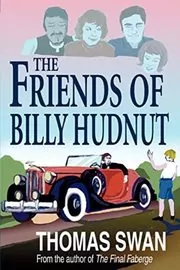
The Friends of Billy Hudnut
by Thomas Swan
2004
Set in 1936, this standalone follows Billy Hudnut as several family friends face Depression-era strain, racism, and the growing fear of war. Through Billy's eyes, private troubles become a wider story about community, faith, and survival.
Where to start with Thomas Swan
If you want the Jack Oxby series from the beginning: The Da Vinci Deception → The Cézanne Chase → The Final Faberge
If you want the biggest international art-crime case: The Cézanne Chase → The Final Faberge
If you want a standalone with a different feel: The Friends of Billy Hudnut
Thomas Swan sub-series and character series
Inspector Jack Oxby books in order
Explore this seriesInspector Jack Oxby books in chronological order
Standalone Thomas Swan books
Author bio
Thomas Swan came to fiction after spending years in advertising, copywriting, and television production. Before he became a full-time novelist, he worked as an ad agency vice president and later as a senior advertising executive with American Express. Those jobs may sound far from detective fiction, but they fit his books surprisingly well. He learned how to shape a message, how to keep things moving, and how to make a reader want the next line.
He did not follow the usual writing path.
Swan was also deeply involved in the mystery world itself. He served on the board of Mystery Writers of America, worked as its secretary, and became president of the organization's New York chapter. That background matters. It places him not just as someone writing crime fiction, but as someone active inside the community that read, discussed, and helped define it.
His first novel, The Da Vinci Deception, appeared in 1990 and introduced Inspector Jack Oxby. Swan found his lane early: art crime. Instead of drug rings or serial killers, his mysteries circle around forged manuscripts, damaged masterpieces, legendary treasures, and the money and vanity that cling to them. It was a smart niche, and it gave his detective stories a polished but dangerous edge.
That art-world focus runs through The Da Vinci Deception, The Cézanne Chase, and The Final Faberge. These books send Oxby through London, New York, Lake Como, St. Petersburg, and Russia, but the travel is never there just for show. Swan uses those settings to connect museums, collectors, dealers, and criminals, and to show how a beautiful object can leave a trail of greed behind it.
He liked crimes with pedigree.
Readers who enjoy Swan usually seem to respond to the mix he offers. The books have police work, clue-chasing, and real stakes, but they also make room for rare paintings, old manuscripts, and lost objects with long histories. Swan does not treat art as wallpaper. In his fiction, art is the reason people lie, kill, forge, hide, and bargain. That gives the Jack Oxby novels a slightly different feel from a standard procedural.
Then he stepped away from Oxby's world. The Friends of Billy Hudnut, published in 2004, is a standalone and a real change of pace. Set in 1936, it looks at families trying to steady themselves after the Depression while the news from Europe grows darker. The book follows several intertwined troubles, including prejudice and religious conflict, and much of it is seen through the eyes of a fast-growing teenager, Billy Hudnut. It is broader, warmer, and more community-minded than the Oxby books, even though conflict is still never far away.
Across this short bibliography, Swan keeps returning to deception in one form or another. Sometimes it is literal forgery. Sometimes it is social performance, old scandal, or the quiet self-deception that lets people excuse bad behavior. His books are often interested in how respectable surfaces crack, especially when money or status gets involved. Even when the setting is elegant, the pressure is very human.
Book jacket biographies for his novels place him in Short Hills, New Jersey, and note that he lived there with his wife, Barbara, while writing full-time. They also show the reach of his work: his novels were Book of the Month Club selections and were translated into several languages. Thomas Swan did not produce a huge shelf of books, but he built a clear corner of crime fiction that is easy to spot once you have read him.








Edited by
Software engineer whose passion for tracking book recommendations from podcasts inspired the creation of MRB.
Lead investor at 3one4 Capital whose startup expertise and love for books helped shape MRB and its growth.
Comments
Did we miss something? Have feedback?
Help us improve this page by sharing your thoughts