
The Image Men Books in Order
Part ofJB Priestley Books in OrderSee The Image Men books by J.B. Priestley in order, with quick summaries, series background, and help deciding where to start this late satirical duology.
Last updated:
As an Amazon Associate, we earn from qualifying purchases (at no extra cost to you).
The Image Men books in publication order
2 books
Out of Town
by JB Priestley
1968
This opening volume of The Image Men introduces two down-at-heel academics who decide to turn image-making into a new discipline. Priestley uses them to satirize universities, publicity, and modern self-invention.
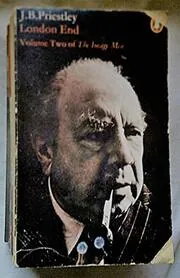
London End
by JB Priestley
1969
In the second half of The Image Men, Priestley's image-making professors move deeper into the worlds of media, money, and influence. The satire sharpens as public appearance keeps crowding out substance.
The Image Men books in chronological order
Series background & context
The Image Men is really one late Priestley story told in two parts, Out of Town and London End. At its center are two older academics, Cosmo Saltana and Owen Tuby, clever, underfunded, a little shabby, and much too curious about the modern world to leave it alone.
They are not heroic in any simple way. They are talkers, schemers, observers, and occasional opportunists. That makes them perfect guides for a series about appearance, influence, and the business of making people look important. Priestley likes them, but he never lets them become noble.
The big idea behind the books is social image. Saltana and Tuby turn that slippery phrase into something half intellectual theory and half entrepreneurial racket, building an Institute of Social Imagistics and testing just how far image-making can go. Universities, foundations, committees, television, publicity, and wealthy patrons all become part of the game. Priestley saw very clearly that modern life was starting to reward presentation as much as substance, and these books lean hard into that discovery.
That is what gives the series its lasting bite.
Out of Town begins away from the full glare of metropolitan life. Priestley can show ideas being invented, dressed up, funded, and sold before they hit the wider culture. By the time you reach London End, the scale has widened. The action moves deeper into the capital, where media exposure, money, cultural prestige, and political usefulness are much harder to separate. The two volumes have different textures, but together they form one long satirical look at Britain in the late 1960s.
What should you expect from the tone? Not a thriller, and not quite a campus novel either. The Image Men works best as social comedy with teeth. Priestley is amused by jargon, vanity, bureaucracy, and the new professional language of influence, but he is also genuinely interested in why people perform versions of themselves in the first place. Public life in these books is crowded with people who want to be seen, managed, improved, rescued, or repackaged.
That makes the series feel surprisingly modern. Priestley is writing before media coaching and permanent brand management became everyday language, yet he is already poking at the habits behind both. Celebrity, politics, academia, business, and cultural life all start to blur together once image becomes a kind of currency.
If you like late, talky, idea-driven fiction that still has character and humour, this is a rewarding corner of Priestley's work. The books are loose, curious, and often very funny. More than anything, they ask what happens when a society becomes so fascinated by appearances that appearances start running the whole show.





Edited by
Software engineer whose passion for tracking book recommendations from podcasts inspired the creation of MRB.
Lead investor at 3one4 Capital whose startup expertise and love for books helped shape MRB and its growth.
Comments
Did we miss something? Have feedback?
Help us improve this page by sharing your thoughts