
JB Priestley Books in Order
Browse J.B. Priestley books in order, with short summaries, where to start tips, and background on his novels, plays, essays, and social history.
Last updated:
As an Amazon Associate, we earn from qualifying purchases (at no extra cost to you).
JB Priestley books in publication order
69 books
Papers from Lilliput
by JB Priestley
1922
Short essays and sketches from Priestley's early career, nimble in tone and often lightly satirical. It is a good glimpse of him before the big novels and plays arrived.
I for One
by JB Priestley
1923
A personal early volume in which Priestley mixes opinion, literary talk, and self-revealing commentary. It already shows the direct, companionable style that made his essays so easy to follow.
Figures In Modern Literature
by JB Priestley
1924
An early critical book of essays on major writers and movements. Priestley writes for the general reader, explaining what matters without sounding like a lecturer.
The English Comic Characters
by JB Priestley
1925
A brisk, enjoyable study of recurring comic types in English writing. Priestley is interested not just in jokes, but in what national humour reveals about temperament and class.
George Meredith
by JB Priestley
1926
Priestley introduces the novelist George Meredith as both writer and personality, keeping the criticism readable for non-specialists. It is part literary portrait, part invitation to read further.
Talking
by JB Priestley
1926
A collection of conversational essays and reflections, written as if Priestley were thinking aloud in good company. The charm is in the voice as much as the subjects.
Adam In Moonshine
by JB Priestley
1927
Priestley's first novel is an early, slightly dreamlike study of postwar uncertainty. Restlessness, romance, and disappointment all move through a world still unsettled by recent history.
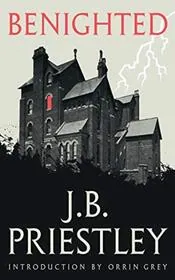
Benighted
by JB Priestley
1927
A group of travellers, stranded by a storm in Wales, take shelter in a decaying house inhabited by a deeply unsettling family. Priestley turns the setup into a dark thriller charged with postwar anxiety.
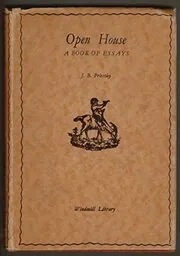
Open House
by JB Priestley
1927
An early book of essays that opens the door to Priestley the reviewer, observer, and all-purpose man of letters. The pieces are informal, alert, and easy to dip into.
English Humour
by JB Priestley
1929
Priestley looks at the English comic tradition and the cast of minds behind it. The book is literary criticism, but it keeps the tone lively and readable.
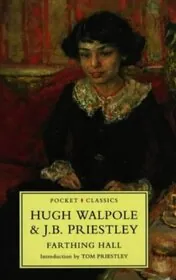
Farthing Hall
by JB Priestley
1929
Written with Hugh Walpole, this collaborative novel draws its interest from English setting, manners, and the tensions inside a closed social world. It is as much about atmosphere and character as plot.
The Good Companions
by JB Priestley
1929
Three dissatisfied people drift into the orbit of a touring concert party and find themselves remaking their lives on the road. This is Priestley's breakthrough novel, warm, expansive, and full of travelling-show energy.
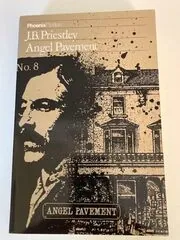
Angel Pavement
by JB Priestley
1930
At a struggling London veneer firm, clerks and bosses alike are unsettled by the arrival of the mysterious Mr Golspie. Priestley turns office routine into a vivid social panorama of late 1920s London.

The Balconinny
by JB Priestley
1930
A collection of essays and occasional pieces that mixes literary talk with social observation. Even in short form, Priestley is companionable, curious, and ready to argue.
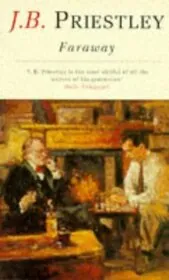
Faraway
by JB Priestley
1932
An unfulfilled Suffolk brewer is offered the chance to join a Pacific adventure in search of a mysterious island. The journey becomes part treasure hunt, part romance, and part escape from ordinary life.
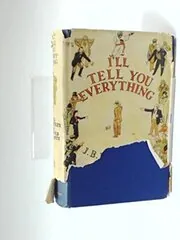
I'll tell you everything
by JB Priestley
1933
A collaborative novel with Gerald Bullett, built around talk, personality, and the way small revelations keep changing what people think they know. It is witty, social, and deliberately talkative.

Wonder Hero
by JB Priestley
1933
Priestley satirizes the sensational press and its habit of inventing public heroes overnight. Fame, publicity, and crowd excitement are treated with humour and a sharp eye.
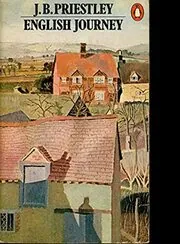
English Journey
by JB Priestley
1934
Priestley travels across Britain in the 1930s, recording factories, streets, landscapes, and the lives of ordinary people. It is one of his most important books, part travelogue and part social diagnosis.

Essays of To-Day and Yesterday
by JB Priestley
1935
An early essay collection that shows Priestley finding his voice as critic and commentator. The pieces move easily between books, manners, and the changing feel of modern life.
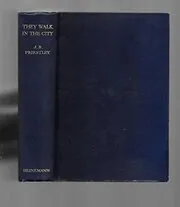
They walk in the city
by JB Priestley
1936
A city novel about love, chance, and modern urban life, later known as The Lovers in the Stone Forest. Priestley makes the built world feel crowded, restless, and emotionally charged.
Midnight On The Desert
by JB Priestley
1937
An autobiographical book of reflection, written out of Priestley's American travels and the troubled late 1930s. It joins private memory to public unease about the times.
Self Selected Essays
by JB Priestley
1937
A handpicked volume of Priestley's essays, useful as an introduction to the range of his shorter writing. Literature, society, personality, and everyday life all find a place here.
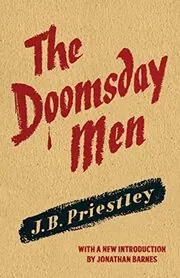
The Doomsday Men
by JB Priestley
1937
Three strangers meet in a Nevada desert town while following different mysteries, and their separate searches begin to join. What starts as adventure widens into cult danger and an alarming threat to the wider world.
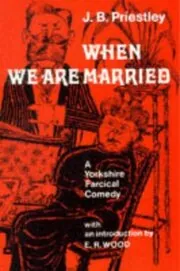
When We Are Married
by JB Priestley
1938
Three respectable Yorkshire couples gather to celebrate their silver weddings, only to discover a devastating legal hitch. Priestley's farce is full of embarrassment, old grievances, and very funny panic.
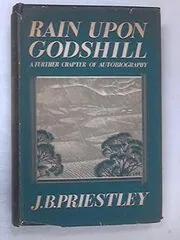
Rain Upon Godshill
by JB Priestley
1939
A further chapter of autobiography, written in the shadow of the late 1930s and Priestley's visits to America. It blends personal reflection with a strong sense of looming public crisis.
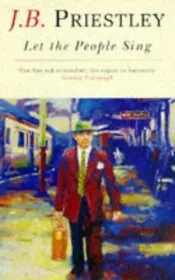
Let the People Sing
by JB Priestley
1940
In the small town of Dunbury, local people unite to save their music hall from closure. The novel is comic and civic-minded, with Priestley taking aim at corruption and apathy.
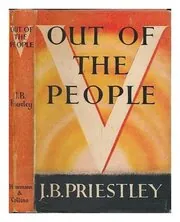
Out of the people
by JB Priestley
1940
A wartime book arguing that ordinary people deserve a better, fairer Britain than the one they knew before the conflict. Priestley connects morale, democracy, and social change.
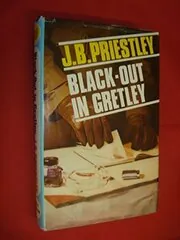
Black Out In Gretley
by JB Priestley
1942
A wartime story in which blackout conditions, secrecy, and divided loyalties create a tense, suspicious atmosphere. Priestley mixes thriller elements with a close look at people under pressure.
Britain Under Fire
by JB Priestley
1942
A wartime commentary on Britain under attack, written to keep public morale steady without losing sight of what the country is fighting for. It shows Priestley as broadcaster and social witness.
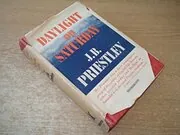
Daylight on Saturday
by JB Priestley
1944
Set around a wartime aircraft factory, this novel follows workers whose lives are shaped by long shifts and the pressures of total war. Priestley turns industrial routine into human drama.
Letter to a returning serviceman
by JB Priestley
1945
A short, urgent appeal to the men coming home from war, arguing that Britain must be rebuilt on fairer lines. Priestley writes plainly about citizenship, duty, and the future.
Three Men in New Suits
by JB Priestley
1945
Three servicemen try to step back into civilian life at the end of the Second World War. Priestley follows their uncertainty, hopes, and awkward readjustments with warmth and sharp observation.
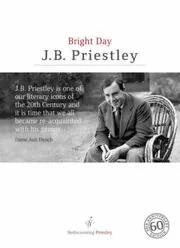
Bright Day
by JB Priestley
1946
Screenwriter Gregory Dawson goes to Cornwall to work, only to be pulled back into vivid memories of his youth in Bruddersford before the First World War. The novel is nostalgic, searching, and deeply interested in how memory alters a life.
Jenny Villiers
by JB Priestley
1947
A weary playwright supervising rehearsals in a northern theatre is drawn into visions of an older theatrical tragedy. It is a ghost story, a love letter to the stage, and a meditation on artistic renewal.
Theatre Outlook
by JB Priestley
1947
Priestley considers what theatre should do, how it can be organized, and why it matters in public life. The book mixes criticism, advocacy, and practical thinking about the stage.
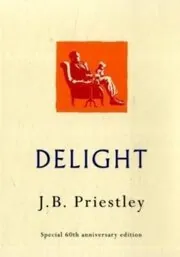
Delight
by JB Priestley
1949
A famous collection of short essays on small pleasures, from reading in bed to a new box of matches. Priestley makes ordinary enjoyments feel newly visible without turning sentimental.

Festival at Farbridge
by JB Priestley
1951
A Midlands town throws itself into staging a local celebration during the Festival of Britain. Priestley uses the bustle to create a comic portrait of committees, civic pride, and postwar hopes.
Low Notes on a High Level
by JB Priestley
1954
A buoyant comic novel, or frolic, in which Priestley pokes fun at status, pretension, and cultivated seriousness. He keeps the tone light while enjoying every social absurdity.
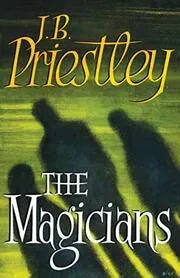
The Magicians
by JB Priestley
1954
When industrialist Sir Charles Ravenstreet is pushed out of his company, he falls in with three strange old men who claim to be magicians. The novel blends social satire, fantasy, and Priestley's fascination with time and choice.
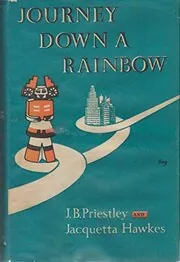
Journey Down A Rainbow
by JB Priestley
1955
Written with Jacquetta Hawkes, this is a travel book about the United States that mixes movement, observation, and argument. Both writers use the journey to think about modern life on a larger scale.
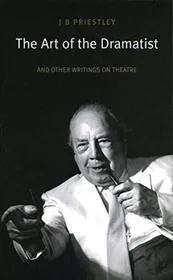
The Art of the Dramatist
by JB Priestley
1957
An anthology of Priestley's writings on theatre and playmaking. He discusses the stage as a living art and offers practical, readable thoughts on how drama works.
Thoughts in the Wilderness
by JB Priestley
1957
A collection of essays and reflections written from Priestley's political and cultural sidelines. He ranges across public life, modern habits, and the things he thinks England is getting wrong.
The wonderful world of the theatre
by JB Priestley
1959
A wide-ranging introduction to theatre, from its history and traditions to the special excitement of live performance. Priestley writes as both playwright and lifelong theatre lover.
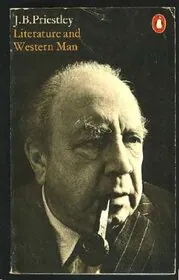
Literature And Western Man
by JB Priestley
1960
A large, accessible survey of Western literature from the late medieval world to the twentieth century. Priestley writes as an engaged reader, linking books to the societies that produced them.
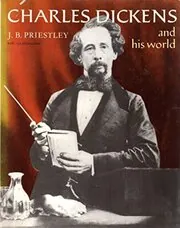
Charles Dickens and His World
by JB Priestley
1961
Priestley places Dickens in the streets, crowds, work, and spectacle of Victorian Britain. It is part biography, part cultural portrait, and written with obvious fellow-feeling.
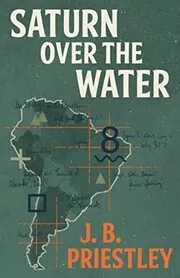
Saturn Over the Water
by JB Priestley
1961
Painter Tim Bedford agrees to look for a missing scientist and follows the trail from London to New York, South America, and Australia. The hunt opens into a fast-moving conspiracy about mass communication and manipulation.
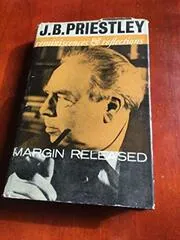
Margin Released
by JB Priestley
1962
A brief memoir in which Priestley looks back on childhood, war service, writing, and public life. It is compressed, humane, and especially valuable on the First World War's lasting effect on him.
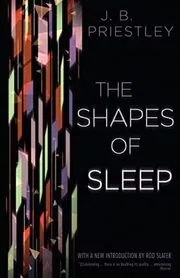
The Shapes of Sleep
by JB Priestley
1962
A mystery novel that brings Priestley's interest in dreams and altered states close to suspense. The atmosphere is uneasy and intelligent, with sleep itself hovering at the edge of the puzzle.
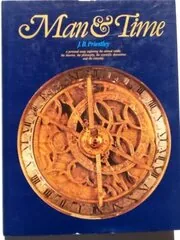
Man and Time
by JB Priestley
1964
Priestley explores one of his lifelong obsessions, asking what time is and how people actually experience it. He ranges across dreams, memory, science, and philosophy in a book written for ordinary readers.
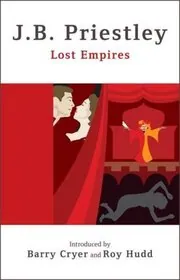
Lost Empires
by JB Priestley
1965
After his mother's death, young Richard Herncastle joins his uncle on the provincial music hall circuit just before the First World War. It is a coming-of-age novel, and a loving record of a vanished entertainment world.
Salt Is Leaving
by JB Priestley
1966
When one of his patients disappears, Doctor Salt begins asking questions the police would rather ignore. This is Priestley in detective mode, with a missing woman, a stubborn amateur sleuth, and gathering suspicion.
Sir Michael and Sir George
by JB Priestley
1966
Two rival arts administrators, each heading a competing cultural body, battle over money, prestige, and survival. Priestley turns arts bureaucracy into an amused but pointed satire.
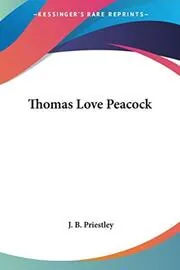
Thomas Love Peacock
by JB Priestley
1966
A critical biography of the novelist and satirist Thomas Love Peacock. Priestley sketches the man, the books, and the literary world around him with clarity and affection.

It's an Old Country
by JB Priestley
1967
An Australian comes to England in search of his long-lost father and meets a whole range of people along the way. The search gives Priestley room for travel, talk, and a broad look at English life.
Out of Town
by JB Priestley
1968
This opening volume of The Image Men introduces two down-at-heel academics who decide to turn image-making into a new discipline. Priestley uses them to satirize universities, publicity, and modern self-invention.
Trumpets Over the Sea
by JB Priestley
1968
Part memoir, part music book, this follows the London Symphony Orchestra on its American trip to Florida in 1967. Priestley writes as an enthusiastic listener, not a detached critic.
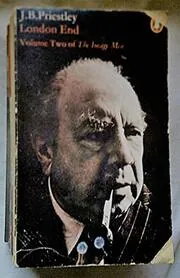
London End
by JB Priestley
1969
In the second half of The Image Men, Priestley's image-making professors move deeper into the worlds of media, money, and influence. The satire sharpens as public appearance keeps crowding out substance.
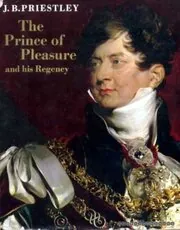
The Prince of Pleasure
by JB Priestley
1969
Priestley turns to the Prince Regent and the Regency, using one flamboyant figure to open up a whole period. It is history with an eye for style, power, excess, and social change.
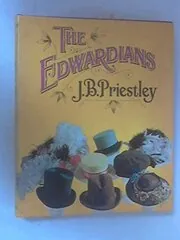
The Edwardians
by JB Priestley
1970
A social history of the Edwardian years, looking past costume drama nostalgia to the forces shaping modern Britain. Priestley writes about class, culture, politics, and the mood of the age.
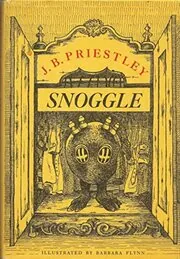
Snoggle
by JB Priestley
1971
A late children's book that shows Priestley in playful mode. It mixes fantasy, humour, and a sense that the ordinary world can suddenly tip into adventure.
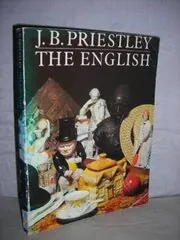
The English
by JB Priestley
1971
Priestley sets out to describe the English as they look, sound, behave, and imagine themselves. It is a lively portrait of national habits, contradictions, and shared myths.
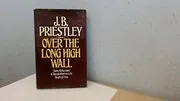
Over the Long High Wall
by JB Priestley
1972
An autobiographical work from Priestley's later years, reflective rather than strictly chronological. He writes about memory, time, and the long view that age gives a working writer.
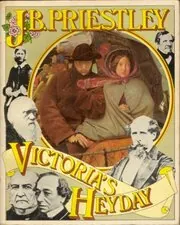
Victoria's Heyday
by JB Priestley
1972
Priestley surveys Britain in the high Victorian years, looking at politics, industry, class, religion, and daily life. It is social history written for general readers, brisk, readable, and full of connections.

A Visit To New Zealand
by JB Priestley
1974
A brief travel book in which Priestley records his impressions of New Zealand with curiosity, humour, and the eye of a seasoned social observer. It is part travel writing, part portrait of a place.
Outcries And Asides
by JB Priestley
1974
A late collection of short pieces, some topical, some personal, some argumentative. Priestley moves easily between public issues and private enthusiasms, always writing in a direct, conversational voice.
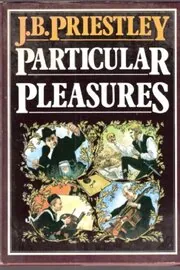
Particular Pleasures
by JB Priestley
1975
An essay collection about the things Priestley cared for most, especially performance, music, painting, and comic talent. The pieces are personal, lively, and full of sharp likes and dislikes.
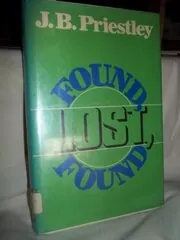
Found, Lost, Found
by JB Priestley
1976
A drifting civil servant falls for a writer who refuses to make things easy, then challenges him to find her in the country. Priestley turns the chase into a light, witty comedy about love and English manners.
The Happy Dream
by JB Priestley
1976
A short late essay built around an unusually vivid dream. Priestley turns a private experience into a thoughtful meditation on memory, imagination, and the odd ways the mind keeps working after sleep.
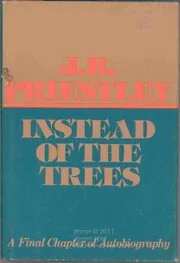
Instead of the Trees
by JB Priestley
1977
Priestley's final autobiographical volume looks back on his life, work, and the century around him. It is reflective, candid, and full of the plainspoken intelligence that runs through his essays and broadcasts.
Where to start with JB Priestley
If you want the breakthrough novel: The Good Companions → Angel Pavement
If you want memory and prewar England: Bright Day → Lost Empires
If you want something darker and stranger: Benighted → The Doomsday Men → Saturn Over the Water
If you want Priestley the essayist and observer: English Journey → Delight → The English
JB Priestley sub-series and character series
Standalone JB Priestley books
Author bio
J.B. Priestley was born John Boynton Priestley in Manningham, Bradford, on September 13, 1894. His father was a schoolmaster, his mother died when he was very young, and he was brought up by his stepmother. He left school at sixteen and went to work in a wool office, which gave him an early education in ordinary working life that never really left his writing.
He wanted to be a writer almost from the start.
Even while he was doing office work, he was buying books, trying different kinds of writing, and contributing an unpaid column to the Bradford Pioneer. His first professional piece appeared in 1912, and he kept going by sheer habit and appetite. That mix of discipline and curiosity stayed with him for the next seventy years.
The First World War cut straight across his youth. Priestley served in England and France, was wounded, survived being buried by a trench mortar blast, and later suffered the effects of gas. After the war he went to Trinity Hall, Cambridge, and then made his way to London, where he built a career as an essayist, reviewer, biographer, and freelance man of letters.
Then the fiction took off.
His early novels include Benighted, but the book that changed everything was The Good Companions in 1929. Its success made him a national figure, and Angel Pavement showed he could do something very different, a large, observant London novel about office workers, money worries, and private longings. Readers still tend to come to Priestley for the warmth, movement, and sharp social noticing in books like The Good Companions, Bright Day, and Lost Empires.
Success with novels gave him room to gamble on the theatre. He had a long run as a playwright, from the time-bending experiments of Dangerous Corner and Time and the Conways to the broad Yorkshire comedy of When We Are Married and the moral shock of An Inspector Calls. Priestley himself felt, more and more, that he was naturally built for the stage.
He was never only one kind of writer.
In 1934 he published English Journey, a travel book that became one of the great records of Depression-era Britain. During the Second World War he reached an even larger audience through his BBC Postscripts, short radio talks that tried to keep morale up while also arguing that the country should build something fairer after the fighting stopped. That public, argumentative side of Priestley mattered as much to him as the fiction.
The later books show how wide his interests really were. Delight finds joy in small daily pleasures. Literature and Western Man is his big survey of the tradition he had spent a lifetime reading. Man and Time returns to a subject that fascinated him for years, the strange way time, memory, dreams, and choice seem to overlap. He also kept writing novels, and he later said he had come to prize The Image Men above many of his other books.
In his later life he lived near Stratford-upon-Avon with his third wife, the writer and archaeologist Jacquetta Hawkes. He helped inspire the Campaign for Nuclear Disarmament, turned down both a knighthood and a peerage, and carried on writing almost to the end. When he died in 1984, he left behind novels, plays, essays, criticism, travel writing, broadcasts, and one of the busiest literary careers of the twentieth century.




Edited by
Software engineer whose passion for tracking book recommendations from podcasts inspired the creation of MRB.
Lead investor at 3one4 Capital whose startup expertise and love for books helped shape MRB and its growth.
Comments
Did we miss something? Have feedback?
Help us improve this page by sharing your thoughts