
The Gulag Archipelago Books in Order
Part ofAleksandr Solzhenitsyn Books in OrderThis page lists The Gulag Archipelago books by Aleksandr Solzhenitsyn in order, with volume summaries, historical context, and advice on how to begin this major account of the Soviet camp system.
Last updated:
As an Amazon Associate, we earn from qualifying purchases (at no extra cost to you).
This series has 4 recommenders.




The Gulag Archipelago books in publication order
3 books
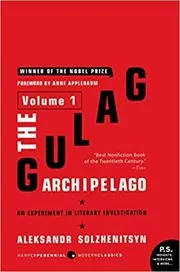
An Experiment in Literary Investigation, Volume 1
by Aleksandr Solzhenitsyn
1973
The first volume of Solzhenitsyn’s Gulag chronicle opens with arrest and interrogation, tracing how ordinary people are swept into the prison system. Drawing on his own experience and many testimonies, he shows how fear, lies, and small choices feed a vast machinery of repression.
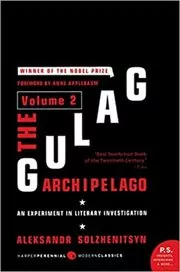
Vol. 2
by Aleksandr Solzhenitsyn
1973
The second volume of The Gulag Archipelago examines forced labor and everyday survival within Soviet prison camps. Accounts of hunger, dangerous work, and arbitrary authority lead into reflections on moral corruption, spiritual endurance, and the effects of captivity.
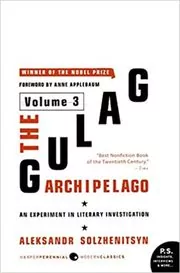
Vol. 3
by Aleksandr Solzhenitsyn
1973
The concluding volume of The Gulag Archipelago explores resistance, escape attempts, and uprisings within Soviet camps. Solzhenitsyn also examines exile, his release after eight years, and the changes in the prison system following Stalin's death.
Series background & context
The Gulag Archipelago is Solzhenitsyn’s long, demanding, and deeply personal account of the Soviet Union’s network of prisons, transit prisons, labor camps, and internal exile. Rather than a conventional history, he calls it an "experiment in literary investigation," weaving together his own years as a prisoner with hundreds of testimonies from others.
The series follows the path a typical prisoner might take between 1918 and 1956, from the first late night knock at the door to arrest and interrogation, through transport by train or prison barge, to hard labor in camps scattered across the Soviet Union. Along the way Solzhenitsyn pauses to explain how laws, decrees, and bureaucratic habits turned emergency measures into a permanent system of terror.
Readers meet guards, interrogators, informers, and ordinary prisoners, many of them educated professionals, peasants, or soldiers caught by chance or accusation. The books are full of bitterly comic detail about how people bargained for a crust of bread, improvised tools, or tried to preserve their dignity when almost everything else had been stripped away.
At the same time, The Gulag Archipelago is a long meditation on conscience. Solzhenitsyn keeps asking how a society comes to accept unjust arrests, and what responsibility belongs to those who signed papers, kept silent, or benefited from others’ suffering. The work moves from horror to moments of unexpected kindness and spiritual growth, as some prisoners discover that their only freedom lies in telling the truth and refusing to hate.
Because the subject is heavy, many readers tackle the series slowly, one part at a time, or start with selections before reading all three volumes. However you approach it, The Gulag Archipelago offers a wide, human view of how an entire country lived for decades with fear, denunciations, and the knowledge that anyone might disappear into the camps at any time.
Taken together, the books changed how the world understood the Soviet system and gave a language to survivors whose experiences had long been minimized or denied. They remain a central reference point for discussions of political repression, moral responsibility, and the cost of living by lies.








Edited by
Software engineer whose passion for tracking book recommendations from podcasts inspired the creation of MRB.
Lead investor at 3one4 Capital whose startup expertise and love for books helped shape MRB and its growth.
Comments
Did we miss something? Have feedback?
Help us improve this page by sharing your thoughts