
The David Chronicles Books in Order
Part ofUvi Poznansky Books in OrderSee The David Chronicles by Uvi Poznansky in order, with summaries, companion art books, series background, and help deciding where to start.
Last updated:
As an Amazon Associate, we earn from qualifying purchases (at no extra cost to you).
The David Chronicles books in publication order
9 books
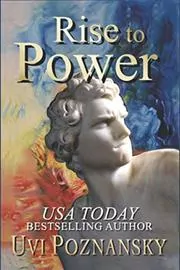
Rise to Power
by Uvi Poznansky
2013
An aging David finally tells the version of his life he never let the scribes record. From Goliath and Saul to exile and ambition, this is a sharp, intimate reimagining of how a legend becomes king.

A Peek at Bathsheba
by Uvi Poznansky
2014
David has the crown, the wars, and the authority he fought for, then Bathsheba changes everything. His forbidden desire and the cover-up that follows turn triumph into guilt, political danger, and a search for redemption.

The Edge of Revolt
by Uvi Poznansky
2014
David's failure to act after the assault on Tamar poisons both family and kingdom. As Absalom's anger grows into revolt, the old king must face the cost of silence, favoritism, and power gone weak.
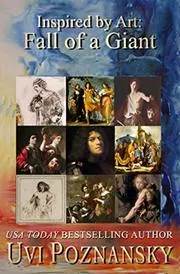
Inspired by Art: Fall of a Giant
by Uvi Poznansky
2017
This companion volume gathers artwork inspired by the aftermath of David's victory over Goliath. Paintings, sculpture, and manuscript images are arranged by story moment, creating a visual walk through triumph and its consequences.
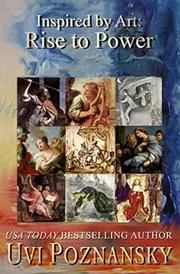
Inspired by Art: Rise to Power
by Uvi Poznansky
2017
A visual companion to Rise to Power, this book follows David's early climb through art across the centuries. It pairs scenes of youth, struggle, and kingship with paintings, sculpture, and manuscript imagery.

Inspired by Art: The Edge of Revolt
by Uvi Poznansky
2017
Centered on Tamar, Amnon, Absalom, and the family crisis that shakes David's court, this companion volume arranges artwork by dramatic moment. It is a gallery-style way to revisit the trilogy's darkest turn.

Inspired by Art: The Last Concubine
by Uvi Poznansky
2017
This art companion turns to David in old age and the figure of Abishag, his last concubine. It gathers centuries of visual interpretations around desire, frailty, and the fading end of royal power.

Inspired by Art: A Peek at Bathsheba
by Uvi Poznansky
2019
Bathsheba's story becomes a visual sequence here, told through artworks from many eras. The collection follows desire, betrayal, and aftermath, offering an art-centered companion to David's most famous moral fall.
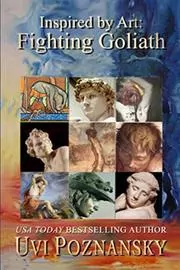
Inspired by Art: Fighting Goliath
by Uvi Poznansky
2019
This companion book focuses on David's battle with Goliath through paintings, sculpture, and manuscript art. It traces the fight step by step, showing how generations of artists imagined courage, threat, and spectacle.
The David Chronicles books in chronological order
Series background & context
The David Chronicles takes a very familiar figure and makes him feel unsettled again. Instead of presenting King David as a distant legend, Uvi Poznansky lets him speak for himself, late in life, as if he has finally decided to tell the version his court never wrote down. That choice changes the whole feel of the series. The books read less like formal retellings and more like a confession, a memoir, and a political reckoning at the same time.
The first novel, Rise to Power, follows David from his early years toward tribal kingship. He is musician, fighter, fugitive, strategist, and opportunist all at once. The old landmarks are here, including Goliath, Saul, exile, and battlefield success, but the emphasis is on how power actually feels while it is being won: messy, improvised, sometimes brutal, and never morally neat.
In A Peek at Bathsheba, the series shifts from ascent to cost. David is now closer to the center of authority, trying to unite a people and stop bloodshed, but private desire turns into public disaster. His affair with Bathsheba, and the cover-up that follows, becomes more than a famous scandal. It becomes the hinge on which the rest of his life swings.
Then The Edge of Revolt narrows the lens to family, which turns out to be just as dangerous as war. David faces the crimes of his children, the suffering of Tamar, the rage of Absalom, and his own failure to act with justice. Poznansky treats these events as state matters as much as domestic ones. When the king cannot rule his household, the kingdom shakes with it.
This is not a polished hero story.
The setting is ancient Israel, but the voice is deliberately modern and immediate. That approach makes court intrigue, sexual politics, loyalty struggles, and spiritual doubt feel close at hand rather than sealed behind old language. Readers who like their historical fiction rich in atmosphere but direct in style will probably click with it quickly.
The series also has an unusual visual side. Poznansky, who is an artist as well as a novelist, created companion Inspired by Art volumes that gather paintings, sculpture, and manuscript imagery around moments from David's life, from Goliath and Bathsheba to revolt and old age. Even without those companions, though, the heart of the series is clear. It is a story about power, desire, memory, and the long shadow cast by one man's choices.















Edited by
Software engineer whose passion for tracking book recommendations from podcasts inspired the creation of MRB.
Lead investor at 3one4 Capital whose startup expertise and love for books helped shape MRB and its growth.
Comments
Did we miss something? Have feedback?
Help us improve this page by sharing your thoughts