
The Corps (W.E.B. Griffin) Books in Order
Part ofW.E.B. Griffin Books in OrderThis page shows The Corps books by W.E.B. Griffin in order, with short summaries, series background, and tips on where new readers should begin.
Last updated:
As an Amazon Associate, we earn from qualifying purchases (at no extra cost to you).
The Corps (W.E.B. Griffin) books in publication order
10 books

Semper Fi
by W.E.B. Griffin
1986
A young Marine is thrown into the early days of World War II, where training turns into combat faster than anyone expects. As a new generation forms bonds under pressure, the novel sets up a long-running saga of service, loyalty, and hard-earned competence.

Call to Arms
by W.E.B. Griffin
1987
With the war widening, Marines are called into operations that demand more than courage, they demand planning and discipline. The characters face early tests of leadership, learning that the biggest threats are not always the ones you can see coming.

Counterattack
by W.E.B. Griffin
1990
Starting at Pearl Harbor and racing toward the hard fighting of the Pacific, this novel follows Marines and Raiders as they train, deploy, and strike back. It combines front-line action with planning and intelligence work, as a new kind of war takes shape.

Battleground
by W.E.B. Griffin
1991
The Marines are sent into a brutal battleground where terrain, weather, and exhaustion can be as deadly as gunfire. As the fighting drags on, leadership is tested, loyalties tighten, and survival depends on small decisions made under relentless pressure.
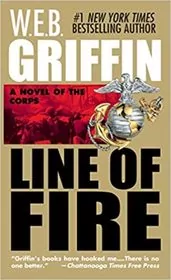
Line of Fire
by W.E.B. Griffin
1992
A mission places Marines directly in the line of fire, forcing quick choices with lives on the line. The story balances action with the realities of command, showing how planning, communication, and morale can fail at the exact moment they are needed most.

Close Combat
by W.E.B. Griffin
1993
Close combat means there is no room for mistakes and nowhere to hide. As the unit fights through a dangerous operation, the novel highlights teamwork, fear, and the discipline it takes to keep moving when everything is chaotic and personal.
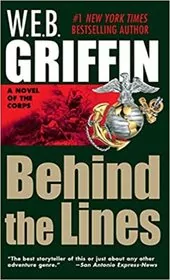
Behind the Lines
by W.E.B. Griffin
1996
An operation sends the team behind the lines, where cover stories and careful planning are all that stand between success and capture. The characters face betrayal, shifting objectives, and the brutal fact that extraction is never guaranteed, even when the mission is “done.”

In Danger's Path
by W.E.B. Griffin
1999
A new assignment puts the characters directly in danger’s path, with conflicting orders and hidden agendas complicating every move. As pressure rises, they have to decide what matters most, protecting the mission, protecting each other, or protecting the truth.

Under Fire
by W.E.B. Griffin
2002
With pressure coming from both the enemy and the clock, the unit fights to complete a mission while under constant fire. The story focuses on endurance, leadership, and the way stress exposes weaknesses in people and plans alike.

Retreat, Hell!
by W.E.B. Griffin
2003
A retreat is not an option, even when the situation turns ugly. Marines dig in, regroup, and fight through a desperate stretch where exhaustion and cold reality test their limits. The novel emphasizes grit, discipline, and the stubborn refusal to quit.
The Corps (W.E.B. Griffin) books in chronological order
Series background & context
The Corps is W.E.B. Griffin’s Marine Corps saga, built around a group of men who find themselves pulled from training fields into the brutal, fast-changing reality of World War II. The series starts as the United States is jolted into war and follows Marines as they build new units, learn hard lessons, and get sent wherever the next fight demands. It is a wide-angle story, but it is told through the eyes of people who still have to worry about the next meal, the next briefing, and the next order that drops out of nowhere.
You feel the sand, the heat, the exhaustion.
Although the books touch big events, the storytelling stays close to the people doing the work. Griffin pays attention to how a unit forms, how leaders earn trust, and how combat changes the way people talk to each other. Training, equipment, and logistics matter here. A plane that is not ready, a radio that fails, or a boat that arrives late can be the difference between a successful raid and disaster.
The series moves through different theaters and assignments, including early-war buildup, hard Pacific fighting, and missions that blend combat with intelligence work. That shift in focus keeps the pace varied. One book might lean into small-unit action and another into aviation or planning, but the throughline is the same: Marines trying to do a difficult job well while the ground, and the politics above them, keep moving.
The cast includes infantry, aviators, intelligence officers, and the kind of behind-the-scenes specialists who rarely get center stage in war stories. That variety lets the series cover a lot of military life without losing continuity. Characters run into each other again in unexpected ways, sometimes as allies and sometimes as professional obstacles.
The tone is pragmatic and often darkly funny, the kind of humor people use when they are exhausted and scared. These novels do not romanticize war, but they also do not wallow in misery. They focus on competence, teamwork, and the way professionals keep going even when they are angry, grieving, or half asleep.
The Corps reads best in order, starting with Semper Fi. The early books establish the core relationships that later missions depend on, and Griffin likes to bring back old favors and old grudges at exactly the wrong time. If you want military fiction that combines action with the nuts-and-bolts of how a Marine unit actually functions, this series is a natural starting point.










Edited by
Software engineer whose passion for tracking book recommendations from podcasts inspired the creation of MRB.
Lead investor at 3one4 Capital whose startup expertise and love for books helped shape MRB and its growth.
Comments
Did we miss something? Have feedback?
Help us improve this page by sharing your thoughts