
Clandestine Operations (W.E.B. Griffin) Books in Order
Part ofW.E.B. Griffin Books in OrderAll Clandestine Operations novels by W.E.B. Griffin in order, with brief summaries, series background, and a simple where-to-start suggestion.
Last updated:
As an Amazon Associate, we earn from qualifying purchases (at no extra cost to you).
Clandestine Operations (W.E.B. Griffin) books in publication order
5 books
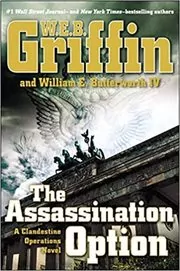
The Assassination Option
by W.E.B. Griffin
2014
A looming assassination threat forces operatives to weigh hard choices, including whether removing one person could prevent a larger disaster. The plot hinges on surveillance, competing agendas, and the moral unease of choosing an “option” that cannot be discussed openly.
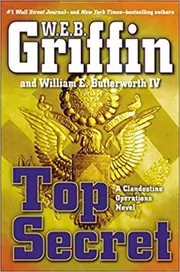
Top Secret
by W.E.B. Griffin
2014
A top-secret problem lands on a clandestine team’s desk, and solving it means moving fast before enemies and allies alike react. The mission mixes bureaucracy, tradecraft, and danger on the ground, where the wrong paperwork can be as deadly as a bullet.
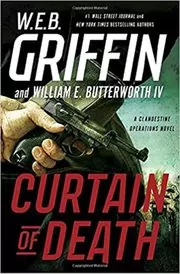
Curtain of Death
by W.E.B. Griffin
2016
Behind the growing divide of the Cold War, operatives face a case where one mistake can trigger international fallout. The team fights to protect an asset and expose a deadly plot, all while the political “curtain” closes and options disappear.
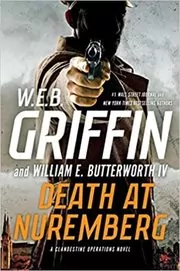
Death at Nuremberg
by W.E.B. Griffin
2017
A death connected to the Nuremberg-era world pulls a clandestine team into an investigation loaded with history and danger. As they chase answers through postwar politics, they learn that some crimes do not end when the trials do.
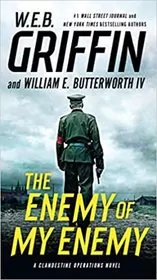
The Enemy of My Enemy
by W.E.B. Griffin
2018
In a world where yesterday’s enemies can become today’s temporary partners, a new mission forces uneasy cooperation. Operatives navigate betrayal, shifting intelligence, and the reality that alliances are tools, not friendships, when the stakes involve national survival.
Clandestine Operations (W.E.B. Griffin) books in chronological order
Series background & context
Clandestine Operations shifts W.E.B. Griffin’s focus into the uneasy space right after World War II, when the shooting has stopped but the intelligence wars are just getting organized. These books live in the early Cold War, with American operatives trying to build a new kind of service while former enemies, and new ones, scramble for position. The setting is full of ruined cities, fragile alliances, and people who are trying to rewrite their own pasts before someone else does it for them.
The war is over, but the violence just changed uniforms.
The core setup is a small U.S. team working out of Europe, dealing with the leftovers of the conflict: missing people, missing money, hidden networks, and the constant fear that someone is playing both sides. The stories often touch the moral mess of the moment. Former Nazis might have valuable information. Allies might have secrets they do not want shared. Everybody has a file on everybody else, and nobody is sure who is keeping the real ledger.
A lot of the tension comes from institutions being born in real time. The United States is still sorting out what intelligence work should look like, who controls it, and how far it is allowed to go. That means the characters are not just chasing targets, they are also inventing procedures, building contacts, and learning, sometimes painfully, what happens when politics interferes with operations. A successful mission can still be declared a failure if the wrong person is embarrassed.
Griffin’s hallmark procedural style fits this world well. Operations are planned, briefed, and adjusted on the fly. Characters fight over jurisdiction, budgets, and who gets to claim a success. The danger is rarely just a gunfight. It is also the race to secure a document, protect an informant, or keep a war crimes investigation from being derailed by someone with a private agenda.
The series is co-written with William E. Butterworth IV, and you can feel the emphasis on continuity and detail. The books build a recurring cast and let relationships evolve as the stakes climb. Over the run, the action moves through different parts of Europe and circles around problems like infiltrations, assassinations, and the long shadow of the Nuremberg era.
Start with The Spymasters and read in order. Each book is a new mission, but the alliances and grudges carry forward, and small choices in one installment tend to echo loudly later on. If you like spy fiction that treats bureaucracy as part of the danger, Clandestine Operations is built for you.
Edited by
Software engineer whose passion for tracking book recommendations from podcasts inspired the creation of MRB.
Lead investor at 3one4 Capital whose startup expertise and love for books helped shape MRB and its growth.
Comments
Did we miss something? Have feedback?
Help us improve this page by sharing your thoughts