
The Chronicles of the Lescari Revolution Books in Order
Part ofJuliet E McKenna Books in OrderSee The Chronicles of the Lescari Revolution books in order by Juliet E McKenna, with summaries, reading order, and background on this people-first fantasy upheaval.
Last updated:
As an Amazon Associate, we earn from qualifying purchases (at no extra cost to you).
The Chronicles of the Lescari Revolution books in publication order
3 books
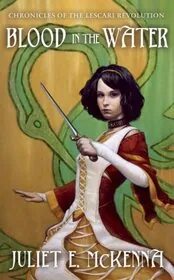
Blood in the Water
by Juliet E McKenna
2009
Tathrin, Aremil, Branca, and Failla learn what rebellion really costs as Lescar's dukes and duchesses strike back. Courage and friendship are pushed to breaking point when planning change turns into open bloodshed.
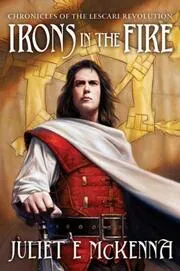
Irons in the Fire
by Juliet E McKenna
2009
Lescar's endless wars enrich its rulers and ruin everyone else. Exiles, scholars, priests, merchants, and rabble-rousers begin plotting real change, but ending civil strife will take money, allies, secrecy, and people willing to fight.
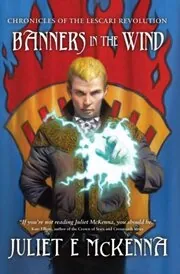
Banners in the Wind
by Juliet E McKenna
2010
The Lescari rising has gathered force, but toppling old powers is only the start. As alliances break and chaos spreads, rebels, exiles, and rulers alike must discover whether peace can be built before revenge destroys everything.
The Chronicles of the Lescari Revolution books in chronological order
Series background & context
Lescar is one of those fantasy countries that would be easy to leave in the background. It is poor, unstable, divided between rival dukes, and stuck in cycles of warfare that mostly benefit other people. The Chronicles of the Lescari Revolution takes that supposedly background place and makes it the whole point. Instead of following kings, grand sorcerers, or celebrated captains, McKenna asks what endless civil war does to the people who have to live through it.
That shift in perspective defines the trilogy. The country is carved into competing dukedoms, and every ruler thinks power can still be won by one more campaign, one more alliance, one more betrayal. Meanwhile ordinary Lescari people lose homes, crops, family, livelihoods, and any reason to believe peace will ever last. Many flee abroad. Those who stay adapt as best they can. Exiles send money home, which helps their kin survive, but also helps the broken system keep going.
Revolution here is logistics as much as heroics.
The books follow a broad cast, and that is exactly right for this kind of story. Scholars like Tathrin and Aremil, rebels like Reniack, priests such as Master Ernout and Failla, women navigating danger on every side, merchants, nobles, and hired soldiers all have parts to play. Nobody can change Lescar alone. The plot depends on letters, coin, grain, rumour, transport, and the difficult business of persuading people with very different motives to work together long enough to matter.
The novella Turns & Chances is a useful side door because it shows the spark before the full blaze. It brings together people from across Lescari society who are simply tired of paying for their rulers' ambitions. The trilogy then scales that frustration upward into conspiracy, revolt, battle, and the even harder question of what comes after success, or after something that only partly resembles success.
McKenna keeps the tone sober without making it dull. There are battles here, and high stakes, but the books never pretend violence solves everything neatly. Winning power is one thing. Building peace is another. Old grudges, wounded pride, and opportunism do not vanish just because a banner has changed hands. That gives the final stages of the story real weight.
If you like fantasy that takes economics, class, and political change seriously, this sequence is one of McKenna's most interesting. It is still full of tension and movement, but it keeps asking the awkward, useful question many fantasy revolutions avoid: once the old order cracks, who is actually going to build something better?









Edited by
Software engineer whose passion for tracking book recommendations from podcasts inspired the creation of MRB.
Lead investor at 3one4 Capital whose startup expertise and love for books helped shape MRB and its growth.
Comments
Did we miss something? Have feedback?
Help us improve this page by sharing your thoughts