
The Baroque Cycle Books in Order
Part ofNeal Stephenson Books in OrderSee The Baroque Cycle by Neal Stephenson in order, with book summaries, historical background, and tips on how this 17th‑century saga connects to his other novels.
Last updated:
As an Amazon Associate, we earn from qualifying purchases (at no extra cost to you).
This series has 1 recommender.

The Baroque Cycle books in publication order
3 books
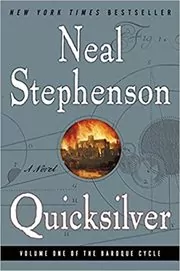
Quicksilver
by Neal Stephenson
2003
Quicksilver opens The Baroque Cycle, following Daniel Waterhouse from his student days with Isaac Newton through Restoration and Glorious Revolution politics, while introducing adventurer Jack Shaftoe and ex‑slave‑turned‑financier Eliza. Science, religion, and early capitalism collide in coffeehouses, courts, and battlefields.
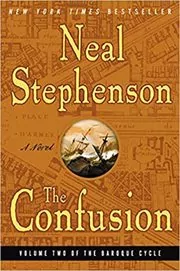
The Confusion
by Neal Stephenson
2004
The Confusion continues the saga with Jack Shaftoe’s globe‑spanning adventures—piracy, lost treasure, and improvised kingdoms—intercut with Eliza’s financial gambits in European courts. Together, their stories trace how trade, credit, and colonial plunder reshape power in the early modern world.
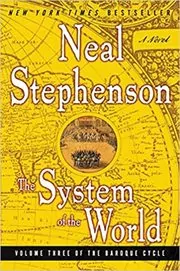
The System of the World
by Neal Stephenson
2004
The System of the World concludes The Baroque Cycle in early‑1700s London, as Daniel Waterhouse is drawn into mint reforms, assassination plots, and the bitter feud between Newton and Leibniz. Long‑running threads of science, politics, and family finally knot together.
The Baroque Cycle books in chronological order
Series background & context
The Baroque Cycle is Neal Stephenson’s three‑volume epic of science, politics, and adventure set in the late seventeenth and early eighteenth centuries. Across Quicksilver, The Confusion, and The System of the World, he follows a web of characters through revolutions in ideas and power.
At the center are three intertwined lives: Daniel Waterhouse, a dissenting English natural philosopher moving between Cambridge, London, and the early colonies; Jack Shaftoe, an illiterate but ingenious vagabond and soldier of fortune; and Eliza, a former slave who becomes a savvy trader, countess, and spy in the courts and exchanges of Europe. Their paths cross and diverge as wars, plagues, and court intrigues reshape the continent.
History here is not just background scenery but an engine driving everything from naval battles to coffee‑house debates.
Readers spend time inside the Royal Society, watching arguments over alchemy, calculus, and the nature of money; in mints, mines, and counting‑houses where new forms of credit and currency are being invented; and in markets from Amsterdam to the Mediterranean and beyond. Real figures such as Isaac Newton, Gottfried Leibniz, Louis XIV, and Peter the Great share the stage with Stephenson’s fictional cast.
Running underneath the swashbuckling is a long arc about how Europe moves from feudal hierarchies toward more scientific, commercial, and merit‑driven systems, with cryptography, coinage, and information all playing visible roles. Fans of Cryptonomicon will recognize ancestors of the Waterhouse and Shaftoe families and see how the concerns of that nearer‑to‑us novel echo back into this era.
Expect meticulous period detail, long digressions on everything from minting techniques to naval logistics, and sudden bursts of action—pirate raids, jailbreaks, sword fights, and political coups. The series rewards slow reading and is best approached as one long story broken into three hefty volumes rather than as separate stand‑alone novels.











Edited by
Software engineer whose passion for tracking book recommendations from podcasts inspired the creation of MRB.
Lead investor at 3one4 Capital whose startup expertise and love for books helped shape MRB and its growth.
Comments
Did we miss something? Have feedback?
Help us improve this page by sharing your thoughts