
The Balumnia Trilogy Books in Order
Part ofJames P Blaylock Books in OrderBrowse The Balumnia Trilogy by James P. Blaylock in order, with summaries, series background, and where to start with its eccentric fantasy quests.
Last updated:
As an Amazon Associate, we earn from qualifying purchases (at no extra cost to you).
The Balumnia Trilogy books in publication order
3 books
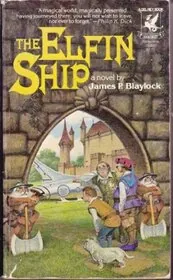
The Elfin Ship
by James P Blaylock
1982
Cheesemaker Jonathan Bing sets off downriver when his town's trade with the elves collapses. With Professor Wurzle, Dooly, and his dog Ahab, he meets goblins, magic coins, an evil dwarf, and a clock that stops time.
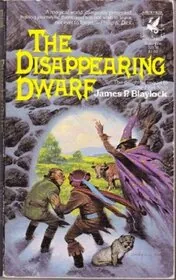
The Disappearing Dwarf
by James P Blaylock
1983
When a magical globe opens a way into Balumnia, the people of Twombly are pulled toward another strange adventure. Dwarfs, elves, goblins, and the troublesome Selznak complicate every attempt to set things right.
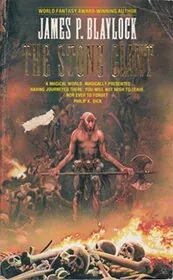
The Stone Giant
by James P Blaylock
1989
Humiliated former Twombly resident Theophile Escargot heads downriver looking for a barmaid and finds Balumnia instead. A submarine trip, an evil dwarf, a piratical elf, and a stone giant leave him fighting for love and his dignity.
The Balumnia Trilogy books in chronological order
Series background & context
The Balumnia Trilogy is James P. Blaylock's playful fantasy sequence: The Elfin Ship, The Disappearing Dwarf, and The Stone Giant. The books take place in a world of rivers, small towns, elves, dwarfs, goblins, odd devices, and travelers who tend to set off with modest goals before finding themselves tangled in much larger trouble.
The first book, The Elfin Ship, introduces Jonathan Bing, a cheesemaker from the comfortable town of Twombly. His town has long traded cheese for wonderful goods from the elves, but the usual exchange stops after a trading post is destroyed and a mysterious elfin airship begins appearing overhead. Jonathan takes to the river with Professor Wurzle, Dooly, and his dog Ahab to find out what has gone wrong.
It should have been a simple delivery trip.
Instead, the journey brings magic coins, goblins, a sinister dwarf, a skeleton, an invisibility cloak, and a watch that can stop time. The book establishes the series' basic rhythm: a cozy setting disrupted by a baffling problem, then a long wandering adventure populated by people who are funny, stubborn, unreliable, or all three.
The Disappearing Dwarf continues the story with new magical dangers involving the troublesome dwarf Selznak and a route into the strange land of Balumnia. The world expands beyond Twombly, but it keeps the same fondness for peculiar objects, river travel, accidental heroes, and quests that bend in unexpected directions.
The final novel, The Stone Giant, follows Theophile Escargot, a former citizen of Twombly who has been divorced, exiled, and embarrassed after eating his own pie. His search for a barmaid takes him by submarine into Balumnia, where Selznak, a piratical elf, a stone giant, and a deeply unlucky bag of marbles complicate matters. He has a chance to rescue the woman he loves, help the elves, and reclaim some dignity along the way.
These are adventures with room to be silly.
The series is often compared to classic quest fantasy, but it is not interested in solemn heroes or grand military campaigns. Its stakes are real, yet the books make space for food, gossip, grievances, bad bargains, and comic detours. The characters frequently act from ordinary motives, love, pride, comfort, curiosity, or a desire not to look foolish, which gives the fantasy world a warm, human feel.
Start with The Elfin Ship and continue in order. The books share places, history, and recurring threats, but each has its own lead character and central adventure. Readers looking for whimsical fantasy, offbeat humor, and a quest that is happy to take the scenic route will find Balumnia a good place to begin.









Edited by
Software engineer whose passion for tracking book recommendations from podcasts inspired the creation of MRB.
Lead investor at 3one4 Capital whose startup expertise and love for books helped shape MRB and its growth.
Comments
Did we miss something? Have feedback?
Help us improve this page by sharing your thoughts