
The Art of Hearing Heartbeats Books in Order
Part ofJan Philipp Sendker Books in OrderSee The Art of Hearing Heartbeats books by Jan Philipp Sendker in order, with summaries, series background, and a clear guide to where to start.
Last updated:
As an Amazon Associate, we earn from qualifying purchases (at no extra cost to you).
The Art of Hearing Heartbeats books in publication order
3 books
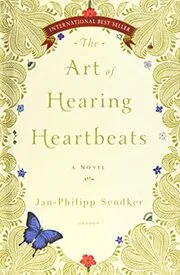
The Art of Hearing Heartbeats
by Jan Philipp Sendker
2002
When her father vanishes, New York lawyer Julia Win follows an old love letter to Burma. There she uncovers a hidden history of hardship, devotion, and a love story that changes everything she thought she knew about her family.
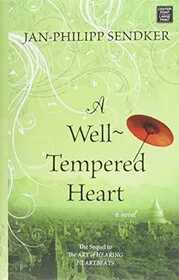
A Well-Tempered Heart
by Jan Philipp Sendker
2012
Nearly ten years after her first trip to Burma, Julia Win is successful but adrift. A mysterious voice draws her back, where her own crisis becomes entwined with a Burmese mother's struggle to protect her sons.

The Heart Remembers
by Jan Philipp Sendker
2021
Twelve-year-old Ko Bo Bo can read emotions in people's eyes, but he can't understand why his mother stays away. When he learns the story of his parents' love and her illness, he sets out across Burma to reunite his family.
The Art of Hearing Heartbeats books in chronological order
Series background & context
The Art of Hearing Heartbeats series is built around love, family history, and the way one story can echo through several lives. It begins with Julia Win, a New York lawyer trying to understand why her father disappeared. Her search takes her from Manhattan to Burma, where she starts to uncover the hidden life he left behind. From there, the series opens into something larger than a simple mystery, part romance, part family saga, part quiet spiritual tale.
At the center of the first novel are Tin Win and Mi Mi, two people marked by hardship who learn to meet the world in unusual ways. Tin Win is blind, and that shapes the whole feel of the story. These books pay close attention to sound, touch, memory, and emotion, not just to what can be seen. The result is intimate, but never small.
Burma matters here.
Sendker uses villages, monasteries, lakes, crowded roads, and the pull between city life and rural life to shape the emotional world of the series. The setting is not decorative. It helps explain the patience of the characters, the weight of duty, and the quiet strength that runs through the books. History is always nearby too, especially war, political upheaval, and the damage done when public events cut into private lives.
The later books widen the circle. A Well-Tempered Heart returns to Julia years after her first trip, when she is successful on paper but deeply adrift in her private life. Her story is braided with that of Nu Nu, a Burmese mother facing war and the threat of losing her sons. The Heart Remembers then shifts toward twelve-year-old Ko Bo Bo, a perceptive child who can read emotion in people's eyes and sets out to heal the broken story of his own family. The thread linking all three novels is simple and strong: love can endure, but it rarely comes without cost.
There is also a companion volume, The Long Path to Wisdom, which gathers Burmese folktales and fables that sit very naturally beside the novels. If you like the series for its oral storytelling feel, its emotional sincerity, and its quiet sense of wonder, that book makes a useful side trip. It shows some of the older story traditions that live in the background of the fiction.
Overall, this is a gentle but not lightweight series. The pace is reflective, the stakes are emotional, and there is a touch of the mystical without the books losing sight of ordinary human feeling. Expect stories about longing, forgiveness, separation, return, and the stubborn hope that people can still find one another after years of silence.











Edited by
Software engineer whose passion for tracking book recommendations from podcasts inspired the creation of MRB.
Lead investor at 3one4 Capital whose startup expertise and love for books helped shape MRB and its growth.
Comments
Did we miss something? Have feedback?
Help us improve this page by sharing your thoughts