
The African Trilogy Books in Order
Part ofPeter Matthiessen Books in OrderSee The African Trilogy by Peter Matthiessen in order, with summaries, series background, reading notes, and help choosing where to start.
Last updated:
As an Amazon Associate, we earn from qualifying purchases (at no extra cost to you).
The African Trilogy books in publication order
3 books
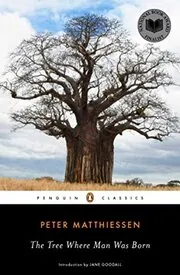
The Tree Where Man Was Born
by Peter Matthiessen
1972
Matthiessen travels across East Africa, writing about herdsmen, hunter-gatherers, predators, and the deep human history of the land. It is vivid nature writing, but also a grounded look at politics, culture, and change.
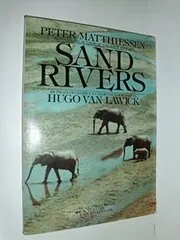
Sand Rivers
by Peter Matthiessen
1981
Set largely in Tanzania's Selous Game Reserve, this book looks at wildlife, landscape, and the people trying to protect a vast and difficult place. It is one of Matthiessen's most focused African books, intimate and wide at once.
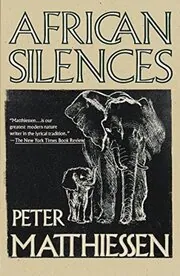
African Silences
by Peter Matthiessen
1991
Returning to African landscapes he had known before, Matthiessen finds a quieter and more troubled world. The book asks hard questions about conservation, tourism, and what is left when the old abundance begins to thin out.
The African Trilogy books in chronological order
Series background & context
The trilogy label is a little misleading.
The African Trilogy is not a single continuous story with one cast moving from book to book. It is a set of three linked nonfiction journeys, The Tree Where Man Was Born, Sand Rivers, and African Silences, in which Peter Matthiessen returns to East and southern Africa over time. What ties them together is not plot but perspective: a writer and naturalist trying to understand animals, landscapes, and the human pressures closing in around them.
In The Tree Where Man Was Born, Matthiessen moves through East Africa with a watchful, roving eye. He writes about herdsmen, hunter-gatherers, predators, birds, and the huge open settings that make the region feel almost mythic at first glance. But the book is not dreamy safari writing. He notices conflict, history, and the way politics and land use shape what can still survive there.
Sand Rivers narrows the focus in a useful way. Here the center is the Selous Game Reserve in Tanzania, a vast, difficult, less-touristed landscape where animals still seem to live on a grand scale and where the human figures matter just as much. Rangers, trackers, local experts, and the men who tried to protect or define the reserve come into view. The result feels more intimate, even when the setting is immense.
The animals are never just scenery.
By the time Matthiessen reaches African Silences, the tone grows darker and more searching. He returns to places he had known before and finds harder truths waiting for him. Wildlife is thinner on the ground. Conservation talk can sound noble while real damage continues. Tourism, poaching, development, and population pressure all sit in the background, and sometimes right in the foreground. The book asks what it means to love wild places honestly when you also have to admit how fast they are changing.
These are not safari thrillers.
What readers usually get from this trilogy is a blend of travel writing, field observation, natural history, and moral reckoning. Matthiessen is interested in animals, but also in the people living beside them, the afterlife of colonial rule, and the uneasy idea of wilderness itself. The books move between wonder and alarm, sometimes within a page or two.
If you are coming here for a conventional narrative arc, this series may surprise you. If you want clear-eyed writing about Africa's wildlife and landscapes, and about the human stories wrapped around them, this is where Matthiessen is at his most searching. The three books deepen each other. Together they show a writer coming back to the same continent not to confirm an old romance, but to test it against reality.





Edited by
Software engineer whose passion for tracking book recommendations from podcasts inspired the creation of MRB.
Lead investor at 3one4 Capital whose startup expertise and love for books helped shape MRB and its growth.
Comments
Did we miss something? Have feedback?
Help us improve this page by sharing your thoughts