
Peter Matthiessen Books in Order
Explore Peter Matthiessen books in order, with short summaries, related series, background notes, and easy where to start guidance for new readers.
Last updated:
As an Amazon Associate, we earn from qualifying purchases (at no extra cost to you).
Peter Matthiessen books in publication order
41 books
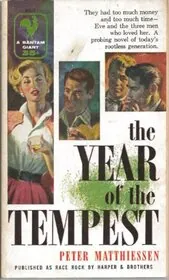
The Year of the Tempest
by Peter Matthiessen
1957
An early novel about people pushed off balance by desire, disillusion, and mounting unrest. Matthiessen is less interested in tidy resolution than in the pressure building inside a damaged social world.
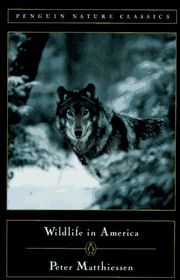
Wildlife in America
by Peter Matthiessen
1959
One of Matthiessen's earliest major nonfiction books, this is a sweeping history of North America's disappearing wildlife. He traces loss species by species, while also showing the beginnings of modern conservation.
Raditzer
by Peter Matthiessen
1961
Charley Stark rejects the life expected of him and heads into the Navy, where he meets the unsettling sailor Raditzer. Their warped bond becomes a sharp study of envy, guilt, and self-deception.
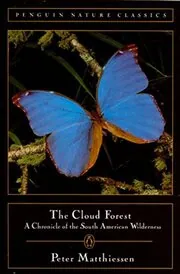
The Cloud Forest
by Peter Matthiessen
1961
Matthiessen crosses South America from the Amazon to the Andes and down toward Tierra del Fuego. The result is a tough, curious travel book full of rivers, ruins, wildlife, and the fading edges of wilderness.
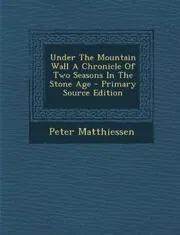
Under The Mountain Wall
by Peter Matthiessen
1962
Drawn from a 1961 expedition to New Guinea, this book records close contact with the Kurelu people in a remote highland valley. It is part travel narrative, part anthropology, and part meditation on a culture under first outside pressure.
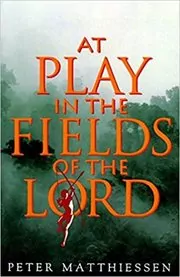
At Play in the Fields of the Lord
by Peter Matthiessen
1965
In the South American rainforest, a missionary and a mercenary collide around the fate of an Indigenous community. Matthiessen turns that setup into a tense, morally difficult novel about faith, violence, and cultural destruction.
Recommended by
2 people Sebastian Junger recommended this book
Sebastian Junger
Sebastian Junger's answer to "what is the book that you have given to others most often as a gift?"
Sebastian Junger's recommendation of this book  Patrick O'Shaughnessy recommended this book
Patrick O'Shaughnessy
"Plot, writing, characters, big ideas. This book has it all." - Patrick O'Shaughnessy
Patrick O'Shaughnessy's recommendation of this book
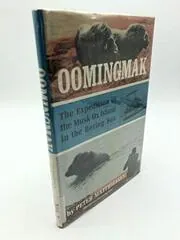
Oomingmak
by Peter Matthiessen
1967
Matthiessen joins an expedition to capture young musk ox calves in the Bering Sea and begin a herd in Alaska. The book is short, exact, and full of respect for the animals, the land, and the people working among them.
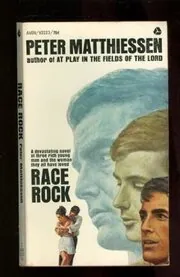
Race Rock
by Peter Matthiessen
1969
Set over a long weekend in a New England fishing village, this early novel follows four damaged young people through drink, desire, and old grievances. It is intimate, tense, and already interested in lives pulled off course.
Sal Si Puedes
by Peter Matthiessen
1970
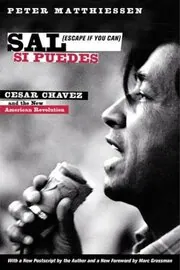
After meeting Cesar Chavez in 1968, Matthiessen spent years following the farmworker movement up close. This book gives a detailed, human view of Chavez, nonviolence, strikes, sacrifice, and the wider politics of the era.
Blue Meridian
by Peter Matthiessen
1971
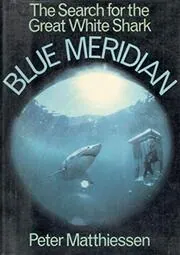
Part ocean adventure and part making-of narrative, this book follows a long expedition to photograph the great white shark underwater. Matthiessen brings the danger, obsession, and uneasy awe of the search vividly to life.
The Seal Pool
by Peter Matthiessen
1972
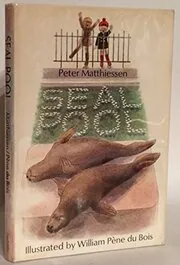
A brief, sea-minded early work centered on seals and the harsh rhythms of the coast. Matthiessen watches the animals closely while keeping the larger question of survival in view.
The Tree Where Man Was Born
by Peter Matthiessen
1972
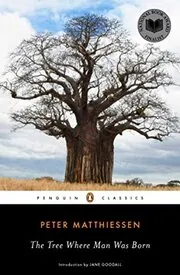
Matthiessen travels across East Africa, writing about herdsmen, hunter-gatherers, predators, and the deep human history of the land. It is vivid nature writing, but also a grounded look at politics, culture, and change.
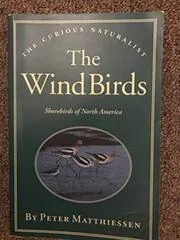
The Wind Birds
by Peter Matthiessen
1973
Matthiessen follows shorebirds across astonishing distances, from Long Island to the far south of the hemisphere. It is both a natural history of migration and an elegy for birds long hunted, diminished, or pushed to the edge.

Far Tortuga
by Peter Matthiessen
1975
A crew of Caribbean turtle fishermen sail the Lillias Eden in search of a vanishing catch and an older way of life. The plot is spare, but the sea, the voices, and the looming sense of loss carry enormous force.
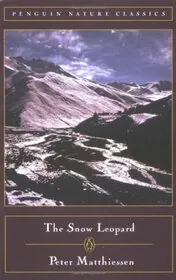
The Snow Leopard
by Peter Matthiessen
1978
Traveling through Nepal with biologist George Schaller, Matthiessen searches for blue sheep and, maybe, a glimpse of the snow leopard. The journey becomes a deep book of grief, attention, and spiritual inquiry.
Recommended by
1 person- Patrick O'Shaughnessy recommended this book
Patrick O'Shaughnessy
"You’ll love this book if you like any of the following: travel writing, philosophy, Zen, Buddhism, navel-gazing, the Himalayas." - Patrick O'Shaughnessy
Patrick O'Shaughnessy's recommendation of this book
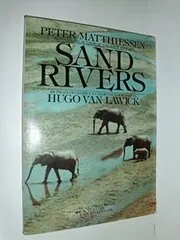
Sand Rivers
by Peter Matthiessen
1981
Set largely in Tanzania's Selous Game Reserve, this book looks at wildlife, landscape, and the people trying to protect a vast and difficult place. It is one of Matthiessen's most focused African books, intimate and wide at once.
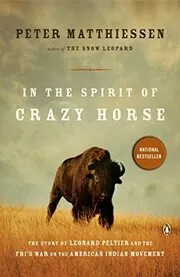
In the Spirit of Crazy Horse
by Peter Matthiessen
1983
Matthiessen examines Leonard Peltier, the American Indian Movement, and the violence surrounding Pine Ridge in the 1970s. It is an investigative book with a long historical reach and a strong sense of moral urgency.
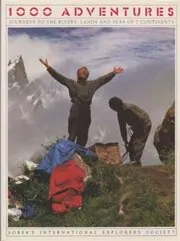
1000 Adventures
by Peter Matthiessen
1984
This compact adventure sampler ranges across rivers, mountains, coastlines, and far-flung journeys on every continent. It mixes travel inspiration with short pieces and snapshots from experienced explorers and travel writers.
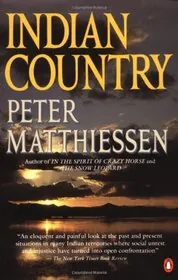
Indian Country
by Peter Matthiessen
1984
Traveling across Native American lands, Matthiessen writes about dispossession, survival, sacred places, and modern struggle. The book is both a witness to loss and a record of communities that refused to disappear.
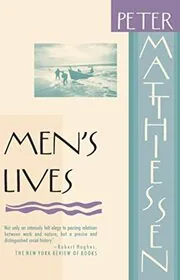
Men's Lives
by Peter Matthiessen
1986
An elegy for the surfmen and baymen of Long Island's South Fork, this book records a hard local culture under pressure from development, pollution, and changing economics. It is intimate social history with salt still on it.
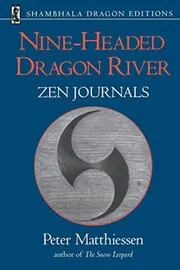
Nine-Headed Dragon River
by Peter Matthiessen
1986
These Zen journals gather Matthiessen's reflections from years of practice, travel, and ordinary struggle. The book moves between retreat life and daily life, showing how spiritual discipline can sharpen rather than soften the world.
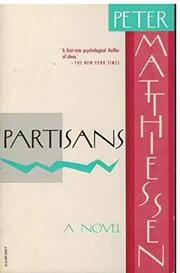
Partisans
by Peter Matthiessen
1987
Set in postwar Paris, this early novel follows Americans and Europeans moving through politics, memory, and private betrayals. The city is restless, and so are the people trying to make a life inside it.
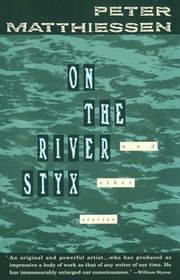
On the River Styx and Other Stories
by Peter Matthiessen
1989
This story collection gathers sharp, often unsettling fiction about men and women on exposed ground, emotional, geographic, or moral. Wild places, pressure, and hard reckonings run through the book.

Killing Mister Watson
by Peter Matthiessen
1990
The first Watson novel begins with the 1910 killing of E. J. Watson and rebuilds his life through many competing voices. Frontier Florida feels lawless, intimate, and full of rumor, fear, and fascination.
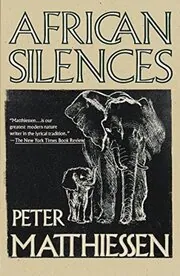
African Silences
by Peter Matthiessen
1991
Returning to African landscapes he had known before, Matthiessen finds a quieter and more troubled world. The book asks hard questions about conservation, tourism, and what is left when the old abundance begins to thin out.
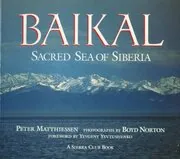
Baikal
by Peter Matthiessen
1992
Matthiessen joins a journey across Lake Baikal, the ancient Siberian lake revered for its beauty and threatened by pollution. He writes about wildlife, folklore, local voices, and the environmental stakes of the region.
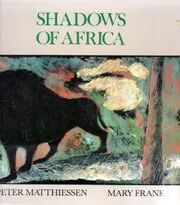
Shadows of Africa
by Peter Matthiessen
1992
This short, image-rich meditation grows out of Matthiessen's African travels. Animals, myth, and landscape come together in a quiet, reflective book about wonder, distance, and what wildness still asks of us.

Red and Blue Days
by Peter Matthiessen
1993
This essay collection turns to the American West, mixing landscape writing, human encounter, and environmental concern. It is Matthiessen in reflective nonfiction mode, attentive to place and to the pressures closing in on it.
Conversations with Peter Matthiessen
by Peter Matthiessen
1994
A wide-ranging interview collection that lets Matthiessen talk in his own voice about fiction, nonfiction, Zen, travel, politics, and the practical work of writing. It is a strong companion to the books themselves.
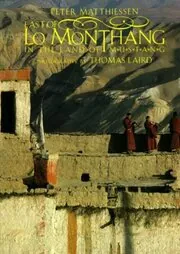
East of Lo Monthang
by Peter Matthiessen
1995
Matthiessen journeys into Nepal's remote Mustang region, a high desert kingdom long closed to outsiders. The book blends travel, history, religion, and mountain landscape in a vivid account of a place on the edge of change.
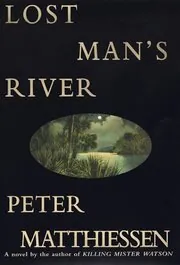
Lost Man's River
by Peter Matthiessen
1997
Years after E. J. Watson's death, his son Lucius tries to understand the man behind the legend. The search becomes a haunting book about family inheritance, memory, and the slippery nature of truth.
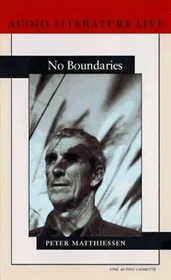
No Boundaries
by Peter Matthiessen
1997
In this spoken-word self-portrait, Matthiessen reflects on travel, activism, Zen, and the long road into writing. It works as a personal introduction to the many strands of his life and work.
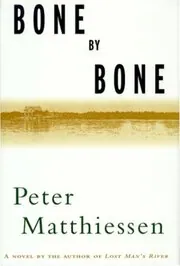
Bone by Bone
by Peter Matthiessen
1999
The final Watson novel turns more fully toward Watson himself, tracing the desires and violences that shaped his rise. It deepens the Everglades saga by showing the frontier from inside one of its most dangerous men.
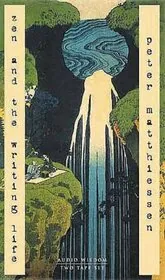
Zen and the Writing Life
by Peter Matthiessen
1999
A compact reflection on craft and practice, this book links writing to the habits of attention that Zen encourages. Matthiessen thinks about patience, ego, discipline, and the long, quiet work behind the page.
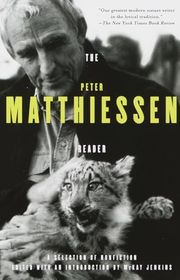
The Peter Matthiessen Reader
by Peter Matthiessen
2000
A single-volume introduction to Matthiessen's nonfiction, drawing from his nature writing, travel books, and political reporting. It is a smart place to sample the range of his interests without committing to one corner first.
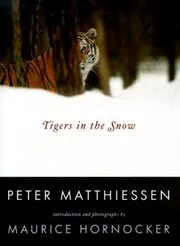
Tigers in the Snow
by Peter Matthiessen
2000
Matthiessen travels into the Russian Far East to follow scientists and conservationists working to save the Siberian tiger. The book is both a close look at a magnificent predator and a warning about how fragile its world has become.
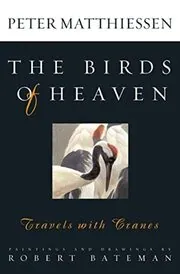
The Birds of Heaven
by Peter Matthiessen
2001
In this globe-spanning bird book, Matthiessen travels in search of the world's remaining crane species. He combines field observation, conservation history, and the stubborn devotion of the people trying to keep these birds alive.
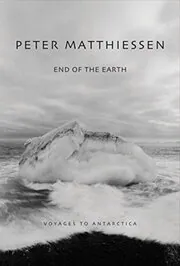
End of the Earth
by Peter Matthiessen
2003
Matthiessen heads south to Antarctica and its surrounding seas, writing about penguins, seals, whales, and the strange pull of the frozen continent. It is part voyage, part nature study, and part meditation on beauty at the edge of the world.
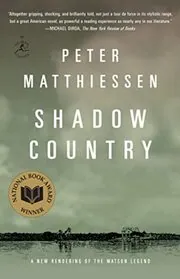
Shadow Country
by Peter Matthiessen
2008
Matthiessen's one-volume reworking of the Watson trilogy reshapes the legend of E. J. Watson into a single vast novel. It is historical frontier drama, family saga, and moral reckoning set in the haunted Florida Everglades.
Are We There Yet?
by Peter Matthiessen
2010
This reflective travel book follows Peter Matthiessen and Zen teacher Bernie Glassman on a 1982 pilgrimage through Japan. With photographs by Peter Cunningham, it links living teachers, old lineages, and the spread of Zen from Asia to the West.
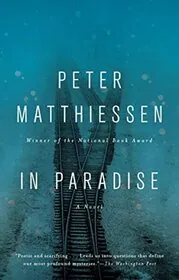
In Paradise
by Peter Matthiessen
2014
At a retreat held at the site of a former death camp, Clements Olin joins a group searching for prayer, witness, and meaning. As the week unfolds, history, identity, and buried tensions become impossible to hold at a distance.
Where to start with Peter Matthiessen
If you want a classic nature and travel book: The Snow Leopard → The Tree Where Man Was Born → End of the Earth
If you want big, immersive fiction: At Play in the Fields of the Lord → Far Tortuga → Shadow Country
If you want social and political nonfiction: Sal Si Puedes → In the Spirit of Crazy Horse → Indian Country
If you want his Zen writing: Nine-Headed Dragon River → Are We There Yet?
Peter Matthiessen sub-series and character series
The African Trilogy books in order
Explore this seriesThe African Trilogy books in chronological order
Peter Matthiessen collections, short stories, and related book types
Collections
Non-Fiction
Shambhala Dragon Editions
Standalone Peter Matthiessen books
Author bio
Peter Matthiessen was born in New York City in 1927 and grew up between the city and Connecticut in a family with money, good schools, and a strong interest in the natural world. As a boy he became absorbed by animals, birds, and wild places, and that early attention never really left him. It shaped the subjects he chose, the landscapes he entered, and the way he looked at people living close to land and water.
After Navy service in the late 1940s, he studied at Yale and spent a year at the Sorbonne in Paris. He was already writing seriously by then, and one of his early short stories won a prize from The Atlantic. He did not arrive at writing through a tidy academic plan. He came to it through curiosity, discipline, and a deep need to get out into the world and test himself against it.
Paris changed everything.
In the early 1950s he returned there, moved among young expatriate writers, helped found The Paris Review, and later acknowledged that he had also worked briefly for the CIA while abroad. It sounds improbable because it was. But that odd overlap of literature, travel, and Cold War politics became part of his story. Back in the United States, he spent years as a commercial fisherman and charter-boat captain on Long Island, and that working life gave him weather, labor, and hard-earned detail that stayed in his books.
His nonfiction broke open with Wildlife in America, an early and forceful account of vanishing species and damaged habitat. From there he kept moving outward, into South America in The Cloud Forest, New Guinea in Under The Mountain Wall, East Africa in The Tree Where Man Was Born, and the Himalayas in The Snow Leopard. Readers often come to these books for the animals and the travel, but they stay for something else too: the grief under the observation, the moral unease, and the sense that beauty and loss are almost always bound together.
The Snow Leopard became his best-known nonfiction book, and it is still one of the clearest ways into his work. Built around a journey in Nepal with field biologist George Schaller, it is part expedition narrative, part grief book, and part spiritual search. That mix mattered to Matthiessen. He was never only reporting what he saw. He was also trying to understand what the seeing did to him.
Fiction mattered just as much to him.
He often said he thought of himself first as a novelist, and books like At Play in the Fields of the Lord, Far Tortuga, and later Shadow Country show why. Again and again he wrote about people living at the edge of settled power, missionaries, fishermen, drifters, settlers, hunters, and men trying to master places that will not be mastered. His fiction can be rough, strange, and demanding, but readers who love it usually love the same things they love in the nonfiction: the physical world, the moral pressure, and the refusal to make anyone too simple.
Zen Buddhism became central to his life as well. He practiced for decades, became a Zen priest, and wrote directly about that side of himself in books such as Nine-Headed Dragon River and Are We There Yet?. He also turned his attention toward politics and justice in books like Sal Si Puedes, about Cesar Chavez, and In the Spirit of Crazy Horse, about Leonard Peltier, the American Indian Movement, and the violence at Pine Ridge. Different subjects, same habit of mind. He kept returning to people pushed to the margins, and to the damage done when power stops listening.
Matthiessen spent much of his later life in Sagaponack on Long Island, where he had lived for decades. He died there in 2014, only days before the publication of his final novel, In Paradise. By then he had built one of the widest and strangest careers in American writing, naturalist, reporter, activist, Zen teacher, and novelist, with each part feeding the others.







Edited by
Software engineer whose passion for tracking book recommendations from podcasts inspired the creation of MRB.
Lead investor at 3one4 Capital whose startup expertise and love for books helped shape MRB and its growth.
Comments
Did we miss something? Have feedback?
Help us improve this page by sharing your thoughts