
Tales of the East Books in Order
Part ofFaith Blum Books in OrderSee the Tales of the East books in order by Faith Blum, with quick summaries, reading order help, series background, and tips on where to begin.
Last updated:
As an Amazon Associate, we earn from qualifying purchases (at no extra cost to you).
Tales of the East books in publication order
5 books
Lo, How a Rose
by Faith Blum
2018
Rapha, a brutalized Philistine slave, flees into the desert after a murder accusation. Compassionate Nava refuses to give up on him, setting off a biblical retelling about prejudice, mercy, and trust.
Trust and Obey
by Faith Blum
2018
Hadassah and Gidal are taken as slaves when their parents cannot pay a debt to Priestess Basmat. Their struggle for endurance unfolds alongside King Saul's desperate visit to the medium of Endor.
Rock of Ages
by Faith Blum
2019
Chileab, one of King David's sons, longs for his father's approval and heads into the desert to find kidnapped healer's daughter Rina. Their story blends rescue, faith, and family wounds in a biblical retelling with fairy-tale notes.
The Haven of Rest
by Faith Blum
2019
Adah, a neglected daughter of King David, plans a grand concert with twelve sisters to win the attention she has missed for years. Her scheme brings worry and restlessness to the surface in this biblical retelling.
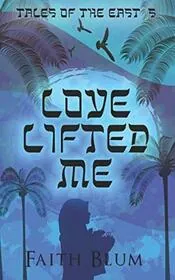
Love Lifted Me
by Faith Blum
2020
After her parents die, Elaheh is worked nearly to the bone by her lazy brothers. When Prince Solomon hears her plea, he looks for a way to help, and a Cinderella-like romance begins inside a very unequal household.
Tales of the East books in chronological order
Series background & context
Tales of the East takes Faith Blum's interest in history in a very different direction from her western fiction. Instead of frontier towns and stagecoaches, these books move into the world of the Old Testament, especially the eras of Saul, David, and Solomon. They read like biblical fiction with a fairy-tale echo. Each novel stands on its own, but together they build a picture of ordinary people, royal children, servants, and outsiders trying to live faithfully inside a dangerous and deeply unequal world.
The first book, Trust and Obey, begins in the time of Saul and immediately shows what kind of series this is. Hadassah and Gidal are taken as slaves when their parents cannot pay a debt, and their story unfolds around Priestess Basmat and Saul's desperate visit to a medium. That blend of private suffering and well-known biblical events carries through the rest of the series. Blum does not stay only in palaces or battlefields. She is just as interested in homes, debts, chores, and the fear that comes from living under powerful people.
Later books shift across the generations around David and Solomon. Lo, How a Rose pairs Rapha, a Philistine slave on the run, with Nava, a compassionate young woman who refuses to stop seeing his humanity. Rock of Ages follows Chileab, one of David's sons, and ties his search for approval to the kidnapping of the healer's daughter, Rina. The Haven of Rest centers on Adah, a neglected daughter of David who tries to win attention by organizing a performance with her sisters. Love Lifted Me moves into Solomon's time and gives Cinderella notes to Elaheh's struggle against her controlling brothers.
That ancient setting matters in every book. Family rank shapes a person's options. Slavery, debt, tribal identity, and royal power are facts of life, not just scenery. So are worship and spiritual loyalty. Blum often uses terms like Adonai, abba, and Yahweh, which helps the stories feel rooted in their biblical world without making them hard to follow.
The main tension across the series is trust, in God, in family, and in people who look or live differently from us. Some characters are neglected. Some are enslaved. Some are trapped by pride or by their hunger for approval. Even when a book includes romance, rescue, or a fairy-tale framework, the emotional stakes stay grounded. The characters want safety, dignity, belonging, and rest. They often have to choose those things in circumstances where they have very little power.
The books are gentler than epic fantasy and more intimate than a sweeping biblical saga.
If you like retellings but want them filtered through scripture rather than castles and ballrooms, this series has a clear identity. The books are best read as companions rather than as one long plot, because each novel changes leads and focus. What carries over is the voice: warm, earnest, and interested in how faith works itself out in work, family life, danger, and longing. Tales of the East feels especially good for readers who enjoy biblical fiction that stays close to human scale.






Edited by
Software engineer whose passion for tracking book recommendations from podcasts inspired the creation of MRB.
Lead investor at 3one4 Capital whose startup expertise and love for books helped shape MRB and its growth.
Comments
Did we miss something? Have feedback?
Help us improve this page by sharing your thoughts