
Tales Of Elemental Spirits Books in Order
Part ofRobin McKinley Books in OrderExplore the Tales of Elemental Spirits books by Robin McKinley and Peter Dickinson in order, with summaries, series background, and reading guidance.
Last updated:
As an Amazon Associate, we earn from qualifying purchases (at no extra cost to you).
Tales Of Elemental Spirits books in publication order
2 books
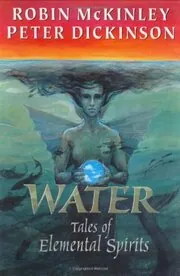
Water
by Robin McKinley
2002
In this collaborative collection with Peter Dickinson, six fantasy stories revolve around the pull of water. Sea magic, mysterious beings, and quietly uncanny adventures link the tales, with one story returning to the world of Damar.
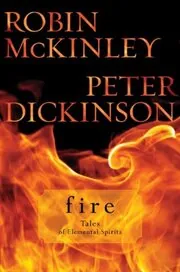
Fire
by Robin McKinley
2009
This story collection, written with Peter Dickinson, builds five fantasies around the element of fire. Dragons, spirits, graveyard mysteries, and dangerous magic give the book a lively, varied spark.
Tales Of Elemental Spirits books in chronological order
Series background & context
The Tales of Elemental Spirits books are best thought of as companion anthologies, not a conventional series with one cast and one plot. Water, created with Peter Dickinson, came first, and Fire followed with the same basic idea: take one element and build a whole set of fantasy stories around it. The connection is thematic rather than narrative. You move from world to world, voice to voice, and mood to mood, but the books still feel related because they keep asking what an element means in folklore, in magic, and in ordinary human longing.
Water flows differently than fire, and the stories know it.
In Water, the recurring pull is depth, mystery, and change. The collection moves through seas, shorelines, pools, guardians, and strange water-bound beings. Some stories lean toward fairy tale, some toward myth, and some toward quiet coming-of-age fantasy. Robin McKinley readers will also spot a return to Damar, which gives the book an extra link to one of her best-known worlds. The overall feeling is fluid, eerie, and a little dreamy, with danger always close by.
In Fire, the tone shifts. Fire can warm, protect, guide, or destroy, and the stories make room for all of that. There are dragons, spirit journeys, graveyard unease, and people who discover that flame is never just background light. The book is a little sharper and more volatile in feel, but it still keeps the wonder that runs through the first volume. The stories are varied on purpose, so one may feel adventurous while the next feels uncanny or sad.
Because these are collaborations, part of the fun is seeing how two fantasy writers approach the same idea from different angles. The stories are separate, but the books hang together through image, atmosphere, and contrast. You are not settling in with one hero for hundreds of pages. You are sampling a whole cabinet of magical possibilities, each shaped by the element at its center.
They are excellent books for readers who like fantasy in smaller bites.
If you want a sweeping saga, this may not be the first McKinley stop. But if you like short fiction, folklore, elemental symbolism, and stories that can turn from tender to uncanny in a few pages, these collections are rewarding. Read Water first if you want the gentler introduction and the broader mythic sweep. Read Fire when you want something a little fiercer. Either way, the promise is the same: magic shaped by the oldest things in the world.




Edited by
Software engineer whose passion for tracking book recommendations from podcasts inspired the creation of MRB.
Lead investor at 3one4 Capital whose startup expertise and love for books helped shape MRB and its growth.
Comments
Did we miss something? Have feedback?
Help us improve this page by sharing your thoughts