
Folktales Books in Order
Part ofRobin McKinley Books in OrderBrowse the Folktales books by Robin McKinley in order, with short summaries, retelling notes, series background, and help choosing where to start.
Last updated:
As an Amazon Associate, we earn from qualifying purchases (at no extra cost to you).
Folktales books in publication order
3 books
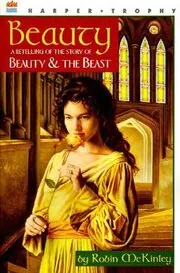
Beauty
by Robin McKinley
1978
When her father angers a Beast by taking a rose, Beauty offers herself in his place. McKinley's debut turns a familiar fairy tale into a warm, thoughtful story about courage, kindness, and love growing slowly.
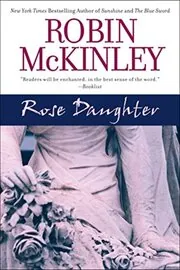
Rose Daughter
by Robin McKinley
1997
Beauty and her sisters lose their old life and begin again in a small, overgrown cottage. As roses bloom and the old tale closes in, Beauty must face the Beast and the cost of loving what frightens her.
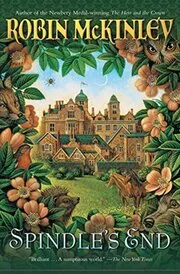
Spindle's End
by Robin McKinley
2000
McKinley reshapes Sleeping Beauty into a bigger, stranger fairy tale. When a baby princess is cursed, magic-worker Katriona hides her away in the countryside, where growing up safely proves harder than anyone expects.
Folktales books in chronological order
Series background & context
The Folktales books are not a strict series with one timeline. They are a loose shelf of Robin McKinley retellings, fairy-tale novels, and story collections that keep circling the same question: what happens when an old story is taken seriously, emotionally and practically, by the girl living inside it? That is why books as different as Beauty, Rose Daughter, Spindle's End, Deerskin, and The Door in the Hedge still belong together. They share a method, even when the tone changes.
McKinley likes the bones of the old tale, but she never leaves them bare.
Her best-known folktale books start from familiar ground. Beauty and Rose Daughter both revisit Beauty and the Beast, but they are not duplicate exercises. One is cleaner and more direct, the other more tangled, domestic, and overgrown. Spindle's End opens with the shape of Sleeping Beauty and then fills the world with village life, fairy work, animals, and the stubborn business of growing up. In each case, the magic matters, but so do chores, weather, gardens, friendships, and the daily texture of being alive.
That attention to ordinary detail is one of the things that makes these books feel so welcoming. McKinley's heroines are often capable, awkward, lonely, observant, or underestimated, sometimes all at once. They do not wait around to be admired. They think, work, worry, and keep going. Even when the stories bring in curses, beasts, or dangerous enchantments, the emotional center stays human and close to the ground.
Not every book in this grouping has the same age range or mood, and that is worth knowing up front. The Door in the Hedge offers shorter fairy-tale pieces and is a good place to see McKinley working in a compact form. Deerskin is something else entirely, a much darker retelling that deals with trauma and recovery and is written for older readers. The shared thread is still there, but the reading experience is much heavier.
So this is a folktale shelf with real range.
What links it all is McKinley's way of making the marvelous feel lived in. Her castles are places where people get cold, hungry, muddy, or tired. Her enchantments have rules, texture, and consequences. Her retellings do not exist just to update a plot point or flip a trope. They exist because she is interested in the pressure old stories put on real people. If you like retellings that keep the wonder but add weather, work, wit, and a lot more inner life, this is one of the strongest corners of her bibliography.





Edited by
Software engineer whose passion for tracking book recommendations from podcasts inspired the creation of MRB.
Lead investor at 3one4 Capital whose startup expertise and love for books helped shape MRB and its growth.
Comments
Did we miss something? Have feedback?
Help us improve this page by sharing your thoughts