
Paul Harley Books in Order
Part ofSax Rohmer Books in OrderExplore the Paul Harley series by Sax Rohmer in order, with short summaries, reading order, series background, and easy where-to-start guidance.
Last updated:
As an Amazon Associate, we earn from qualifying purchases (at no extra cost to you).
Paul Harley books in publication order
3 books
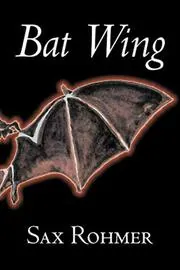
Bat Wing
by Sax Rohmer
1920
Paul Harley investigates a bat-wing omen and a supposed Obeah threat at an isolated house. Fear, old grudges, and murder turn the case into one of Rohmer's best eerie mysteries.
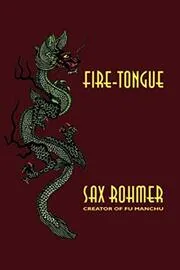
Fire-Tongue
by Sax Rohmer
1921
A client dies in Paul Harley's office, leaving only the words Fire-Tongue and Nicol Brinn behind. Those fragments open into an international plot with deep roots and a great deal of danger.
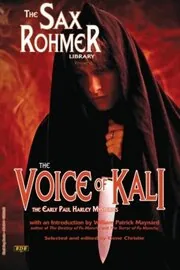
The Voice of Kali
by Sax Rohmer
2013
Harley of the Foreign Office is called to a quiet English house where a hidden Eastern menace, known as the Listening Death, may already be at work. The story is brief, tense, and wonderfully strange.
Paul Harley books in chronological order
Series background & context
Paul Harley is one of Sax Rohmer's most appealing investigators because he stands between two worlds. On the one hand, he is a professional problem-solver, a consulting detective who listens carefully, studies people, and follows the facts. On the other, he keeps getting cases that look as if they might have stepped out of a nightmare. That tension is what makes the series work.
In the main novels, especially Bat Wing and Fire-Tongue, the story usually begins with a worried visitor, an odd warning, or a violent interruption that makes no immediate sense. Harley takes the case, often with his friend Knox close by, and what first seems like an ordinary crime opens into something much stranger. Rohmer gives him Obeah threats, cryptic dying words, colonial backstories, missing papers, impossible timings, and houses full of dread.
The setting matters a lot. Harley's world is made of lonely country houses, London chambers, old estates, private studies, and drawing rooms where everyone is saying less than they know. Even when the explanation turns out to be human, the path there is heavy with dread. Rohmer was very good at making a corridor, a staircase, or a locked room feel charged before anything openly happens.
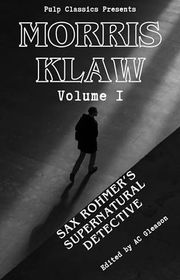
Harley is not an occult detective in the full Morris Klaw sense, but he often has to work through superstition, rumor, and fear before he can reach the truth.
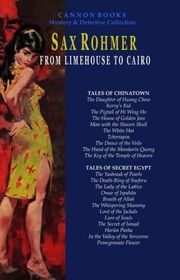
The shorter Paul Harley pieces, including stories associated with Tales of Chinatown, widen the range. They show him in a more urban setting and let Rohmer mix quick crime plotting with his favorite themes of disguise, empire, hidden societies, and private obsession. Across the series, Harley stays steady. He is intelligent without being flashy, skeptical without being dull, and brave without acting like a pulp superhero.
If you want Rohmer at his most atmospheric without going all the way into Fu Manchu scale fantasy, Paul Harley is a very good place to land. These books are detective stories, but they are detective stories told under gathering storm clouds.




Edited by
Software engineer whose passion for tracking book recommendations from podcasts inspired the creation of MRB.
Lead investor at 3one4 Capital whose startup expertise and love for books helped shape MRB and its growth.
Comments
Did we miss something? Have feedback?
Help us improve this page by sharing your thoughts