
Colum McCann Books in Order
Explore Colum McCann books in order, from Songdogs to Twist, with short summaries, starting points, and a guide to his novels and nonfiction.
Last updated:
As an Amazon Associate, we earn from qualifying purchases (at no extra cost to you).
Colum McCann books in publication order
14 books

Fishing the Sloe-Black River
by Colum McCann
1984
These stories move through exile, love, loneliness, and small acts of survival. McCann writes about boxers, emigrants, wanderers, and quiet failures with a close eye for the ordinary moments that suddenly turn luminous.
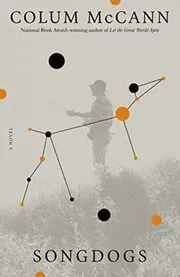
Songdogs
by Colum McCann
1995
Conor Lyons pieces together his parents' past from memories, photographs, and half-told stories stretching from Spain and Mexico to Ireland. It is a tender first novel about family myth, travel, and the gaps between memory and truth.
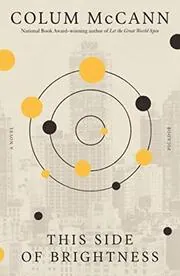
This Side of Brightness
by Colum McCann
1998
Nathan Walker comes to turn-of-the-century New York to dig tunnels beneath the East River, where danger and fellowship run side by side. McCann builds a multigenerational novel about labor, race, family, and life above and below ground.

Everything in This Country Must
by Colum McCann
2000
Set against the Troubles, these stories and novella show political violence pressing into family life. Children, parents, and neighbors are forced into impossible choices where loyalty, fear, and grief never stay abstract for long.
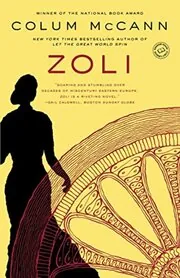
Zoli
by Colum McCann
2001
Loosely inspired by the life of the Romani poet Papusza, this novel follows Zoli through war, betrayal, exile, and reinvention. McCann keeps the focus on voice, belonging, and the cost of being turned into a symbol.
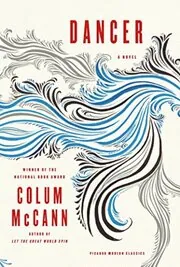
Dancer
by Colum McCann
2003
McCann reimagines the life of Rudolf Nureyev through the voices of people who knew him best. It is a restless, globe-spanning portrait of brilliance, hunger, fame, and the damage that can trail behind genius.
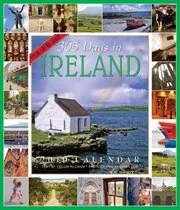
365 Days in Ireland Calendar 2010
by Colum McCann
2009
A photographic calendar that celebrates Irish coastlines, towns, ruins, and everyday beauty. McCann contributes lyrical text that helps turn each page into a small glimpse of place, weather, memory, and landscape.
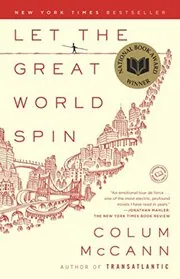
Let the Great World Spin
by Colum McCann
2009
On the day of Philippe Petit's 1974 tightrope walk between the Twin Towers, New Yorkers from very different lives brush against one another. The result is a city novel about grief, chance, faith, and the fragile ways people connect.
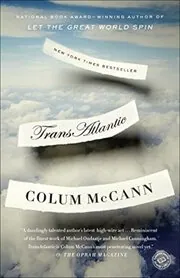
TransAtlantic
by Colum McCann
2013
This sweeping novel links Frederick Douglass, aviators Alcock and Brown, Senator George Mitchell, and several generations of women. McCann turns transatlantic crossings into an intimate story about memory, inheritance, and the way history moves through families.

Thirteen Ways of Looking
by Colum McCann
2015
A novella about a retired judge's last day anchors this collection, which also includes stories of loss, surveillance, and uneasy memory. McCann keeps shifting perspective, showing how a single blow can echo through many lives.
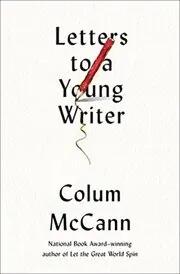
Letters to a Young Writer
by Colum McCann
2017
In fifty-two brief pieces, McCann writes to aspiring authors about craft, rejection, discipline, and doubt. It is practical without being stiff, and generous about the long, messy work of learning how to write.
Apeirogon
by Colum McCann
2020
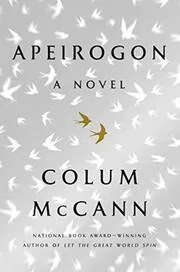
Built around the real lives of Palestinian Bassam Aramin and Israeli Rami Elhanan, this novel turns shared grief into an unlikely bond. McCann widens their story through history, memory, and place, asking what peace can cost.

American Mother
by Colum McCann
2024
Written with Diane Foley, this nonfiction book follows a mother after the murder of her son, journalist James Foley. It is a searching account of grief, witness, justice, and the difficult work of compassion after violence.

Twist
by Colum McCann
2025
Irish journalist Anthony Fennell heads to West Africa to report on the underwater cables that carry the world's information. Aboard a repair ship, technology, loneliness, and private loss knot into a tense novel about breakage and repair.
Where to start with Colum McCann
If you want the best first novel: Let the Great World Spin
If you like big, world-spanning fiction: TransAtlantic → Apeirogon → Twist
If you want earlier McCann: Songdogs → This Side of Brightness → Dancer
If you want short fiction: Fishing the Sloe-Black River → Everything in This Country Must → Thirteen Ways of Looking
If you want nonfiction and writing advice: Letters to a Young Writer → American Mother
Colum McCann collections, short stories, and related book types
Short Story Collections
Non-Fiction
Standalone Colum McCann books
Author bio
Colum McCann was born in Dublin in 1965 and grew up there in a house where books, newspapers, and talk about writing were part of daily life. His father worked in journalism, and McCann followed that path early, studying journalism and starting out at The Irish Press in Dublin. Before readers knew him as a novelist, he learned how to listen, how to notice detail, and how to let other people's stories lead the way.
That habit of looking outward never left him.
In his early twenties, McCann took off on a long bicycle trip across North America. He picked up odd jobs along the way and later worked in Texas as a wilderness guide for young people in trouble. He and his wife Allison also spent about a year and a half in Japan before settling in New York. All that movement shaped his fiction. Again and again, he writes about people far from home, trying to figure out where they belong.
His early books already carry that restless energy. Fishing the Sloe-Black River gathers stories about emigrants, boxers, loners, and drifters, people living on the edge of a place or a life. Songdogs, his first novel, follows Conor Lyons as he pieces together his parents' past through photographs and half reliable memories that stretch from Ireland to Spain, Mexico, and the American West. Readers who love McCann often talk about that mix of travel, longing, and close human observation.
Movement is one of his great subjects.
It shows up in very different forms. This Side of Brightness heads underground to the men who dug New York's tunnels and to the lives built above and below them. Everything in This Country Must turns toward Northern Ireland and shows how political violence enters ordinary homes. In Dancer, McCann reimagines the life of Rudolf Nureyev through the voices around him, while Zoli draws loosely on the story of the Romani poet Papusza and asks what happens when a community turns one of its artists into a symbol. Across these books, certain themes keep returning: migration, labor, class, memory, family, and the gap between public history and private pain.
For many readers, Let the Great World Spin is the place where everything comes together. Set in New York on the day of Philippe Petit's 1974 tightrope walk between the Twin Towers, it braids together priests, mothers, sex workers, artists, judges, and grieving families into one city-sized story. The novel won the National Book Award and brought McCann to a much wider audience. He followed it with TransAtlantic, which links Frederick Douglass, aviators Jack Alcock and Arthur Brown, Senator George Mitchell, and several generations of women across Ireland and North America.
Then came Apeirogon, one of his most discussed books, built around the real lives of Bassam Aramin and Rami Elhanan, two fathers connected by unbearable loss and a shared search for peace. McCann also stepped more directly into nonfiction with Letters to a Young Writer, a warm, practical book about craft and doubt, and American Mother, created with Diane Foley, which explores grief, witness, justice, and compassion after the murder of her son James Foley. Even when he changes form, from novel to essay to collaborative nonfiction, the emotional questions remain recognizably his.
Off the page, McCann has taught creative writing at Hunter College and helped build Narrative 4, the story exchange nonprofit he co-founded to encourage empathy through listening. His work has been translated widely, and he now lives in New York with his family, holding both Irish and American citizenship. That feels fitting. So much of his writing lives in the space between places, between voices, and between the damage people do to one another and the fragile ways they try to repair it.
Edited by
Software engineer whose passion for tracking book recommendations from podcasts inspired the creation of MRB.
Lead investor at 3one4 Capital whose startup expertise and love for books helped shape MRB and its growth.
Comments
Did we miss something? Have feedback?
Help us improve this page by sharing your thoughts