
Strangers and Brothers Books in Order
Part ofCP Snow Books in OrderRead the Strangers and Brothers books by C. P. Snow in order, with summaries, timeline notes, series background, and guidance on where to begin.
Last updated:
As an Amazon Associate, we earn from qualifying purchases (at no extra cost to you).
Strangers and Brothers books in publication order
11 books
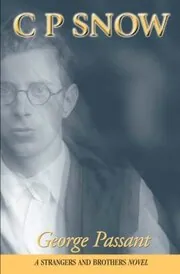
George Passant
by CP Snow
1940
In a provincial English town, young Lewis Eliot comes under the influence of George Passant, an idealistic solicitor’s clerk. Passant’s courage and stubborn principles inspire loyalty, but they also drive him toward a painful fall.
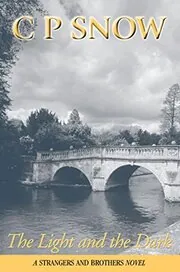
The Light and the Dark
by CP Snow
1947
Lewis Eliot becomes close to Roy Calvert, a brilliant Cambridge academic whose promise is shadowed by severe depression. Set before and during the war, the novel explores friendship, mental illness, marriage, and responsibility.
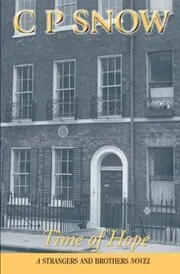
Time of Hope
by CP Snow
1949
Lewis Eliot recalls his childhood and youth in an English provincial town, then his first steps toward a legal career in London. It is the chronological opening of his long journey through class, work, friendship, and ambition.
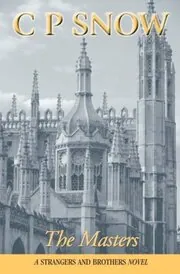
The Masters
by CP Snow
1951
When the master of a Cambridge college dies, the fellows must elect a successor. Lewis Eliot watches an apparently dignified process become a tense contest of alliances, ambition, principle, and personal history.
The New Men
by CP Snow
1954
During the Second World War, scientists and administrators work on the atomic bomb project. Snow follows their rivalries, friendships, and love affairs as technical ambition collides with the moral weight of a devastating new weapon.
Homecomings
by CP Snow
1956
Against wartime London and the years that follow, Lewis Eliot faces changes in his work and private life. The novel follows love, conflict, and the uneasy effort to build a settled home after disruption.
The Conscience of the Rich
by CP Snow
1958
Charles March is the reluctant heir to a wealthy Jewish banking family, but inheritance brings pressure rather than freedom. Lewis Eliot observes as family duty, social position, love, and moral responsibility pull March in competing directions.
The Affair
by CP Snow
1960
A Cambridge college is shaken by an inquiry involving a young academic and a possible miscarriage of justice. Lewis Eliot must navigate evidence, loyalty, and institutional self-protection as the case turns increasingly personal.
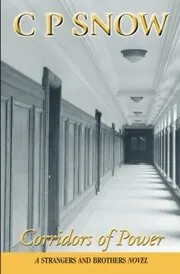
Corridors of Power
by CP Snow
1964
Lewis Eliot watches Whitehall politics through the career of Roger Quaife, a skilled diplomat and operator. As disputes over defense and policy intensify, personal ambition and private alliances shape decisions with national consequences.
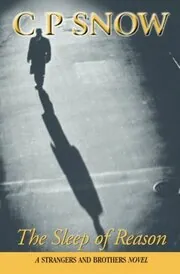
The Sleep of Reason
by CP Snow
1969
Lewis Eliot returns to the provincial town of his youth and becomes involved in the aftermath of a murder. Old relationships, local status, and personal loyalties complicate the search for an honest account of what happened.
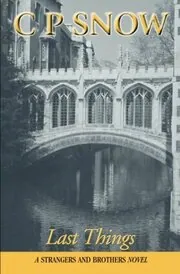
Last Things
by CP Snow
1970
After a serious operation, Lewis Eliot looks back on his life, family, and the choices that shaped him. The final Strangers and Brothers novel is a reflective story about aging, responsibility, and what can be passed on.
Strangers and Brothers books in chronological order
Series background & context
Strangers and Brothers is C. P. Snow’s eleven-novel sequence about Lewis Eliot, a thoughtful Englishman whose life carries him from a provincial town into law, Cambridge, wartime government work, and the higher levels of public service. The books were published between 1940 and 1970, but their story begins before the First World War and follows Eliot across much of the twentieth century.
Lewis is the steady observer at the center of the series. He is ambitious but rarely reckless, and he pays close attention to the ways class, money, friendship, marriage, and old resentments shape people’s choices. His own path matters, but each novel also opens onto another person’s crisis.
Power is the real recurring character.
The early books bring readers to the Midlands town where Eliot grows up, then to London as he trains for the law. George Passant focuses on an idealistic solicitor’s clerk whose belief in principle collides with the limits of provincial life. The Conscience of the Rich follows Charles March, heir to a Jewish banking family, while The Light and the Dark centers on the troubled Cambridge academic Roy Calvert.
Cambridge becomes one of the sequence’s most important settings. In The Masters, a college must choose a new master, and the election exposes alliances, grudges, and competing ideas about who deserves authority. The Affair returns to that world for an inquiry that tests whether an institution can deliver justice when its own reputation is at stake.
Snow also uses the series to examine science and government in wartime and after. The New Men follows men working on the atomic bomb project. Homecomings and Corridors of Power bring Eliot closer to Whitehall, where policy can turn on private influence, timing, and the willingness to make difficult compromises. The stakes are public, but Snow keeps the pressure personal.
These are not cliffhanger novels. They are novels of meetings, arguments, confidences, bad decisions, and consequences that unfold over years.
The sequence can be read in publication order, beginning with George Passant, but chronological readers may prefer to start with Time of Hope. Either way, the books build a broad picture of English professional life, from small-town hopes to government corridors, while asking what integrity costs when every institution has its own rules.






Edited by
Software engineer whose passion for tracking book recommendations from podcasts inspired the creation of MRB.
Lead investor at 3one4 Capital whose startup expertise and love for books helped shape MRB and its growth.
Comments
Did we miss something? Have feedback?
Help us improve this page by sharing your thoughts