
Star One Books in Order
Part ofRaymond L Weil Books in OrderSee the Star One series by Raymond L Weil in order, with short summaries, series background, and a quick guide to where to start.
Last updated:
As an Amazon Associate, we earn from qualifying purchases (at no extra cost to you).
Star One books in publication order
4 books
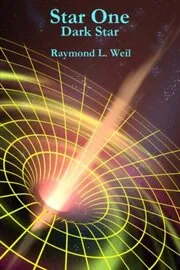
Dark Star
by Raymond L Weil
2012
The FarQuest heads toward the approaching neutron star while unrest and denial tear at Earth. Then a hidden secret inside the threat makes humanity's slim chance of survival look even worse.
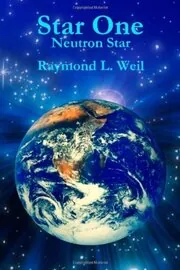
Neutron Star
by Raymond L Weil
2012
In 2044, astronomers discover a neutron star racing toward the heart of the Solar System. As leaders scramble to save whoever they can on Star One and beneath the Moon, politics on Earth turns nearly as dangerous as the star itself.
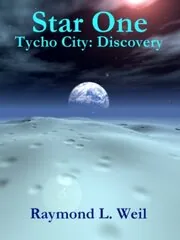
Tycho City: Discovery
by Raymond L Weil
2012
On the Moon, workers at Tycho City discover a neutron star is heading straight for the Solar System. Mase Colton and Steve Larson race to save at least a handful of people before Earth believes the threat is real.
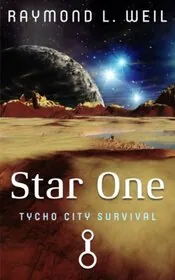
Tycho City: Survival
by Raymond L Weil
2014
As a neutron star rushes toward the Solar System, Mase Colton and Steve Larson struggle to save a fragment of humanity. Chaos spreads on Earth, and survival may depend on the Moon, Star One, and a lot of hard choices.
Star One books in chronological order
Series background & context
Star One is one of Raymond L Weil's most grounded science fiction series. The threat here is not a conquering alien empire. It is a neutron star on a collision course with the Solar System. That simple idea gives the books a very different feel from his war-centered series. Instead of asking how humanity fights back, Star One asks how much of humanity can be saved at all.
The key figures are people close to the practical work of survival. Mase Colton has spent years helping build Tycho City beneath the Moon's surface. Steve Larson is tied to the Star One station at the Earth-Moon Lagrange point. On Earth, people like Trace Lewis get pulled into the chaos as governments struggle, panic spreads, and denial turns political. Those viewpoints matter because the series is built around infrastructure as much as heroics. Lunar cities, observation facilities, space stations, and evacuation plans all become life-or-death concerns.
The setting does a lot of the heavy lifting.
The Moon is not just a backdrop. Tycho City and the farside observatory are central because they offer one of the few realistic chances for any part of the human race to survive. Star One serves a similar role, part refuge, part bottleneck, part political flashpoint. The books are strongest when they focus on that race against time, the scramble to figure out what is possible before Earth's leaders and populations fully grasp how bad the danger really is.
There is still conflict, of course. People fight over resources, status, and who gets saved. Some politicians refuse to believe the science. Some characters are willing to take brutal shortcuts. By the time Neutron Star and Dark Star get moving, the external threat is terrifying enough. The series smartly adds the idea that human fear and selfishness may be just as dangerous.
If you want Weil in disaster mode instead of fleet-war mode, Star One is worth a look. It is a near-future survival story with hard deadlines, big consequences, and a strong Moon-and-orbit setting that keeps the science fiction feeling close to home.


Edited by
Software engineer whose passion for tracking book recommendations from podcasts inspired the creation of MRB.
Lead investor at 3one4 Capital whose startup expertise and love for books helped shape MRB and its growth.
Comments
Did we miss something? Have feedback?
Help us improve this page by sharing your thoughts