
Spectrum Books in Order
Part ofKingsley Amis Books in OrderExplore the Spectrum books by Kingsley Amis in order, with short summaries, anthology background, and guidance on where to start with these science fiction collections.
Last updated:
As an Amazon Associate, we earn from qualifying purchases (at no extra cost to you).
Spectrum books in publication order
4 books
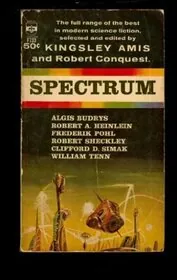
Spectrum I
by Kingsley Amis
1961
The first of Amis's science fiction anthologies, co-edited with Robert Conquest, gathers idea-driven stories chosen for range and readability. It works as both an introduction to the field and a snapshot of mid-century taste.
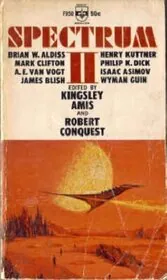
Spectrum II
by Kingsley Amis
1962
This second Spectrum volume continues Amis and Robert Conquest's tour through smart, varied science fiction. Expect future politics, strange technologies, and stories that care as much about tone as they do about ideas.
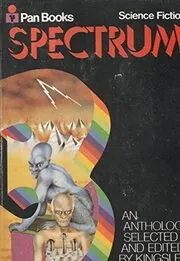
Spectrum III
by Kingsley Amis
1963
A third selection of science fiction stories and novellas, chosen to show the genre at its sharpest and most entertaining. The emphasis stays on clear storytelling, big concepts, and memorable speculative twists.
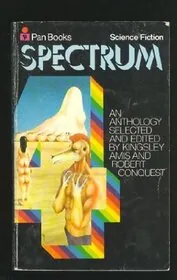
Spectrum IV
by Kingsley Amis
1965
The fourth Spectrum anthology rounds out the series with more classic science fiction chosen by Amis and his fellow editor Robert Conquest. It mixes adventurous premises with the sly, idea-rich pleasures the series is known for.
Spectrum books in chronological order
Series background & context
The Spectrum books are not a character series or a run of linked novels. They are a quartet of science fiction anthologies, edited by Kingsley Amis with Robert Conquest, built to gather strong short fiction and present it to readers in a clear, welcoming way.
The stars here are the stories.
That matters, because the appeal of Spectrum is partly editorial taste. Amis and Conquest were serious science fiction readers, and these books show what they valued: clean storytelling, memorable ideas, and a willingness to treat futuristic speculation as more than just gadgetry. The volumes work well as gateways into mid-century science fiction, especially for readers who want variety without having to commit to one author at a time.
Across the four books, the settings change constantly. One story may be about alien contact, another about space travel, another about future politics, robots, altered perception, or the social absurdities of modern life pushed a few steps further. What links them is not continuity but mood and range. The anthologies let you move from the eerie to the satirical to the philosophical in a single sitting.
Think of it as a guided tour through classic science fiction.
The books also reflect Amis's broader interest in the genre. He wrote criticism about science fiction elsewhere, and these collections sit comfortably beside that side of his work. They are practical rather than academic, though. The idea is not to lecture you about the field. It is to hand you good stories and trust that the field will explain itself through pleasure, surprise, and argument.
That makes Spectrum a bit different from many themed anthologies. It feels curated by enthusiasts who want to persuade without pushing too hard. If you like science fiction that is idea-driven, readable, and often slyly funny, this series gives you a broad sample of what the form could do in the decades when modern science fiction was taking shape.









Edited by
Software engineer whose passion for tracking book recommendations from podcasts inspired the creation of MRB.
Lead investor at 3one4 Capital whose startup expertise and love for books helped shape MRB and its growth.
Comments
Did we miss something? Have feedback?
Help us improve this page by sharing your thoughts