
Kingsley Amis Books in Order
Find Kingsley Amis books in order, with short summaries, linked series, and help choosing where to start with his comic novels, criticism, and collections.
Last updated:
As an Amazon Associate, we earn from qualifying purchases (at no extra cost to you).
Kingsley Amis books in publication order
60 books

Bright November
by Kingsley Amis
1947
Amis's first poetry collection already shows his taste for formal control, plain speech, and anti-grandiosity. It is an early glimpse of the voice that would later sharpen the novels.

A Frame of Mind
by Kingsley Amis
1953
This slim early volume, subtitled Eighteen Poems, continues Amis's work in measured, conversational verse. Even here, the wit is clipped, skeptical, and resistant to poetic fog.
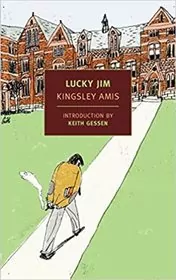
Lucky Jim
by Kingsley Amis
1954
Jim Dixon is a young history lecturer at a provincial university, trying not to lose his job while surrounded by pretension and chaos. His romantic missteps and public disasters turn campus life into one long comic ordeal.
Recommended by
1 person Christopher Hitchens recommended this book
Christopher Hitchens
"[The author managed] to synthesize the comic achievements of Evelyn Waugh and P. G. Wodehouse." - Christopher Hitchens
Christopher Hitchens's recommendation of this book
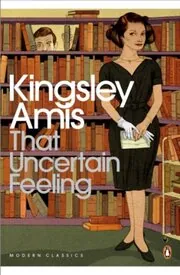
That Uncertain Feeling
by Kingsley Amis
1955
John Lewis, a Welsh librarian with a wife and baby, is tempted by promotion, class ambition, and an affair. Amis turns his muddled climb toward respectability into a sour, funny study of desire and self-deception.

A Case of Samples
by Kingsley Amis
1956
A poetry collection drawing together work from 1946 to 1956. It shows Amis refining the formal, colloquial style that ran alongside his rise as a novelist.
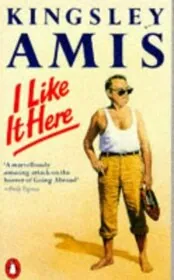
I Like it Here
by Kingsley Amis
1958
Garnet Bowen is sent to Portugal to track down a reclusive writer, though he would much rather stay in England. The trip becomes a comic study of travel, discomfort, and the misery of being abroad unwillingly.
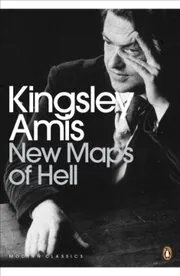
New Maps of Hell
by Kingsley Amis
1960
Amis's survey of science fiction looks at major writers, recurring themes, and the genre's mix of bad science and powerful ideas. It is witty criticism from a reader who took speculative fiction seriously.
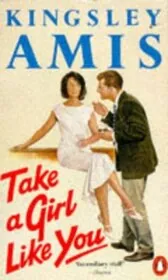
Take a Girl Like You
by Kingsley Amis
1960
Jenny Bunn moves south to teach and finds herself pursued by Patrick Standish, a schoolmaster who wants sex while she wants love and marriage. Their courtship becomes a comic, uneasy battle of manners, motives, and timing.
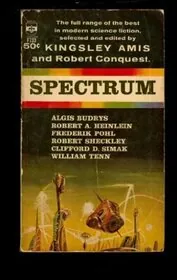
Spectrum I
by Kingsley Amis
1961
The first of Amis's science fiction anthologies, co-edited with Robert Conquest, gathers idea-driven stories chosen for range and readability. It works as both an introduction to the field and a snapshot of mid-century taste.
My Enemy's Enemy
by Kingsley Amis
1962
An early story collection that moves from wartime pieces to satire, fantasy, and darker comic turns. It is a good way to see how wide Amis's interests already were outside the novel.
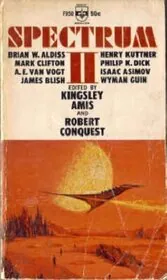
Spectrum II
by Kingsley Amis
1962
This second Spectrum volume continues Amis and Robert Conquest's tour through smart, varied science fiction. Expect future politics, strange technologies, and stories that care as much about tone as they do about ideas.
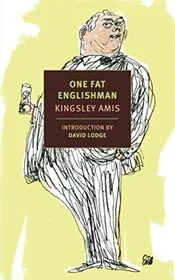
One Fat Englishman
by Kingsley Amis
1963
Roger Micheldene, a gluttonous and deeply unpleasant English publisher, travels to America for work and lust. Amis turns his appetites and snobberies into a biting comedy of class, sex, and bad manners abroad.
Spectrum III
by Kingsley Amis
1963
A third selection of science fiction stories and novellas, chosen to show the genre at its sharpest and most entertaining. The emphasis stays on clear storytelling, big concepts, and memorable speculative twists.
Spectrum IV
by Kingsley Amis
1965
The fourth Spectrum anthology rounds out the series with more classic science fiction chosen by Amis and his fellow editor Robert Conquest. It mixes adventurous premises with the sly, idea-rich pleasures the series is known for.

The James Bond Dossier
by Kingsley Amis
1965
Part criticism, part playful analysis, this book examines Bond's adventures, habits, women, enemies, and appeal. Amis reads Ian Fleming closely and explains why the novels work as popular fiction.
The Anti-Death League
by Kingsley Amis
1966
At a British Army camp testing a secret weapon, soldiers, civilians, clergy, and doctors drift into espionage, sex, and spiritual panic. It is one of Amis's strangest books, darker and more ambitious than his straight comedies.
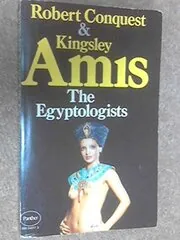
The Egyptologists
by Kingsley Amis
1966
This comic collaboration with Robert Conquest follows scholars, frauds, and enthusiasts orbiting a London Egyptological society. Mistaken identities, vanity, and false expertise keep turning scholarship into farce.

A Look Around the Estate
by Kingsley Amis
1967
This volume gathers Amis's poems from roughly a decade of change in his life and career. The poems stay witty and controlled, but they also widen toward age, belief, and domestic strain.
%2C%20Book%201.jpg)
Colonel Sun
by Kingsley Amis
1968
James Bond goes after M's kidnappers and lands in a tense Mediterranean plot driven by revenge, espionage, and political manipulation. Amis gives Bond a hard, fast mission and a particularly nasty villain in Colonel Sun.
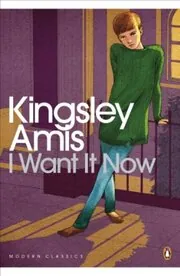
I Want It Now
by Kingsley Amis
1968
A cynical journalist is drawn into the orbit of immense wealth and a family whose money distorts everything around it. Amis turns vanity, class hunger, and desire into a brisk comedy about wanting too much.
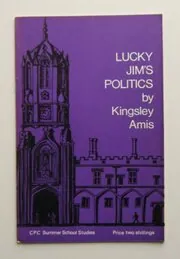
Lucky Jim's Politics.
by Kingsley Amis
1968
A short political lecture that uses the spirit of Jim Dixon as a way into Amis's later views on British public life. It is less a novel than a brisk, argumentative companion to Lucky Jim.

The Green Man
by Kingsley Amis
1969
Maurice Allington runs an old inn and lives badly, until a malignant supernatural presence turns his life into a ghost story. The novel mixes family trouble, lust, drunkenness, and real fear with unusual confidence.
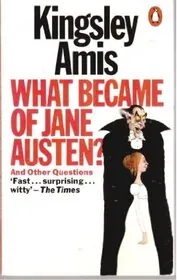
What Became of Jane Austen?
by Kingsley Amis
1970
A lively essay collection that moves from Jane Austen to broader questions about fiction, criticism, religion, and literary taste. Amis is skeptical, funny, and happiest whenever he is arguing with received opinion.
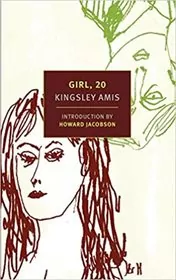
Girl, 20
by Kingsley Amis
1971
Narrated by Douglas Yandell, this sharp social comedy circles the aging conductor Sir Roy Vandervane, his taste for younger women, and the absurdities of late 1960s London. Music, sex, vanity, and fashionable posturing keep colliding.
Recommended by
1 person- Christopher Hitchens recommended this book
Christopher Hitchens
"[The author]'s neglected masterpiece novel." - Christopher Hitchens
Christopher Hitchens's recommendation of this book
Dear Illusion
by Kingsley Amis
1972
This collected stories volume shows Amis working across science fiction, ghost stories, spy fiction, and social comedy. The range is wide, but the sharp prose and dry comic edge stay recognizably his.
On Drink
by Kingsley Amis
1972
A comic guide to cocktails, hangovers, drinking manners, and the ordinary practicalities of booze. Amis mixes recipes with opinions, and his tone is as bossy as it is funny.
Tennyson
by Kingsley Amis
1972
A short critical study that introduces Tennyson's life, major poems, and changing reputation. Amis writes less like a dutiful scholar than a sharp, practical reader testing what still holds up.
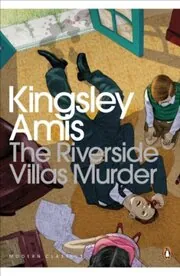
The Riverside Villas Murder
by Kingsley Amis
1973
Set in a 1930s suburban world, this affectionate detective story follows young Peter Furneaux as he helps investigate a murder in a respectable neighborhood. Amis plays fair with the mystery while enjoying the period manners.
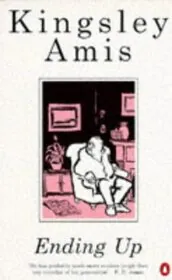
Ending Up
by Kingsley Amis
1974
A group of difficult elderly friends share a decaying country house and face illness, boredom, cruelty, and dependence. The result is a very dark comedy about old age, mutual resentment, and the indignities of survival.
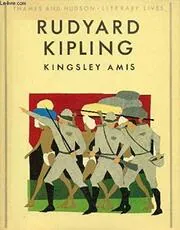
Rudyard Kipling and His World
by Kingsley Amis
1975
An illustrated introduction to Kipling's life, books, and imperial setting. Amis explains both the attraction and the difficulty of reading Kipling in full historical context.
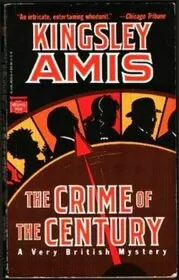
The Crime of the Century
by Kingsley Amis
1975
A playful thriller built around a sensational crime, a swelling list of suspects, and an intentionally elaborate hunt for the culprit. Amis leans into classic mystery machinery while teasing its excesses at the same time.
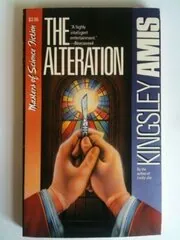
The Alteration
by Kingsley Amis
1976
In an alternate Europe where the Reformation never happened, young Hubert Anvil's extraordinary singing voice puts him in the path of Church power. The novel turns a counterfactual world into a chilling argument about art and control.

Harold's Years
by Kingsley Amis
1977
A collection of political commentary from the Harold Wilson years, drawn from Amis's journalism. Parties, slogans, policies, and public cant all get the same impatient, comic treatment.
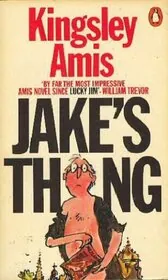
Jake's Thing
by Kingsley Amis
1978
Jake Richardson, a fifty-nine-year-old Oxford don, is alarmed by the loss of his libido and sets out to fix it. Doctors, analysts, and humiliations follow in a comedy about masculinity, aging, and self-importance.

The Darkwater Hall Mystery
by Kingsley Amis
1978
With Sherlock Holmes away, Dr. Watson travels to Darkwater Hall to prevent violence and untangle a country-house threat. It is a neat Holmes pastiche, giving Watson the center of the stage for once.
An Arts Policy?
by Kingsley Amis
1979
In this brief polemic, Amis argues that governments should be deeply wary of trying to manage art. It is a combative little essay about subsidy, bureaucracy, and the dangers of official culture.

Collected Poems, 1944-1979
by Kingsley Amis
1979
A one-volume gathering of Amis's poems, from early formal pieces to later work on love, drink, money, old age, and mortality. It shows how serious his poetry remained beside the novels.

Collected Short Stories
by Kingsley Amis
1980
This volume gathers Amis's short fiction, including comic tales, ghost stories, detective play, and formal experiments. It is the best single place to see how far his interests ranged outside the novel.
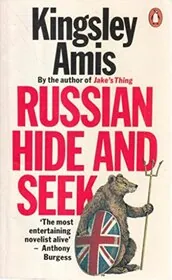
Russian Hide-and-Seek
by Kingsley Amis
1980
In a future England conquered by the Soviets, a resistance plot gathers force under occupation. Politics, loyalty, and private desire all get tangled in this bleak, oddly playful alternate-future thriller.
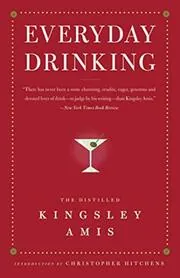
Everyday Drinking
by Kingsley Amis
1983
This omnibus gathers Amis's best writing on alcohol, from recipes and bar lore to hangovers and household hospitality. It is funny, opinionated, and surprisingly practical as a drinker's bedside book.
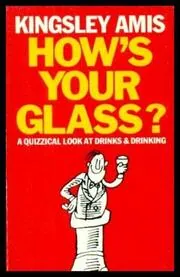
How's Your Glass?
by Kingsley Amis
1984
Another of Amis's drink books, this one offers practical advice, sharp opinions, and comic instruction on what to pour, how to serve it, and how not to make a fool of yourself.

Stanley and the Women
by Kingsley Amis
1984
Advertising man Stanley Duke tries to cope with his son's mental collapse, his marriages, and a string of disastrous encounters with psychiatrists. The novel is abrasive and controversial, but also tightly wound and bitterly comic.
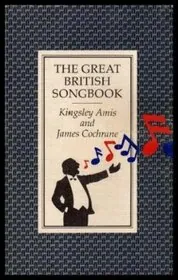
The Great British Songbook
by Kingsley Amis
1986
Compiled with James Cochrane, this anthology gathers British songs from ballads and hymns to music-hall numbers and wartime favorites. It is a broad, affectionate survey of what people in Britain actually sang.

The Old Devils
by Kingsley Amis
1986
A group of aging Welsh friends drink, bicker, remember, and regroup when writer Alun Weaver returns home with his wife Rhiannon. Beneath the jokes lies a sad, exact novel about age, love, and the stories people tell themselves.
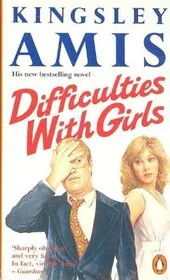
Difficulties with Girls
by Kingsley Amis
1988
Years after their first book, Patrick Standish and Jenny Bunn are married and still badly matched in key ways. Childlessness, infidelity, and ordinary domestic strain turn their middle years into a brittle social comedy.
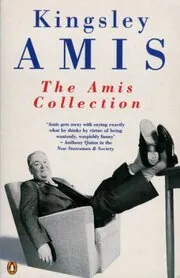
The Amis Collection
by Kingsley Amis
1990
A substantial selection of Amis's non-fiction, bringing together essays and reviews on writers, language, travel, music, drink, and public life. It shows how much of his voice lived outside the novels.
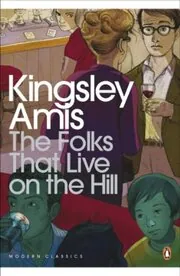
The Folks That Live on the Hill
by Kingsley Amis
1990
Retired librarian Harry Caldecote lives in north London with his sister and spends his days managing the needs of ex-wives, relatives, and strays. It is a late comedy of family entanglement, aging, and urban manners.

The Pleasure of Poetry
by Kingsley Amis
1990
Drawn from his newspaper column, this book pairs favorite poems with Amis's short, plainspoken introductions. It is a friendly guide to reading poetry for pleasure rather than homework.
Kingsley Amis in Life and Letters
by Kingsley Amis
1991
This critical and biographical volume gathers essays, reminiscences, and documents about Amis's life, friendships, and work. It offers a many-sided portrait of the man behind the public reputation.

Memoirs
by Kingsley Amis
1991
Amis's autobiography moves from school and Oxford through wartime service, teaching, fame, friendships, and literary life. The book is gossipy, selective, funny, and often revealing in spite of itself.

We Are All Guilty
by Kingsley Amis
1991
Teenage Clive badly injures a night watchman during a warehouse break-in and is shaken when adults keep excusing him instead of blaming him. The story turns on guilt, responsibility, and the odd relief of being held to account.
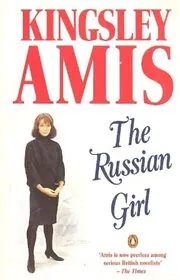
The Russian Girl
by Kingsley Amis
1992
When young Russian poet Anna Danilova arrives in London, middle-aged academic Richard Vaisey becomes her sponsor and soon her lover. Literature, marriage, vanity, and post-Soviet opportunism collide in this late comic novel.

Mr. Barrett's Secret and Other Stories
by Kingsley Amis
1993
A late collection of stories that moves from social comedy to literary pastiche and the uncanny. Amis keeps the prose trim and the endings pointed, even when the mood turns eerie.

You Can't Do Both
by Kingsley Amis
1994
A late comic novel about a middle-aged writer trying to balance desire, family obligations, and self-justification. Amis turns incompatible wants into a familiar, sharply observed kind of trouble.
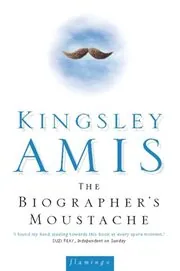
The Biographer's Moustache
by Kingsley Amis
1995
A sly literary comedy about biography, self-invention, and the scramble to control another person's story. Amis has fun with writers, hangers-on, and the evasions that turn fact into performance.
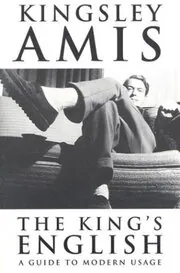
The King's English
by Kingsley Amis
1996
Amis's guide to modern usage is part grammar book, part polemic, part comic performance. He takes on jargon, slips, clichés, and syntactic muddle with a teacher's certainty and a satirist's relish.

The Letters of Kingsley Amis
by Kingsley Amis
2000
This collection of Amis's correspondence spans more than fifty years, from Oxford youth to old age. The letters show the private wit, irritability, loyalties, and literary seriousness behind the public persona.
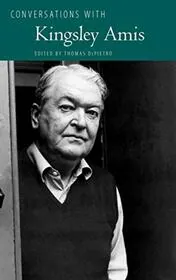
Conversations with Kingsley Amis
by Kingsley Amis
2009
A collection of interviews from across Amis's career, from early success to late notoriety. He talks about fiction, poetry, politics, drinking, language, and the pleasures of being contrary.

Complete Stories
by Kingsley Amis
2011
The definitive one-volume edition of Amis's short fiction, ranging from wartime realism and campus comedy to ghost stories and parody. It shows how restless and varied he was in the shorter form.
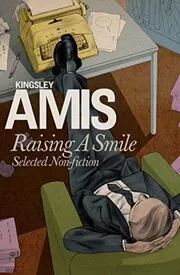
Raising a Smile
by Kingsley Amis
2019
A selection of comic pieces, essays, and lighter journalism that shows Amis at his briskest and most entertaining. Books, manners, drink, and everyday absurdity all come in for quick, dry treatment.
Where to start with Kingsley Amis
If you want the classic campus comedy: Lucky Jim
If you want sharp social comedy about sex and manners: Take a Girl Like You → Difficulties with Girls
If you want something darker and stranger: The Green Man → The Alteration
If you want late Amis at his warmest and saddest: The Old Devils → The Folks That Live on the Hill
If you're curious about his Bond detour: The James Bond Dossier → Colonel Sun
Kingsley Amis sub-series and character series
James Bond (Kingsley Amis) books in order
Explore this seriesJames Bond (Kingsley Amis) books in chronological order
Patrick Standish and Jenny Bunn books in order
Explore this seriesPatrick Standish and Jenny Bunn books in chronological order
Kingsley Amis collections, short stories, and related book types
Short Story Collections
Non-Fiction
Standalone Kingsley Amis books
Author bio
Kingsley Amis was born in Clapham, south London, on April 16, 1922, and grew up in nearby Norbury. He was an only child, good at school, and won scholarships first to the City of London School and then to St John's College, Oxford, where he studied English. At Oxford he met Philip Larkin, and that friendship lasted for the rest of his life.
Writing started with poetry. During and just after the war, Amis thought of himself first as a poet, not a novelist.
His university years were interrupted by service in the Royal Corps of Signals during the Second World War. When he returned to Oxford, he finished his degree, took a first in English, and moved into teaching. He lectured at Swansea, later spent time at Cambridge, and built the steady working habits that would carry him through a very long career.
Then came Lucky Jim. Published in 1954, it made him famous fast.
Its hero, Jim Dixon, a young lecturer sick of pomposity and bad manners, gave postwar British readers a comic figure who felt new, irritated, funny, and recognizably ordinary. The novel won the Somerset Maugham Award and still stands as the place most readers start with Amis.
He never stayed in one lane for long. Alongside comic realism in books like That Uncertain Feeling, Take a Girl Like You, and Girl, 20, he wrote criticism, poetry, short stories, ghostly fiction, science fiction, detective work, and even a James Bond novel, Colonel Sun. The Green Man showed how well he could handle the supernatural, while The Alteration turned to alternate history.
The books are funny, but they are rarely soft. Again and again, Amis went back to class nerves, marriage, boredom, lust, drink, career frustration, and the gap between what people say and what they really want. Even later novels like Jake's Thing and The Old Devils keep the jokes close to embarrassment, loneliness, and the slow grind of getting older.
His later years brought official honors, though he kept writing in his own prickly way. The Old Devils won the Booker Prize in 1986, and he was knighted in 1990. He also published Memoirs and, after his death, became newly well known to some readers for The King's English, his blunt, funny guide to usage.
His personal life was complicated, and he did not hide that complexity very well. He married Hilary Bardwell in 1948 and Elizabeth Jane Howard in 1965, and both marriages ended. He was also the father of the novelist Martin Amis, which meant that his private life and his literary life often stayed entangled in public view.
Near the end, he was still writing across forms and still arguing with the world on the page. He died in London on October 22, 1995. What remains is a body of work that can be caustic, uneven, hilarious, and very alive, especially when he is skewering cant or catching the small humiliations people try to laugh away.



Edited by
Software engineer whose passion for tracking book recommendations from podcasts inspired the creation of MRB.
Lead investor at 3one4 Capital whose startup expertise and love for books helped shape MRB and its growth.
Comments
Did we miss something? Have feedback?
Help us improve this page by sharing your thoughts