
Sod Books in Order
Part ofSimon Brett Books in OrderExplore the Little Sod books by Simon Brett in reading order, with short summaries, background on the series and a guide to choosing where to begin.
Last updated:
As an Amazon Associate, we earn from qualifying purchases (at no extra cost to you).
Sod books in publication order
3 books
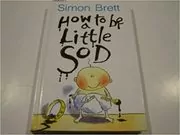
How to Be a Little Sod
by Simon Brett
1992
A baby narrates the first year of life as an elaborate campaign to disrupt the adults responsible for its care. Diary entries turn feeding, crying, early milestones, and parental anxiety into a mischievous comic view of family life.
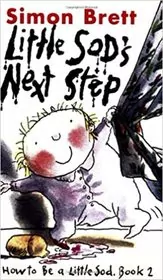
Little Sod's Next Step
by Simon Brett
1994
The calculating baby becomes a toddler with fresh opportunities to torment its parents. Diary entries follow a second year of tantrums, potty training, food fads, and mysterious rashes, turning ordinary developmental milestones into comic struggles for control of the household.
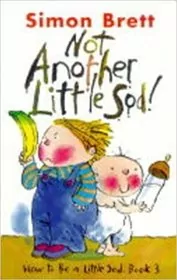
Not Another Little Sod
by Simon Brett
1997
Little Sod’s control of the household is threatened by the arrival of a new baby. The toddler’s diary turns sibling rivalry into a campaign against the newcomer, bringing further trouble for parents already familiar with the child’s talent for creating chaos.
Series background & context
Simon Brett's Little Sod books turn early family life into comedy by giving the baby a voice. Told as diaries, they present ordinary milestones through the thoughts of a small child whose apparent helplessness conceals a remarkable talent for causing trouble. The adults may believe they are bringing order to the household, but the narrator offers a very different account of who is managing whom. The joke rests on that gap between adult intention and the child's interpretation.
How to Be a Little Sod covers the first year. The baby's name is withheld, and the parents are identified through their roles in the narrator's world rather than a fully explained adult history. Feeding, crying, smiling and the first attempts to communicate become events in a running family contest. The diary format lets Brett build the humor through short episodes, making small domestic incidents seem like significant tactical developments in the baby's ongoing dealings with the people responsible for looking after it.
The nursery is the center of the action, but the adults are often the real subjects of the joke.
The series treats familiar stages of development as opportunities to unsettle parental confidence. A baby's progress may be something the family celebrates, yet every new ability also changes what the adults have to cope with. Brett's narrator brings an older, more calculating intelligence to experiences that would normally be described by a parent. That deliberately impossible perspective is the foundation of the comedy, allowing the reader to recognize the domestic situation while enjoying an explanation no real infant could provide.
Little Sod's Next Step moves into walking and potty training, expanding the scope for disruption as the child becomes more mobile. Not Another Little Sod introduces a newborn sibling, changing the original narrator's position within the family. Being the small person around whom everything revolves is different from having to share attention. The continuing diary approach lets the books track that change without abandoning the voice that made the first volume work. Family development supplies the sequence, rather than a large adventure or mystery plot.
The tone is adult comic fiction about parenting, with exaggeration and mischievous observation at its center. Tony Ross's illustrations accompany the original book, reinforcing the contrast between the child's small size and the scale of the disruption. Begin with How to Be a Little Sod, then read Little Sod's Next Step and Not Another Little Sod. That order follows the baby's growth and the changing household, from the first year's demands to greater independence and the arrival of another child with demands of its own.










Edited by
Software engineer whose passion for tracking book recommendations from podcasts inspired the creation of MRB.
Lead investor at 3one4 Capital whose startup expertise and love for books helped shape MRB and its growth.
Comments
Spotted a missing book, a wrong order or a mistake? Tell us and we'll fix this page.
We're a reading guide, not the author or publisher, so we can't send books or pass on messages.