
Sir Walter Scott Books in Order
Explore Sir Walter Scott books in order, from the Waverley novels to the poems and histories, with short summaries, series notes, and easy start-here advice.
Last updated:
As an Amazon Associate, we earn from qualifying purchases (at no extra cost to you).
Sir Walter Scott books in publication order
86 books
The Chase
by Sir Walter Scott
1796
Scott's early translation from German is a fast, dark ballad about a reckless nobleman and a supernatural hunt. Short and vivid, it shows the gothic tastes he first brought into English.

Goetz of Berlichingen, with the Ironhand
by Sir Walter Scott
1799
Scott's lively English version of Goethe's drama brings an outlaw knight and late medieval Germany into forceful motion. It is a translation, but one full of youthful energy.
Minstrelsy of the Scottish Border
by Sir Walter Scott
1803
This landmark collection gathers old Border ballads, historical pieces, and Scott's notes. It opens a window onto raids, feuds, songs, and the oral traditions that fed his later fiction.

The Minstrelsy of the Scottish Border
by Sir Walter Scott
1803
This edition returns to Scott's famous gathering of Border ballads and notes. It is essential if you want the folklore, songs, and local history behind so much of his imagination.
The Lady of the Lake, a Poem
by Sir Walter Scott
1805
Set around Loch Katrine, this narrative poem follows hidden identities, clan tension, and Ellen Douglas at the center of competing loyalties. It is one of Scott's most vivid Highland works.
The Lay of the Last Minstrel
by Sir Walter Scott
1805
A Border feud, a young couple, and touches of magic are framed as a tale sung by an old minstrel. This was the poem that first made Scott a major literary name.
Marmion
by Sir Walter Scott
1808
In this long narrative poem, personal deceit and national conflict converge on the Battle of Flodden. Scott combines romance, travel, and martial pageantry with some of his best-known verse.
The Lady of the Lake
by Sir Walter Scott
1810
Set around Loch Katrine, this narrative poem follows hidden identities, clan tension, and Ellen Douglas at the center of competing loyalties. It is one of Scott's most vivid Highland works.
The Vision of Don Roderick
by Sir Walter Scott
1811
Using Spanish legend, Scott turns recent victory in the Peninsular War into a patriotic vision poem. It is public, martial, and more occasional than his big narrative romances.
Waverley / Tis Sixty Years Since
by Sir Walter Scott
1814
Young English officer Edward Waverley is drawn into the 1745 Jacobite rising after a visit to Scotland changes his loyalties. Part romance, part war story, it launched Scott's long run of historical novels.
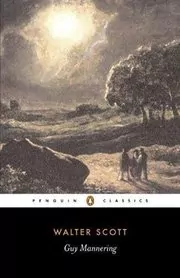
Guy Mannering
by Sir Walter Scott
1815
After witnessing a murder, young Harry Bertram is kidnapped and lost to his family for years. Scott turns his return into a lively tale of smugglers, prophecies, and inheritance in Galloway.
Lord of the Isles
by Sir Walter Scott
1815
Scott follows Robert the Bruce and the struggle for Scottish independence in a sweeping poem of sea travel, exile, and war. The island scenery gives it a broad, windswept feel.
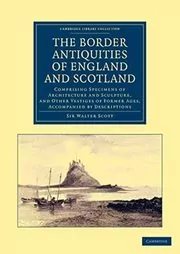
The Border Antiquities of England and Scotland
by Sir Walter Scott
1815
An illustrated antiquarian tour through castles, churches, ruins, and old Border sites. Scott's text ties architecture and landscape to centuries of conflict and legend.

The Field of Waterloo
by Sir Walter Scott
1815
Written after the battle, this poem looks at victory with both pride and grief. Scott keeps one eye on national memory and the other on the human cost left on the field.
France and Belgium / Paul's Letters to His Kinsfolk
by Sir Walter Scott
1816
Based on Scott's post-Waterloo travels, these lively letters mix observation, history, and personal response. They are part travel book, part commentary on a Europe reshaped by war.
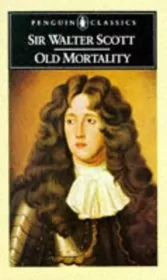
Old Mortality
by Sir Walter Scott
1816
Moderate Presbyterian Henry Morton is pushed into the violent world of the Covenanters during the unrest of 1679. Scott gives the conflict moral weight without flattening either side into simple heroes or villains.
Rokeby
by Sir Walter Scott
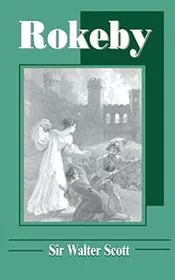
1816
Set during the English Civil War, this narrative poem mixes family conflict, revenge, and shifting allegiance around a Yorkshire estate. Scott writes it with strong scenery and a steady taste for dramatic turns.

The Antiquary
by Sir Walter Scott
1816
A mysterious young man calling himself Lovel falls in with Jonathan Oldbuck, a comic, stubborn collector of the past. Secrets of birth, family pride, and a dangerous Scottish coastline drive the story forward.
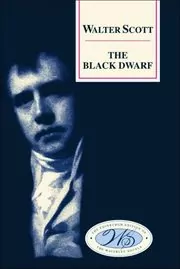
The Black Dwarf
by Sir Walter Scott
1816
A feared recluse on Mucklestane Moor becomes entangled in family schemes, Jacobite feeling, and a threatened forced marriage. The novel is short, gothic, and driven by the mystery around its central outsider.

Harold the Dauntless
by Sir Walter Scott
1817
A short narrative poem of northern legend, conversion, and supernatural warning. Scott blends warrior pride with romance and eerie medieval atmosphere.
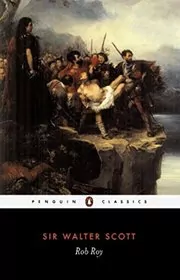
Rob Roy
by Sir Walter Scott
1817
Frank Osbaldistone leaves his father's business world and stumbles into Highland politics, family treachery, and the orbit of Rob Roy MacGregor. The novel mixes Jacobite tension, romance, and one of Scott's most vivid Scottish settings.
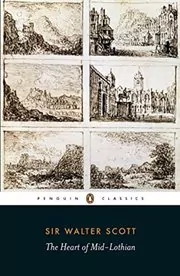
The Heart of Mid-Lothian
by Sir Walter Scott
1818
After her sister is condemned, Jeanie Deans walks from Edinburgh to London to plead for mercy. It is one of Scott's clearest and most moving stories about justice, class, and moral courage.
A Legend of Montrose
by Sir Walter Scott
1819
Against the wars of the 1640s, Montrose's campaign brings together swaggering soldiers, clan feuds, and dangerous personal vendettas. The novel is remembered for its Highland atmosphere and fierce energy.
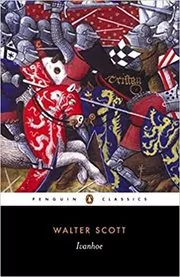
Ivanhoe
by Sir Walter Scott
1819
Disinherited knight Wilfred of Ivanhoe returns to a divided England shaped by Saxon-Norman rivalry, crusader legend, and court intrigue. Tournaments, sieges, and the fates of Rowena and Rebecca give the novel its lasting pull.
Recommended by
2 people Murray Carter recommended this book
Murray Carter
"As a child, I was fascinated with [this book]." - Murray Carter
Murray Carter's recommendation of this book  George R. R. Martin recommended this book
George R. R. Martin
"[This author] is hard going for many modern readers, I realize, but there’s still great stuff to be found in [this book]." - George R. R. Martin
George R. R. Martin's recommendation of this book
The Bridal of Triermain
by Sir Walter Scott
1819
Scott folds courtship, Arthurian legend, and enchanted sleep into a layered romantic poem. Knights, trials, and magic carry the story through a dreamlike Lake District setting.
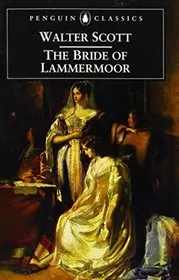
The Bride of Lammermoor
by Sir Walter Scott
1819
Lucy Ashton and Edgar Ravenswood fall in love across a bitter family divide. Scott turns their courtship into a bleak, haunting tragedy shaped by politics, pressure, and fatal misunderstanding.
Provincial Antiquities of Scotland
by Sir Walter Scott
1820
An illustrated survey of Scottish sites, buildings, and regional history. Scott's contribution helps turn ruins and relics into stories with local color and historical depth.
The Abbot
by Sir Walter Scott
1820
Roland Graeme is drawn into the dangerous world around Mary, Queen of Scots, at Lochleven Castle. It is a brisk historical tale of loyalty, disguise, and the struggle over Scotland's future.

The Monastery
by Sir Walter Scott
1820
In the Scottish Borders during the Reformation, the Glendinning brothers are caught between old faith, new politics, and their love for Mary Avenel. Scott adds mystery and folklore through the eerie White Lady of Avenel.
Kenilworth
by Sir Walter Scott
1821
Amy Robsart's secret marriage to the Earl of Leicester turns into a trap when ambition and court politics take over. Scott uses Elizabethan spectacle and private heartbreak to build one of his darkest English novels.

Halidon Hill
by Sir Walter Scott
1822
This dramatic sketch looks back to the 1333 battle and the chivalric world around it. Written more for reading than performance, it mixes history, patriotism, and martial scene-setting.
Peveril of the Peak
by Sir Walter Scott
1822
Julian Peveril is swept from Derbyshire into Restoration intrigue shaped by the Popish Plot. It is a sprawling novel of divided loyalties, secret identities, and political suspicion under Charles II.
The Fortunes of Nigel
by Sir Walter Scott
1822
Nigel Olifaunt comes to London to recover money owed by the crown and finds himself tangled in the chaotic court of King James. Scott balances satire, danger, and city life with a sharp portrait of power and debt.
The Pirate
by Sir Walter Scott
1822
On the far edge of Shetland, Mordaunt Mertoun becomes entangled with a charismatic pirate, two rival sisters, and the strange seer Norna. Sea weather, isolation, and old Norse atmosphere give the book its power.
Lives of the Novelists
by Sir Walter Scott
1823
Scott writes biographical and critical sketches of earlier fiction writers, explaining how novels developed and why certain authors mattered. It is part literary history, part reader's guide.

Macduff's Cross
by Sir Walter Scott
1823
A brief Scott piece built around the old Fife monument and the sanctuary legend attached to Clan MacDuff. Antiquarian curiosity and legend matter more here than plot.
Quentin Durward
by Sir Walter Scott
1823
A poor Scottish archer seeks his fortune at the court of Louis XI and ends up guarding the heiress Isabelle de Croye. The novel blends travel, warfare, and ruthless late medieval politics.
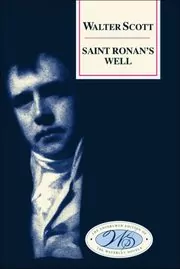
Saint Ronan's Well
by Sir Walter Scott
1823
A fashionable spa town becomes the stage for old secrets, social ambition, and the painful return of Francis Tyrrel. Scott trades battlefield history for gossip, pressure, and emotional ruin in modern Scotland.
Essays On Chivalry, Romance, And The Drama
by Sir Walter Scott
1824
These prose essays gather Scott's wide-ranging thoughts on medieval chivalry, romance literature, and dramatic writing. They show the historical reading behind much of his fiction.
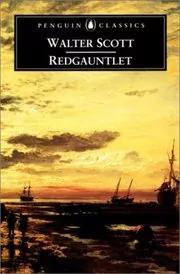
Redgauntlet
by Sir Walter Scott
1824
When Darsie Latimer disappears, his friend Alan Fairford is pulled into a shadowy Jacobite plot in southwest Scotland. Letters, disguises, and buried family ties make this one of Scott's strangest late novels.
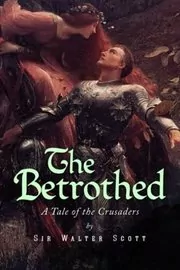
The Betrothed
by Sir Walter Scott
1825
After a siege in the Welsh Marches, Eveline Berenger is drawn into a web of feudal duty, rescue, and unwanted marriage politics. Scott uses the crusading age to test honor against personal feeling.
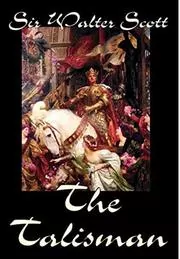
The Talisman
by Sir Walter Scott
1825
During the Third Crusade, the Scottish knight Sir Kenneth moves between King Richard's camp and the world of Saladin. Adventure, disguise, and political rivalry give this novel its brisk pace.

Letters of Malachi Malagrowther
by Sir Walter Scott
1826
Under a comic persona, Scott argues fiercely against proposed changes to Scottish banking. The letters are witty, political, and a reminder that he could fight with prose as well as fiction.
Woodstock
by Sir Walter Scott
1826
Set during the Commonwealth, this novel follows royalists, parliamentarians, and the hidden movements of the future Charles II around Woodstock. Politics, loyalty, and touches of the uncanny shape the suspense.
Chronicles of the Canongate
by Sir Walter Scott
1827
Framed by the Edinburgh narrator Chrystal Croftangry, this volume gathers stories of Highland memory, cross-border conflict, and imperial adventure. It shows Scott working in shorter, tighter forms.

The Highland Widow
by Sir Walter Scott
1827
Elspat MacTavish cannot accept the changed Highlands after Culloden, or her son's wish to serve in the British army. The result is a fierce, sorrowful tale about pride, love, and refusal to move on.
The Life of Napoleon Buonaparte, Emperor of the French
by Sir Walter Scott
1827
Scott's massive biography follows Napoleon from rise to fall with admiration, criticism, and plenty of narrative force. It is a major piece of 19th-century historical writing.

The Two Drovers
by Sir Walter Scott
1827
Friendship between a Highland drover and an English cattleman ends in sudden violence after a quarrel in Cumberland. Scott turns a small incident into a sharp story about honor, temper, and cultural difference.

My Aunt Margaret's Mirror and Other Tales
by Sir Walter Scott
1828
A compact gathering of Scott's shorter supernatural pieces, full of haunted images, old stories, and fireside unease. It shows his taste for gothic atmosphere in miniature.
Religious Discourses by a Layman
by Sir Walter Scott
1828
A short religious prose work in which Scott reflects on Christian belief and scripture in plain, accessible language. It is thoughtful rather than argumentative, and very different from the novels.
Tales of a Grandfather: History of Scotland; Volume 1
by Sir Walter Scott
1828
An accessible edition of Scott's first set of Scottish history tales for younger readers. It offers a clear starting point for Bruce, Wallace, and the shaping of the kingdom.
The Fair Maid of Perth
by Sir Walter Scott
1828
Medieval Perth is shaken by clan rivalry, court politics, and danger around the beautiful Catherine Glover. Scott mixes romance and violence in a book built around honor, loyalty, and public spectacle.
Anne of Geierstein
by Sir Walter Scott
1829
Two English exiles travel in disguise across Switzerland and Burgundy on a mission tied to the Wars of the Roses. Mountain scenery, court intrigue, and Anne herself give the novel a restless continental energy.
Tales of a Grandfather: History of Scotland; Volume 2
by Sir Walter Scott
1829
This continuation carries the history forward with the same brisk, conversational tone. Scott keeps names and events moving without losing the human drama.

The Tapestried Chamber; Or, the Lady in the Sacque
by Sir Walter Scott
1829
A visiting general spends a night in a room with a dreadful reputation and learns why. Scott keeps the setup simple and lets the ghostly encounter do the work.

Auchindrane
by Sir Walter Scott
1830
Drawn from a notorious Ayrshire murder case, this dramatic piece centers on revenge, conspiracy, and moral collapse. Scott treats the material as grim local history turned into tragedy.
Letters on Demonology and Witchcraft
by Sir Walter Scott
1830
Scott surveys ghosts, witch trials, superstition, and the history of belief in the supernatural. The book is curious, readable, and often surprisingly skeptical.
Tales of a Grandfather: History of England; Volume 3
by Sir Walter Scott
1830
Scott retells major episodes from English history for younger readers, keeping the focus on memorable figures and turning points. The style is plain, story-like, and easy to follow.

The Doom Of Devorgoil
by Sir Walter Scott
1830
Scott's late melodrama turns to Scottish legend and family catastrophe with touches of the supernatural. It is an unusual side road in his career, darker and more theatrical than the novels.
Tales of a Grandfather: The History of France; Volume 4
by Sir Walter Scott
1831
Scott turns to French history for younger readers, highlighting rulers, wars, and turning points in a style that prizes momentum over academic detail.
Castle Dangerous
by Sir Walter Scott
1832
In the wars between Robert the Bruce and England, Sir John de Walton must hold the Douglas stronghold for a year and a day. Siege tension and chivalric rivalry drive this late medieval romance.
Count Robert of Paris
by Sir Walter Scott
1832
A defiant crusader and his fierce wife collide with the refined, suspicious court of Emperor Alexius in Constantinople. Scott uses the Byzantine setting for a tale of clashing codes and political theater.
Some Poems by Sir Walter Scott
by Sir Walter Scott
1893
A compact selection of Scott's verse, drawing from the poems that first made his name. It offers a good taste of his storytelling voice, historical color, and love of Scottish legend.
The Surgeon's Daughter
by Sir Walter Scott
1956
Menie Gray follows the man she loves into a story that stretches from Scotland to India and turns dangerously dark. Scott pairs domestic feeling with betrayal and imperial adventure.

The Supernatural Short Stories of Sir Walter Scott
by Sir Walter Scott
1977
This collection gathers Scott's eerier tales in one place, from haunted rooms to uncanny family stories. It is the best lane to take if you want his gothic side without the long novels.
Hermetica, Vol. 1
by Sir Walter Scott
1985
The foundation of the series, this volume presents the Greek and Latin Hermetic texts with English translation. It is the place to start if you want the primary writings before the commentary volumes.
Hermetica, Vol. 2
by Sir Walter Scott
1985
This volume continues the scholarly apparatus of the Hermetica set, offering detailed notes and commentary on the ancient texts attributed to Hermes Trismegistus. It is aimed at careful readers rather than casual browsers.
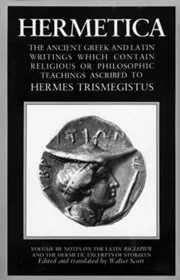
Hermetica, Vol. 3
by Sir Walter Scott
1985
Further notes, testimonia, and interpretive material deepen the set's study of Hermetic thought. Readers interested in late antique religion and philosophy will find this volume especially rich.
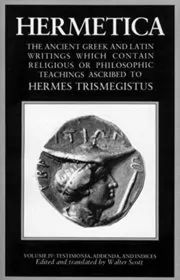
Hermetica, Vol. 4
by Sir Walter Scott
1985
The final volume gathers more commentary, addenda, testimonia, and indexes for the Hermetica project. It is most useful once you are already working through the earlier volumes.
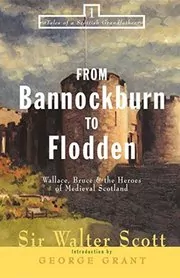
From Bannockburn to Flodden
by Sir Walter Scott
2000
Scott retells medieval Scottish history for younger readers, moving from Bruce and Wallace toward Flodden. The tone is clear and story-driven, with battles and rulers kept easy to follow.
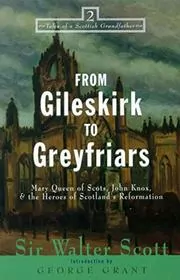
From Gileskirk to Greyfriars
by Sir Walter Scott
2000
This volume carries Scott's young readers into the Reformation era, with Mary, Queen of Scots, John Knox, and religious upheaval at the center. It reads like history told aloud by a gifted grandfather.
From Montrose to Culloden
by Sir Walter Scott
2000
Scott covers the later civil wars and Jacobite era in a brisk, approachable narrative. It gives younger readers a clear route through some of Scotland's most turbulent years.

Selected Writings of Sir Walter Scott
by Sir Walter Scott
2003
A broad sampler of Scott's fiction, poetry, and prose, useful for readers who want range rather than a single long work. It highlights how many different kinds of books he wrote.

Selected Poems
by Sir Walter Scott
2006
A handpicked introduction to Scott's verse, from narrative romance to shorter lyrical pieces. Good for readers who want the poet without committing to one of the longer poems.

Ballads and Lyrical Pieces
by Sir Walter Scott
2007
A gathering of shorter poems and songs that shows Scott working in a quicker, more musical mode. The pieces lean on legend, memory, and the old ballad tradition.

Marmion and the Lord of the Isles
by Sir Walter Scott
2007
This volume pairs two of Scott's major narrative poems, one centered on Flodden, the other on Robert the Bruce. Together they show his gift for war, landscape, and national legend.
The Waverley Anecdotes
by Sir Walter Scott
2007
A companion volume of real-life incidents, places, and character sketches linked to the Waverley novels. It is most interesting for readers who like to see where Scott's fiction touched history and legend.
The Siege of Malta
by Sir Walter Scott
2008
Scott's unfinished last novel turns to the Knights of St John and the Ottoman siege of Malta. What survives mixes romance, military history, and the sense of a grand project left incomplete.

Selected Short Stories of Sir Walter Scott
by Sir Walter Scott
2011
A compact route into Scott's shorter fiction, including stories of violence, memory, and the supernatural. It is a good way to meet his themes without tackling the longest novels.
The History of Scotland, Etc.
by Sir Walter Scott
2011
A readable historical overview that presents Scotland's past in Scott's narrative voice. It is less analytical than modern history, but strong on scene, character, and continuity.
Tales of a Grandfather, Fourth Series; Being Stories Taken from the History of France. Inscribed to John Hugh Lockhart
by Sir Walter Scott
2015
Scott shifts from Scotland to France, retelling major events for younger readers in the same warm, direct style. The history is broad, story-led, and easy to enter.
Tales of a Grandfather Being Stories Taken from Scottish History. Second Series. Humbly Inscribed to Hugh Littlejohn, Esq. in Two Vols; Volume 2
by Sir Walter Scott
2016
This volume continues Scott's Scottish history for younger readers, moving deeper into conflict, succession, and national struggle. He keeps the scale broad but the storytelling personal.
The History of Scotland
by Sir Walter Scott
2016
A concise retelling of Scotland's past by one of its great literary antiquaries. Scott emphasizes people, battles, and political turns rather than dry summary.
The Tales of a Grandfather; Being the History of Scotland from the Earliest Period to the Close of the Rebellion, 1745-46. New Ed., with Introd. by Archdeacon Farrar; Volume 1
by Sir Walter Scott
2016
The opening volume starts Scott's friendly retelling of Scottish history for young readers. Early kings, legends, and national beginnings are kept clear and lively.
The Journal of Sir Walter Scott, from the Original Manuscript at Abbotsford
by Sir Walter Scott
2019
Scott's journal records the hard later years of his life with unusual openness. It shows the working writer, the private man, and the pressure of debt in his own words.
Scottish Stories
by Sir Walter Scott, James Hogg, Robert Louis Stevenson, Margaret Oliphant, John Buchan & Irvine Welsh
2023
Edited by Gerard Carruthers, this anthology surveys two centuries of Scottish short fiction. It brings classic and contemporary writers—including Walter Scott, Robert Louis Stevenson, Muriel Spark, Ali Smith, and Irvine Welsh—into a collection shaped by folklore, landscapes, and urban history.
Where to start with Sir Walter Scott
If you want the first breakthrough novel: Waverley / Tis Sixty Years Since → Guy Mannering → The Antiquary
If you want classic Scottish historical drama: Old Mortality → Rob Roy → The Heart of Mid-Lothian
If you want medieval adventure: Ivanhoe → Kenilworth → Quentin Durward
If you want Scott the poet: The Lay of the Last Minstrel → Marmion → The Lady of the Lake
Sir Walter Scott sub-series and character series
Chronicles of the Canongate books in order
Explore this seriesChronicles of the Canongate books in chronological order
Tales of My Landlord books in order
Explore this seriesTales of My Landlord books in chronological order
Tales of a Scottish Grandfather books in order
Explore this seriesTales of a Scottish Grandfather books in chronological order
Tales of the Crusaders books in order
Explore this seriesTales of the Crusaders books in chronological order
Sir Walter Scott collections, short stories, and related book types
Short Stories/Novellas
Plays
Poetry
Collections
Non-Fiction
Standalone Sir Walter Scott books



by Sir Walter Scott, James Hogg, Robert Louis Stevenson, Margaret Oliphant, John Buchan & Irvine Welsh
2023
Author bio
Sir Walter Scott was born in Edinburgh on August 15, 1771, the son of a lawyer and a doctor's daughter. A childhood illness left him lame, and he spent long stretches away from the city at his grandparents' farm at Sandyknowe in the Borders, and for a time in Kelso. Those early years gave him two things that never left his work, a love of old stories and a strong memory for place.
As a boy he listened to family tales about raids, feuds, Jacobites, and Border loyalties. He read widely, studied in Edinburgh and Kelso, and then followed family expectation into law. He trained in his father's office, was called to the bar, and later held two steady public posts, sheriff-depute of Selkirkshire and clerk to the Court of Session in Edinburgh.
Law paid the bills, but story kept tugging at him.
His first major success came through ballads and verse. He collected old songs for Minstrelsy of the Scottish Border, then broke through as a poet with The Lay of the Last Minstrel, Marmion, and The Lady of the Lake. Readers liked the speed, the scenery, and the sense that the past was still close enough to hear.
Then came the turn that fixed his place in literary history. An old manuscript became Waverley in 1814, published anonymously, and it opened the long run of novels now grouped under the Waverley name. Books such as Guy Mannering, Old Mortality, Rob Roy, The Heart of Mid-Lothian, and Ivanhoe showed what he could do, take a moment of history and make it feel crowded, local, funny, dangerous, and human.
He made history feel lived in.
Scott was not limited to Scotland. Ivanhoe moved to medieval England, Kenilworth to Elizabethan court politics, Quentin Durward to the court of Louis XI, and The Talisman to the Crusades. Even on a bigger map, though, he kept returning to the same pressures. Old loyalties collide with new power. Romantic hopes run into law, money, religion, and class. Readers often come for the battles or pageantry, then stay for the talk, the odd side characters, and the way everyday life crowds in on the grand events.
His home life mattered too. He married Charlotte Carpenter in 1797, built up Abbotsford into the house that became his great personal project, and filled it with books, armor, relics, and objects from the past he loved. He was also a public man, active in Edinburgh's Tory world and, from 1820 to 1832, president of the Royal Society of Edinburgh.
Then came disaster. The financial crash of 1825-26 brought down the publishing and printing businesses tied to him and left him burdened with enormous debts. He refused bankruptcy and wrote at a punishing pace to pay what he owed, producing late fiction as well as huge prose works like The Life of Napoleon Buonaparte and the child-friendly history series Tales of a Grandfather.
The effort cost him. After strokes and a hard final journey to the Continent, he died at Abbotsford on September 21, 1832. Even so, the books kept selling, and the debts were eventually cleared. That ending suits him. Scott spent his life turning memory into narrative, and in the end his own life became part of the same long story.
Edited by
Software engineer whose passion for tracking book recommendations from podcasts inspired the creation of MRB.
Lead investor at 3one4 Capital whose startup expertise and love for books helped shape MRB and its growth.
Comments
Did we miss something? Have feedback?
Help us improve this page by sharing your thoughts