
Hermetica Books in Order
Part ofSir Walter Scott Books in OrderSee the Hermetica volumes linked here with Sir Walter Scott, with reading order, brief notes on each book, and help choosing a starting point.
Last updated:
As an Amazon Associate, we earn from qualifying purchases (at no extra cost to you).
Hermetica books in publication order
4 books
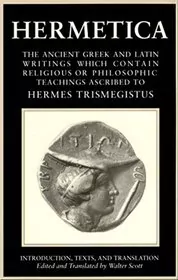
Hermetica, Vol. 1
by Sir Walter Scott
1985
The foundation of the series, this volume presents the Greek and Latin Hermetic texts with English translation. It is the place to start if you want the primary writings before the commentary volumes.
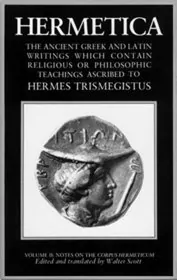
Hermetica, Vol. 2
by Sir Walter Scott
1985
This volume continues the scholarly apparatus of the Hermetica set, offering detailed notes and commentary on the ancient texts attributed to Hermes Trismegistus. It is aimed at careful readers rather than casual browsers.
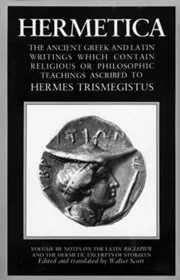
Hermetica, Vol. 3
by Sir Walter Scott
1985
Further notes, testimonia, and interpretive material deepen the set's study of Hermetic thought. Readers interested in late antique religion and philosophy will find this volume especially rich.
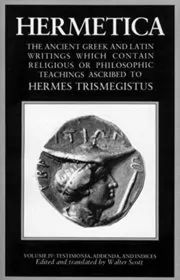
Hermetica, Vol. 4
by Sir Walter Scott
1985
The final volume gathers more commentary, addenda, testimonia, and indexes for the Hermetica project. It is most useful once you are already working through the earlier volumes.
Hermetica books in chronological order
Series background & context
The Hermetica books are not historical novels at all. They are a scholarly, multi-volume set built around ancient Greek and Latin writings attributed to Hermes Trismegistus, along with a large body of notes and commentary. If you come here expecting a Scott novel, this set is something else entirely.
At the heart of the project is the old Hermetic corpus, religious and philosophical texts produced in the ancient Mediterranean world. These writings move through questions about God, mind, the soul, the structure of the cosmos, revelation, and the link between spiritual knowledge and human life. They sit at the meeting point of late antique religion, Platonist philosophy, and Egyptian tradition filtered through Greek and Latin.
In other words, this is a desk set, not a fireside tale.
Volume 1 is the natural starting point because it gives the primary texts themselves, with the original Greek or Latin and an English translation. That lets readers meet the Hermetic writings directly before moving into the denser explanatory material. The later volumes expand outward through commentary, testimonia, notes, addenda, and reference tools.
That structure matters. The first volume can appeal to curious general readers, especially those interested in ancient religion or the history of esoteric thought. Volumes 2, 3, and 4 are more specialized. They slow down over difficult passages, compare manuscripts and traditions, and map how these texts were understood in antiquity and later scholarship.
So what should you expect from the series as a whole? Not a single narrative, and not quick reading. Expect patient scholarship, close argument, and a book-by-book build from text to explanation. The payoff is depth. By the end of the set, readers have both the writings themselves and a framework for understanding where they came from and why they mattered.
It is the kind of series people work through, annotate, and keep within reach.
If you are deciding where to begin, start with Volume 1 if your main interest is the ancient material. Move on to the later volumes if you want the full scholarly apparatus. This page is most useful as a guide to order and scope, because the series makes far more sense once you know which volumes contain the texts and which ones do the heavy interpretive lifting.
















Edited by
Software engineer whose passion for tracking book recommendations from podcasts inspired the creation of MRB.
Lead investor at 3one4 Capital whose startup expertise and love for books helped shape MRB and its growth.
Comments
Did we miss something? Have feedback?
Help us improve this page by sharing your thoughts