
Seishi Yokomizo Books in Order
Explore Seishi Yokomizo's mysteries in order, with book summaries, Kosuke Kindaichi series background, and clear guidance on where to start reading.
Last updated: 1 new book added
As an Amazon Associate, we earn from qualifying purchases (at no extra cost to you).
Seishi Yokomizo books in publication order
8 books
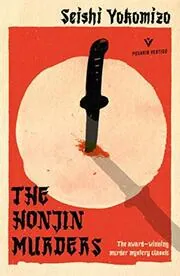
The Honjin Murders
by Seishi Yokomizo
1946
On a snowy wedding night in 1937, a newlywed couple is found butchered inside a locked annexe, a bloodied sword standing outside in untouched snow. Called in to help, Kosuke Kindaichi must untangle family secrets and an eerie three-fingered stranger.
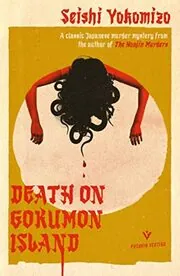
Death on Gokumon Island
by Seishi Yokomizo
1948
After the war, Kosuke Kindaichi travels to isolated Gokumon Island to deliver a comrade's last message, a warning that his three sisters will be killed. When brutal, symbolic murders strike the clan, Kindaichi must decode island feuds and wartime guilt.
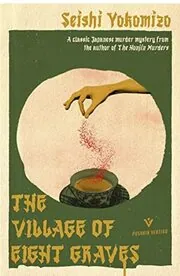
The Village of Eight Graves
by Seishi Yokomizo
1949
In a mountain village haunted by a legend of eight murdered samurai, young Tatsuya learns his outlaw father may have been behind a past massacre. When new killings echo the old curse, Kosuke Kindaichi digs into buried grudges and hidden treasure.
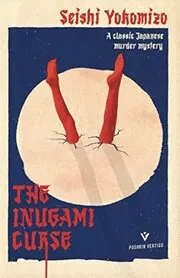
The Inugami Curse
by Seishi Yokomizo
1972
When tycoon Sahei Inugami dies, his bizarre will pits three grandsons against a young woman who will inherit everything if she marries one of them. As heirs start dying in grotesque ways, Kosuke Kindaichi unpicks motives of greed, revenge, and old scandals.
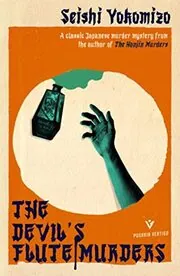
The Devil’s Flute Murders
by Seishi Yokomizo
2023
In ruined postwar Tokyo, a composer vanishes and is later reported dead by poison, though his family doubts the body is his. When a séance to contact him ends in new murder, Kosuke Kindaichi untangles Tsubaki family secrets and the eerie music shadowing them.

The Little Sparrow Murders
by Seishi Yokomizo
2024
Invited to a remote spa village to look into a twenty-year-old killing, Kosuke Kindaichi arrives just as new murders start. Bodies are arranged to match the verses of a local children's song, forcing him to probe Onikobe's feuding families and buried shame.

Murder at the Black Cat Café
by Seishi Yokomizo
2025
In bomb-scarred Tokyo, a night patrolman catches a young monk digging in the garden of the Black Cat Café and uncovers a faceless woman and a dead cat. Kosuke Kindaichi's inquiry into the brothel's past exposes jealousies, shifting identities, and postwar desperation.
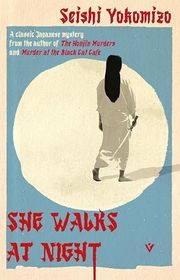
She Walks at Night
by Seishi Yokomizo
2026
Detective Kosuke Kindaichi enters the troubled Furugami estate after an heiress’s fiancé is found beheaded. A violent patriarch, concealed relationships, and competing family stories complicate his investigation as he tries to expose the killer behind the household’s secrets.
Where to start with Seishi Yokomizo
If you are new to Seishi Yokomizo: The Honjin Murders → The Inugami Curse → Death on Gokumon Island
If you like eerie village legends and curses: The Village of Eight Graves → The Little Sparrow Murders
If you enjoy postwar Tokyo mysteries: The Devil’s Flute Murders → Murder at the Black Cat Café
If you prefer self-contained family sagas: The Inugami Curse → The Village of Eight Graves
Seishi Yokomizo sub-series and character series
Detective Kosuke Kindaichi books in order
Explore this seriesDetective Kosuke Kindaichi books in chronological order
Author bio
Seishi Yokomizo was born in 1902 in Kobe, a busy port city in Japan's Hyogo Prefecture, and grew up devouring detective stories. He would go on to turn that obsession into a long career writing twisty mystery novels.
As a young man he worked at Daiichi Bank, and in 1921 he slipped his first mystery story into the pages of the magazine Shin Seinen. At the same time he studied pharmacy at Osaka Pharmaceutical College, planning to take over his family's drugstore.
That sensible plan slowly lost its grip as his love of fiction, and the encouragement of crime writer Edogawa Rampo, pulled him toward a writer's life.
In 1926 Yokomizo moved to Tokyo to join the Hakubunkan publishing house, where he edited popular magazines and learned how commercial fiction worked from the inside. After a few years he walked away from a secure editorial job so he could write full time, a risky decision in early 1930s Japan.
Poor health and censorship made the next stretch difficult. Yokomizo contracted tuberculosis, and while recovering in the mountains of Nagano in 1934 he drafted his first novel, Onibi, a historical detective tale that was published the following year with sections cut by government censors. He kept writing through illness and tight finances, joking to friends that he was in a race to see whether disease or hunger would claim him first.
World War II brought paper shortages and stricter controls on what could be printed, so many of his stories had to wait. After the war, with Japan rebuilding and readers hungry for escape, his work finally found a wide audience. He began running mystery serials in mass-market magazines and focused on tightly constructed whodunits that used the tricks of classic Western detective fiction while staying rooted in Japanese life.
Central to this late success was his creation of private detective Kosuke Kindaichi. Beginning with The Honjin Murders in 1946, Yokomizo sent Kindaichi into country mansions, island communities and city backstreets in novels like The Inugami Curse, Death on Gokumon Island, The Village of Eight Graves and The Devil's Flute Murders. The cases often turn on locked rooms, strange wills, curses or old crimes that refuse to stay buried.
Readers come for the puzzles but tend to stay for the atmosphere. Yokomizo lingers over weather, landscapes and rituals, and he uses murders to expose the tensions of the Showa era, from rigid family expectations to the scars left by war and rapid social change. His detectives and suspects may talk about alibis and footprints, yet the stories keep circling back to love, resentment, loyalty and shame.
Kindaichi himself, with his rumpled kimono, untidy hair and nervous stammer, is an unlikely hero who sees more than the polished police officers around him.
Over the course of his career Yokomizo wrote dozens of Kindaichi novels and many other mysteries, selling millions of copies in Japan and inspiring a steady stream of film, television and stage adaptations. He received honors such as the Mystery Writers of Japan Award and the Order of the Sacred Treasure, yet his books remain direct and accessible, more interested in entertaining readers than impressing critics. Yokomizo continued working into his late seventies and died in Tokyo in 1981, leaving behind a body of crime fiction that is still being rediscovered by new generations and in new languages.









Edited by
Software engineer whose passion for tracking book recommendations from podcasts inspired the creation of MRB.
Lead investor at 3one4 Capital whose startup expertise and love for books helped shape MRB and its growth.
Comments
Did we miss something? Have feedback?
Help us improve this page by sharing your thoughts