
Sarah Moss Books in Order
Explore all Sarah Moss books in order, with quick summaries, series background, nonfiction and memoirs, plus guidance on where to start reading her work.
Last updated:
As an Amazon Associate, we earn from qualifying purchases (at no extra cost to you).
Sarah Moss books in publication order
15 books
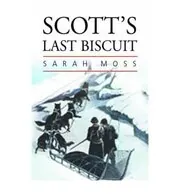
Scott's Last Biscuit
by Sarah Moss
2004
Drawing on diaries, letters and fiction, this study of polar exploration looks at why disastrous voyages and last‑minute rescues so grip the imagination. Moss explores frostbite, starvation, national pride and the often overlooked women of the Arctic and Antarctic stories.
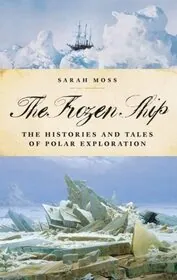
The Frozen Ship
by Sarah Moss
2006
Combining history and literary criticism, The Frozen Ship traces five centuries of journeys into the Arctic and Antarctic, from early voyagers to Scott and Shackleton. It examines how tales of ice, danger and endurance shaped popular ideas of heroism, empire and the polar regions.
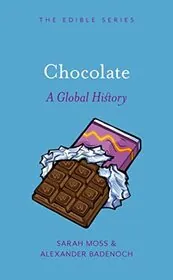
Chocolate
by Sarah Moss
2009
This concise history follows chocolate from its sacred role in Mesoamerican ritual through European courts and industrial factories to today’s global brands. Moss and her co‑author explore how a bitter ceremonial drink became a symbol of luxury, desire and mass‑market indulgence.
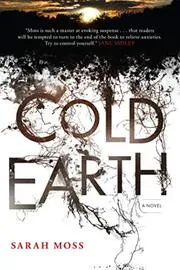
Cold Earth
by Sarah Moss
2009
A small team of archaeologists excavating Norse ruins on Greenland’s coast learn that a deadly pandemic is sweeping the world just as contact with home is cut off. Trapped with the Arctic winter closing in, they write desperate letters that reveal old secrets and growing fear.
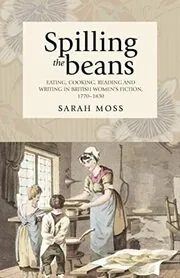
Spilling the Beans
by Sarah Moss
2010
An academic study of eighteenth‑ and nineteenth‑century British women’s fiction, Spilling the Beans looks at how scenes of eating, cooking and shared meals reveal power, desire and national identity. It shows how food on the page reflects both domestic labor and wider social change.
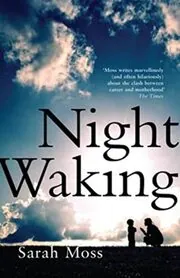
Night Waking
by Sarah Moss
2011
Historian Anna Bennett is trying to finish a book while caring for two young sons on a remote Hebridean island where her husband counts puffins. Exhausted and sleepless, she uncovers a baby’s skeleton in the garden, drawing her into a parallel story of a nineteenth‑century nurse and buried grief.
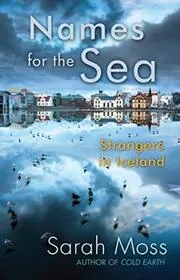
Names for the Sea
by Sarah Moss
2012
After taking a university job in Reykjavík during Iceland’s financial crisis, Moss moves her young family to a half‑finished apartment block on the city’s edge. This memoir charts their year as foreigners, balancing childcare and teaching with learning a new landscape, language and way of living.
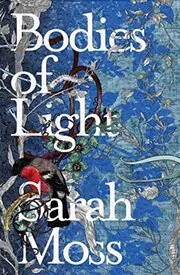
Bodies of Light
by Sarah Moss
2014
In Victorian Manchester, Ally Moberley grows up between an artist father’s sensual world and a devout mother’s harsh philanthropy. As Ally trains to become one of the first women doctors, she battles anxiety, self‑punishment and a society determined to keep her in her place.
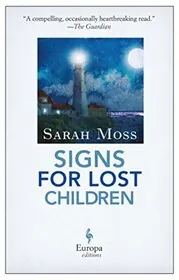
Signs for Lost Children
by Sarah Moss
2015
Newly married doctor Ally Cavendish begins work at a women’s asylum in Cornwall just as her engineer husband Tom departs to build lighthouses in Japan. Separated by oceans and expectations, both must face the cost of their ambitions and the fragility of their mental health.
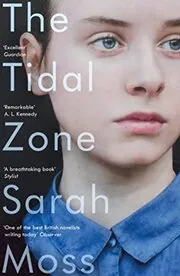
The Tidal Zone
by Sarah Moss
2016
Adam, a stay‑at‑home father researching the bombing and rebuilding of Coventry Cathedral, is thrown into crisis when his teenage daughter suddenly collapses at school. As doctors search for answers, the family learn how to live with uncertainty, fear and a renewed awareness of mortality.
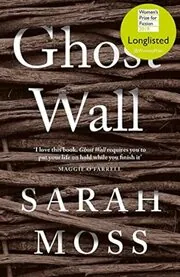
Ghost Wall
by Sarah Moss
2018
Seventeen‑year‑old Silvie joins her bus‑driver father, her mother and a small group of students on an experimental archaeology camp in rural Northumberland, living as Iron Age Britons. As the reenactment darkens into ritual and violence, Silvie must confront both ancient cruelty and her father’s control.
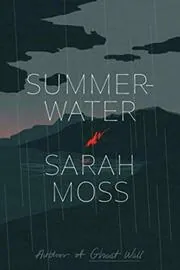
Summerwater
by Sarah Moss
2020
Over a single rain‑soaked summer day at a remote Scottish holiday park, families watch each other from neighbouring cabins, nursing private grievances and quiet fears. Shifting between twelve perspectives, the novel builds an uneasy tension that culminates in a sudden, devastating act.
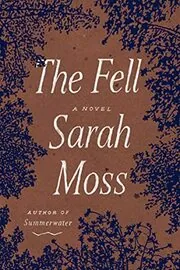
The Fell
by Sarah Moss
2021
During England’s 2020 lockdown, single mother Kate slips out of quarantine for a solitary walk on the moor above her home and suffers a serious fall. As night and bad weather close in, her teenage son, elderly neighbour and local rescuers reckon with fear, guilt and responsibility.

My Good Bright Wolf
by Sarah Moss
2024
This memoir follows Moss’s lifelong struggle with an eating disorder from a strict, academically driven childhood into adult relapse during the Covid era. Blending memory, literary reflection and a protective inner “wolf” voice, she examines shame, illness and the slow, uneven work of recovery.

Ripeness
by Sarah Moss
2025
In Ripeness, Edith looks back on a teenage summer spent caring for her pregnant ballerina sister in 1960s rural Italy from a later life in contemporary Ireland. As an old secret resurfaces through a friend’s long‑lost brother, she reconsiders family ties, migration and what belonging really means.
Where to start with Sarah Moss
If you’re new to Sarah Moss and want a short, intense read: Ghost Wall → Summerwater
If you like contemporary family drama and medical themes: The Tidal Zone → The Fell
If you enjoy historical fiction about women’s lives: Bodies of Light → Signs for Lost Children
If you prefer memoir and nonfiction: Names for the Sea → My Good Bright Wolf
Sarah Moss collections, short stories, and related book types
Non-Fiction Books
Edible Books
Standalone Sarah Moss books
Author bio
Sarah Moss is an English novelist, memoirist and academic whose work circles around family life, illness, history and the fragile bodies we live in. Born in Glasgow in 1975 and raised in Manchester, she grew up in the north of England before leaving for university at eighteen. Today she’s best known for spare, unsettling novels such as Ghost Wall, Summerwater and The Fell, alongside travel writing and memoir.
She studied English at the University of Oxford, staying long enough to complete a BA, a master’s degree and a doctorate in Romantic‑period literature. Her research focused on travel writing and polar exploration, tracing how voyages into the Arctic helped shape British Romanticism and later ideas about wilderness and empire.
That work led to early nonfiction books on polar history and its literature, including studies of exploration narratives and the myths that grew up around them. At the same time she was writing about food, gender and domestic life in women’s writing, and later co‑wrote a short global history of chocolate. Even before her first novel, she was already interested in how everyday habits, bodies and landscapes meet on the page.
From 2004 Moss taught at the University of Kent, and after that held posts at universities in Exeter and Warwick. In 2009 she moved with her partner and two young children to Reykjavík for a year to teach at the University of Iceland. The experience of living through the country’s financial crash and a volcanic eruption became the basis of her memoir Names for the Sea: Strangers in Iceland, which mixes daily life with interviews, history and sharp observation.
Fiction arrived alongside this academic work. Her debut novel Cold Earth strands a group of archaeologists at a Greenland dig as news of a mysterious pandemic reaches them, mixing survival story with ghostly unease. Night Waking followed, sending a sleep‑deprived historian and her young children to a remote Hebridean island, where the discovery of an infant’s bones unlocks buried histories of motherhood and colonialism. The book won the Jerwood Fiction Uncovered Prize and brought Moss to a wider audience.
With Bodies of Light and its companion novel Signs for Lost Children, she turned to Victorian Manchester and Cornwall, tracing the struggles of Ally Moberley, a pioneering woman doctor shaped by a childhood of religious zeal and emotional neglect. These novels, like much of Moss’s work, are preoccupied with mental health, women’s work and the costs of respectability, and they were repeatedly recognised by the Wellcome Book Prize for their engagement with medicine and care.
The Tidal Zone brought those themes into a contemporary family, following a stay‑at‑home father after his teenage daughter collapses without warning at school, and weaving in the story of Coventry Cathedral’s destruction and rebuilding. Later novels such as Ghost Wall, Summerwater and The Fell are shorter, tenser books, often told over a single compressed span of time. They explore abusive family dynamics, environmental anxiety, lockdown claustrophobia and the fault lines of class, racism and nationalism.
Moss has also written more directly about her own life. My Good Bright Wolf is a searching memoir of a long struggle with an eating disorder, shaped by a strict, academically ambitious upbringing and by the stories society tells about women’s bodies. Her 2025 novel Ripeness moves between 1960s Italy and present‑day Ireland, using one woman’s life to ask what it means to belong and what is owed to children who were sent away.
Alongside writing, Moss has built a steady academic career. She was elected a Fellow of the Royal Society of Literature in 2019, and since 2020 she has taught creative writing at University College Dublin, where she works with emerging writers on MA and MFA programmes. She now lives in Ireland, still writing fiction, essays and criticism that stay close to ordinary lives while quietly asking big questions about history, care and how we live together.

Edited by
Software engineer whose passion for tracking book recommendations from podcasts inspired the creation of MRB.
Lead investor at 3one4 Capital whose startup expertise and love for books helped shape MRB and its growth.
Comments
Did we miss something? Have feedback?
Help us improve this page by sharing your thoughts