
Robert Graves Books in Order
See Robert Graves books in order with short summaries, background notes, and where to start, plus a guide to his poetry, memoir, and historical novels.
Last updated:
As an Amazon Associate, we earn from qualifying purchases (at no extra cost to you).
Robert Graves books in publication order
67 books
The Meaning of Dreams
by Robert Graves
1924
Robert Graves examines theories of dreaming, from earlier explanations to Freud, and proposes his own account of divided selves. Discussions address different kinds of dreams, interpretation, and the relationship between dream experience and poetic creation.

My Head! My Head!
by Robert Graves
1925
The prophet Elisha visits a Shunamite woman whose searching questions draw out an unconventional history of Moses and ancient Israel. Their encounters expand a biblical episode into a narrative concerned with religious origins, tradition, and hidden knowledge.
Poetic Unreason And Other Studies
by Robert Graves
1925
These studies approach poetry through psychology, examining consciousness, emotional conflict, and the workings of poetic thought. Robert Graves combines literary analysis with discussions of genius, symbolism, and the distinctions between classical and romantic approaches to writing.
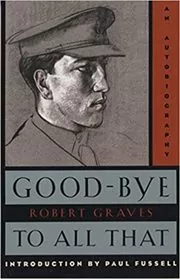
Good-Bye to All That
by Robert Graves
1927
Robert Graves recounts his upbringing, military service, and disillusionment during the First World War. Experiences in the trenches and encounters with English institutions shape an autobiography written as he prepares to leave his country and former life.
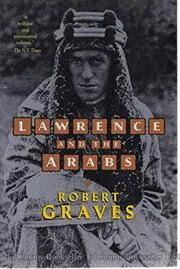
Lawrence and the Arabs
by Robert Graves
1927
This biography follows T. E. Lawrence’s involvement in the Arab Revolt against Ottoman rule during the First World War. Written with Lawrence’s cooperation, it examines his military role, relationships with Arab leaders, and the man behind his reputation.

No Decency Left
by Robert Graves
1932
On her twenty-first birthday, shop assistant Barbara decides to transform her life. A whirlwind encounter with royalty carries her from humble lodgings toward extraordinary political adventures, in a satirical novel co-written by Robert Graves and Laura Riding.
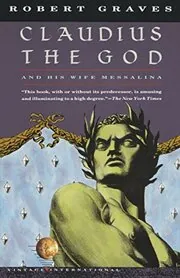
Claudius the God and His Wife Messalina
by Robert Graves
1934
Unexpectedly elevated to emperor, Claudius attempts to govern Rome through reform and military expansion. His marriage to Messalina and the ambitions of those around him complicate the task, drawing his reign into dangerous domestic and political intrigue.
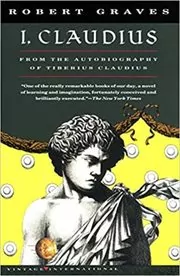
I, Claudius
by Robert Graves
1934
Dismissed by his powerful relatives because of his physical difficulties, Claudius observes the dangerous workings of Rome’s imperial household. His fictional memoir recounts family rivalries and political conspiracies during the reigns of Augustus, Tiberius, and Caligula.
Recommended by
1 person Jordan Peterson recommended this book
Jordan Peterson
Recommended on Jordan Peterson's website.
Jordan Peterson's recommendation of this book
Antigua, Penny, Puce
by Robert Graves
1936
Siblings Jane and Oliver carry a childhood dispute over a rare Antiguan postage stamp into adulthood. As their rivalry hardens into hostile correspondence and legal proceedings, a small collectible becomes the focus of an increasingly destructive struggle.
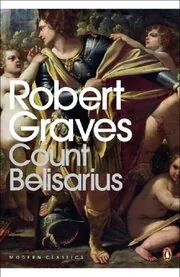
Count Belisarius
by Robert Graves
1938
A servant recounts the career of Belisarius, a sixth-century general defending the Roman Empire against formidable enemies. Military success attracts jealousy at Constantinople, where Emperor Justinian’s court turns the commander’s loyalty and honor into political liabilities.
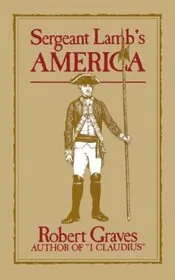
Sergeant Lamb's America
by Robert Graves
1940
Irish soldier Roger Lamb joins the British Army and crosses the Atlantic during the American Revolution. Drawing on historical memoirs, his fictional account follows campaigning from a British perspective, where personal decency meets the hardships of military service.
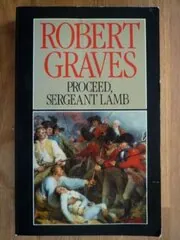
Proceed, Sergeant Lamb
by Robert Graves
1941
Captured after Saratoga, British soldier Roger Lamb waits in a prison camp near Boston. When Congress refuses to ratify a repatriation agreement, he plans an escape, beginning further adventures through the divided loyalties of the American Revolution.
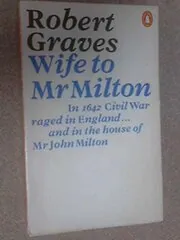
Wife to Mr. Milton
by Robert Graves
1943
Sixteen-year-old Marie Powell is married to John Milton to settle her father’s debt. Through fictional journals, she describes an unhappy adjustment to his London household while civil war intensifies the clash between her wishes and his authority.
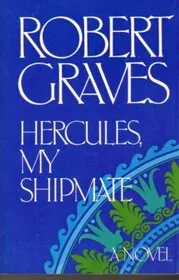
The Golden Fleece / Hercules My Shipmate
by Robert Graves
1944
Jason assembles a company of heroes, including Hercules, to sail aboard the Argo and recover the sacred Golden Fleece. Their voyage crosses an ancient world of religious rivalries, formidable tasks, and shifting loyalties that threaten the expedition.
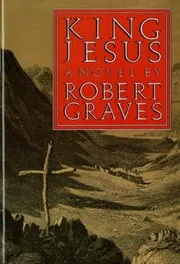
King Jesus
by Robert Graves
1946
A first-century official narrates an unconventional life of Jesus, imagined as a mortal descendant of Herod with a hidden royal claim. His upbringing and public mission unfold amid the religious traditions and political struggles of ancient Judaea.
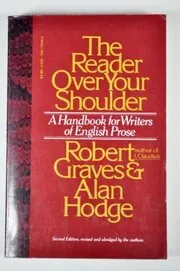
The Reader Over Your Shoulder
by Robert Graves
1947
Robert Graves and Alan Hodge examine the principles of clear English prose and the habits that obstruct understanding. Their handbook combines discussion of language and writing with detailed criticism of passages by established authors and public figures.
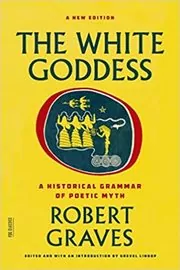
The White Goddess
by Robert Graves
1948
Robert Graves explores poetry’s mythological origins through a proposed goddess of birth, love, and death. Drawing connections among European traditions, calendars, symbols, and religious stories, he develops a personal theory of poetic inspiration and the Muse.
Recommended by
1 person Caterina Fake recommended this book
Caterina Fake
"A very meaningful book." - Caterina Fake
Caterina Fake's recommendation of this book
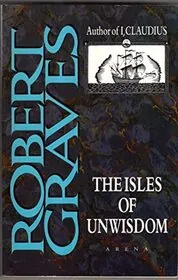
Isles of Unwisdom
by Robert Graves
1949
A Spanish expedition led by Álvaro de Mendaña sails in search of the Solomon Islands. Its encounter with island communities brings competing needs and expectations into conflict, as hunger, ambition, and leadership problems undermine the voyage.

Seven Days in New Crete / Watch the North Wind Rise
by Robert Graves
1949
Twentieth-century Edward Venn-Thomas finds himself transported into a future society without hunger or war. Its goddess-centered order initially seems idyllic, but he grows dissatisfied with its perfection and begins questioning the absence of darker human impulses.
Occupation
by Robert Graves
1950
This miscellany combines essays, stories, and plays drawn from Robert Graves’s varied interests. Subjects range from swearing and humor to history, social behavior, and the working writer’s position, bringing imaginative writing together with argument and personal reflection.
The Nazarene Gospel Restored
by Robert Graves
1953
Robert Graves and Joshua Podro compare Gospel texts and propose a reconstructed account of Jesus’s life and teachings. Commentary, discussion of biblical criticism, and an extended narrative present their interpretation of the traditions underlying the New Testament.
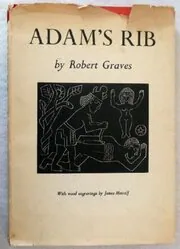
Adam's Rib
by Robert Graves
1955
Robert Graves examines unusual elements in the opening chapters of Genesis, including the creation of Eve from Adam’s rib. He proposes that some narratives developed through interpretations of Canaanite religious images adopted or encountered by the Hebrews.
Homer's Daughter
by Robert Graves
1955
Princess Nausicaa faces a crisis within a Greek settlement in Sicily and reshapes inherited legends through her own experience. The novel imagines circumstances in which she could have composed the <em>Odyssey</em> and entered the Homeric tradition.
The Crowning Privilege
by Robert Graves
1955
Robert Graves’s Clark Lectures examine professional standards in poetry and the poet’s responsibility to the Muse. Additional essays and poems extend his arguments about literary judgment, independence, and the demands he believes genuine poetic work places on writers.
The Greek Myths
by Robert Graves
1955
Robert Graves retells Greek mythology from the creation of the world to the Trojan War and Odysseus’s homecoming. The narratives appear alongside commentary and analysis, connecting stories of gods and heroes with his interpretations of their origins.
They Hanged My Saintly Billy
by Robert Graves
1957
Accounts from friends and enemies reconstruct the life of William Palmer, a surgeon entangled in gambling, forgery, and scandal. As suspicion of poisoning surrounds him, the novel examines the evidence and competing voices behind a notorious Victorian prosecution.

Steps
by Robert Graves
1958
Stories, talks, essays, poems, and historical studies bring together Robert Graves’s literary and intellectual interests. Pieces address poetic criticism, mythology, language, and disputed historical questions, with subjects ranging from Majorcan life to Troy and the American Revolution.
Greek Gods and Heroes
by Robert Graves
1960
Retold for younger readers, these Greek myths introduce the Olympian gods and the heroes who confront their power. Tales of quests, transformations, and extraordinary challenges connect mortal adventures with the rivalries and demands of the divine world.
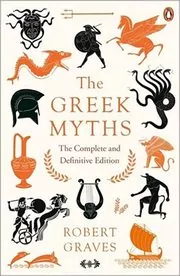
The Greek Myths
by Robert Graves
1960
Creation stories, divine rivalries, heroic quests, and the Trojan cycle form this collection of Greek myths. Robert Graves combines narrative retellings with explanatory notes, offering his own readings of the traditions and rituals behind familiar classical stories.
Myths of Ancient Greece
by Robert Graves
1961
This collection retells Greek myths for young readers, introducing gods, Titans, Giants, and legendary heroes. Their adventures move between Olympus and the mortal world, where divine rivalries and dangerous quests shape the lives of people and kingdoms.
Selected Poetry and Prose
by Robert Graves
1961
James Reeves selects, introduces, and annotates poetry and prose by Robert Graves. A discussion of the writer’s life accompanies the texts, while explanatory notes provide context for readers exploring examples from both sides of his literary work.
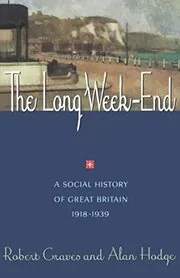
The Long Week-End
by Robert Graves
1961
Robert Graves and Alan Hodge survey British society between the First and Second World Wars. Politics, fashions, popular culture, and domestic life reveal how the country changed during an interwar period framed by two immense conflicts.
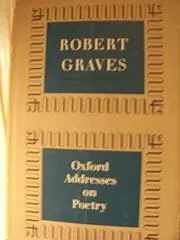
Oxford Addresses on Poetry
by Robert Graves
1962
These addresses present Robert Graves’s views on poetic dedication, inspiration, and the personal Muse. Delivered during his Oxford professorship, they consider the poet’s vocation through discussions including the dedicated poet, the anti-poet, and the value of poetic language.
The Big Green Book
by Robert Graves
1962
Jack discovers a book of spells in his aunt and uncle’s attic. Transforming himself into an old man with magical powers, he begins testing the book’s possibilities, upsetting household authority and changing his relationship with the family dog.
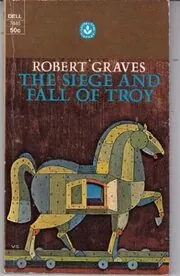
The Siege and Fall of Troy
by Robert Graves
1962
Robert Graves retells the legends surrounding Troy, from its beginnings through the war and the Greek heroes’ journeys home. The narrative brings together rival leaders, divine interventions, and human ambitions that turn a personal conflict into prolonged warfare.
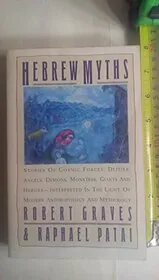
Hebrew Myths
by Robert Graves
1963
Robert Graves and Raphael Patai examine the stories of Genesis alongside Jewish folklore, midrash, and other traditions. Retellings and commentary draw on sources beyond the biblical text to explore variations and interpretations of Hebrew creation and ancestral myths.
Majorca Observed
by Robert Graves
1965
Robert Graves portrays Majorcan life through pieces on local customs, schooling, history, and his reasons for settling on the island. Paul Hogarth’s illustrations accompany observations that move between personal experience, community stories, and the island’s cultural past.
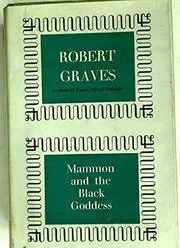
Mammon and the Black Goddess
by Robert Graves
1965
Essays and lectures connect Robert Graves’s ideas about money, science, translation, and poetry. Discussions of literary craft and inspiration lead into his developing concept of the Black Goddess and the relationships between myth, modern culture, and poetic experience.
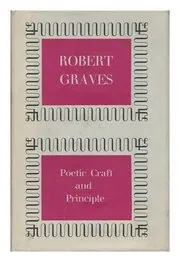
Poetic Craft and Principle
by Robert Graves
1967
This collection gathers Robert Graves’s Oxford poetry lectures from 1964 and 1965, together with a discussion of the word romantic. The talks present his thinking about poetic work, bringing questions of craftsmanship into contact with literary principle.
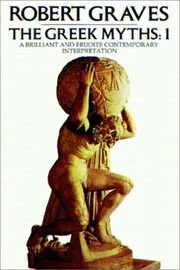
The Greek Myths and Legends
by Robert Graves
1967
The labors of Hercules, the Argonauts’ voyage, and the Trojan War join other classical stories in this retelling of Greek mythology. Commentary and an index support readers following the relationships among gods, heroes, monsters, and legendary kingdoms.
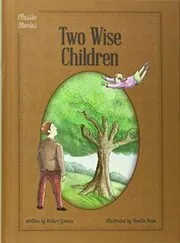
Two Wise Children
by Robert Graves
1967
Avis instantly masters anything she tries, while Bill can see into the past and future. The two New England children discover that their unusual gifts bring difficult choices, and that their decisions may cost them their magic.
The Greek Myths
by Robert Graves
1968
Graves retells Greek myths from the creation of the world and the Olympian gods to the Trojan War and Odysseus's return. Commentary examines sources, variant accounts, and interpretations alongside the interconnected adventures of gods and heroes.
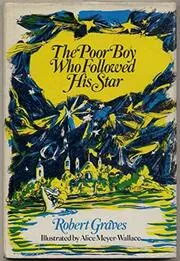
The Poor Boy Who Followed his Star
by Robert Graves
1968
An unhappy boy decides to follow his star in the title poem, seeking a different life through adventure. This illustrated volume also includes Hide and Seek, The Hero, and At Seventy-Two, poems written for younger readers.
Difficult questions, easy answers
by Robert Graves
1972
These essays consider poetry, genius, craftsmanship, religion, and twentieth-century cultural life. Graves moves between literary argument and speculative interpretations of ancient beliefs, including discussions of Dionysus and the possible relationship between mushrooms and religious practices.
Laius, Iocaste and Oedipus
by Robert Graves
1972
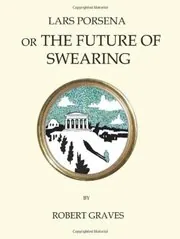
Lars Porsena
by Robert Graves
1972
Graves examines swearing and improper language as features of English social history. This short essay considers the changing force of forbidden words and the role of censorship, treating supposedly offensive speech as a subject for serious inquiry.
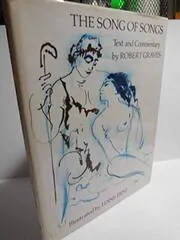
The Song Of Songs
by Robert Graves
1973
Graves presents his version of the biblical Song of Songs with an introduction and commentary, accompanied by Hans Erni's illustrations. The text explores the imagery, desire, and expressions of love within this sequence of ancient poetry.
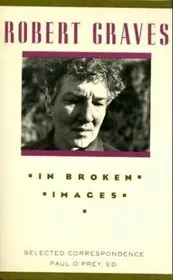
In Broken Images
by Robert Graves
1974
Selected letters from 1914 to 1946 follow Graves through war, literary friendships, collaboration, and changing personal circumstances. Paul O'Prey's commentary places correspondence with figures including Siegfried Sassoon and Laura Riding within the development of his writing life.
Life of Sir William Rowan Hamilton
by Robert Graves
1975
On English Poetry
by Robert Graves
1975
Graves explores poetry through subjective reflections on inspiration, emotion, diction, rhythm, and literary form. Examples from English verse support an inquiry into how poems arise, how they work, and what distinguishes poetic expression from ordinary reasoning.
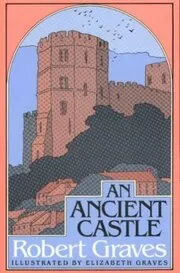
An Ancient Castle
by Robert Graves
1980
When an unscrupulous war profiteer threatens his father's position as keeper of an ancient castle, young Giles and his friend Bronwen become involved in its hidden secrets. Their discoveries offer a possible way to defend the family.
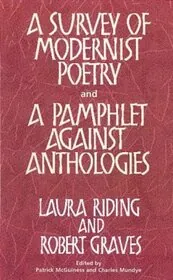
A Survey of Modernist Poetry
by Robert Graves
1982
Laura Riding and Robert Graves examine modernist poetry through close attention to language, punctuation, form, and subject matter. Readings of writers including Cummings and Eliot consider why experimental poems challenge readers and how their techniques create meaning.
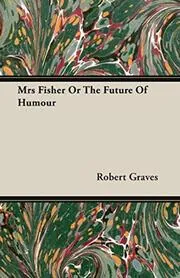
Mrs. Fisher or The Future of Humour
by Robert Graves
1982
This short essay examines humour and its possible future with a deliberately solemn analytical approach. Graves turns joking into a subject of speculation, letting the seriousness of the inquiry contribute to the comic effect of the work itself.

The Common Asphodel
by Robert Graves
1982
Essays written between 1922 and 1949 develop Graves's arguments about the nature of poetry. Linked by his challenge to sentimental assumptions, the collection combines literary criticism with reflections on what poetry is and how it should be understood.
The English Ballad
by Robert Graves
1982
Graves combines a critical survey with a selection of traditional and more recent ballads. Songs of ghosts, battles, lovers, sailors, and outlaws provide examples for examining narrative verse, including Sir Patrick Spens, The Unquiet Grave, and Jesse James.
Eleven songs
by Robert Graves
1983
Eleven lyric poems form this brief collection, including Just Friends, Though Once True Lovers, Sullen Moods, and Crown of Stars. The selections move through intimate relationships and moods, using natural images alongside reflections on affection and love.
Selected Letters
by Robert Graves
1984
Published as Between Moon and Moon, these selected letters cover Graves's life from 1946 to 1972. Exchanges with friends, writers, and collaborators reveal his work on poetry, mythology, historical fiction, and translation alongside personal concerns and literary judgments.
Cobalt 60
by Robert Graves
1986
The Use and Abuse of the English Language
by Robert Graves
1990
Robert Graves and Alan Hodge offer a practical guide to English prose, examining how writers communicate accurately to readers. Their discussion considers the responsibilities of clear expression and the ways careless language can weaken or obscure meaning.
Dear Robert, Dear Spike
by Robert Graves
1991
Letters between Robert Graves and Spike Milligan record a friendship that began after a television appearance in 1964. Their exchanges mix jokes, personal confidences, and literary interests, bringing a classical scholar and comic performer into an affectionate correspondence.
Winter in Majorca
by Robert Graves
1992
In Robert Graves's translation, George Sand recounts the winter she spent on Majorca with Frédéric Chopin in 1838. Descriptions of the island's landscapes, inhabitants, and customs accompany the difficulties of their stay and her critical observations of local life.
So You Want to Get Married?
by Robert Graves
1994
Collected Writings on Poetry
by Robert Graves
1995
Critical writings trace Graves's evolving views on inspiration, poetic technique, craftsmanship, and the lyric tradition. Essays, lectures, and addresses examine individual poets and broader literary assumptions, bringing together arguments previously scattered across several books and publications.
Some Speculations on Literature, History and Religion
by Robert Graves
2001
Essays written across fifty years examine literature, history, and religion, tracing the development of Graves's ideas. Subjects include poetic consciousness, classical traditions, historical interpretation, mythology, superstition, and biblical questions, arranged to show connections within his wide-ranging interests.
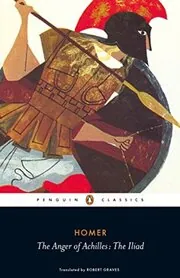
The Anger of Achilles
by Robert Graves
2002
Graves retells Homer's Iliad through the conflict between Achilles and Agamemnon during the Trojan War. Quarrelling leaders, wounded pride, divine interference, and grief shape a story in which a warrior's anger carries consequences for both armies.
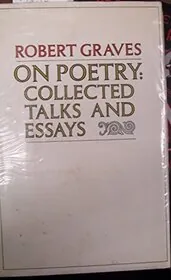
On Poetry
by Robert Graves
2004
Collected talks and essays present Graves's thinking about poetic dedication, inspiration, the personal muse, and literary craftsmanship. Readings of individual poems and criticism of other writers connect his practical standards with broader theories about poetry's origins and purpose.
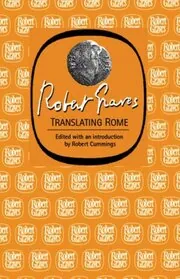
Translating Rome
by Robert Graves
2010
This volume combines Graves's translations of Apuleius's The Golden Ass, Lucan's Pharsalia, and Suetonius's The Twelve Caesars. An enchanted transformation, Rome's civil war, and imperial biographies bring together three different forms of Latin narrative and historical writing.
Standalone Robert Graves books







Edited by
Software engineer whose passion for tracking book recommendations from podcasts inspired the creation of MRB.
Lead investor at 3one4 Capital whose startup expertise and love for books helped shape MRB and its growth.
Comments
Did we miss something? Have feedback?
Help us improve this page by sharing your thoughts