
Richmal Crompton Books in Order
Browse Richmal Crompton books in order, with short summaries, series guides, and simple tips on where to start with William, Jimmy, and the adult novels.
Last updated:
As an Amazon Associate, we earn from qualifying purchases (at no extra cost to you).
Richmal Crompton books in publication order
69 books
Just William
by Richmal Crompton
1922
The first William book introduces eleven-year-old William Brown at home, at school, and in full revolt against adult order. It is the starting point for one of children's fiction's great troublemakers.
More William
by Richmal Crompton
1922
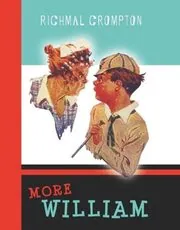
This early collection sends William through Christmas disasters, household battles, and fresh attempts to do things his own way. The result is funny, brisk, and unmistakably William.
William Again
by Richmal Crompton
1923
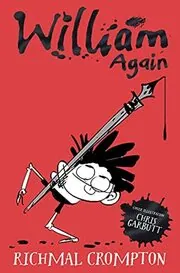
William returns with another fast, funny batch of schemes and misunderstandings. When he turns playwright and organizer, the trouble only grows.
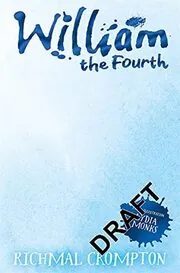
William the Fourth
by Richmal Crompton
1924
William's school, family, and village all feel the force of his latest plans. He tackles each new problem with certainty and leaves a trail of confusion behind him.
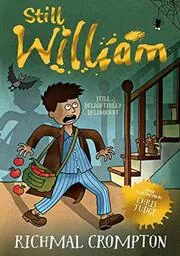
Still William
by Richmal Crompton
1925
William is still up to mischief, and the arrival of Violet Elizabeth Bott only makes life harder. Good intentions, blackmail, and chaos sit side by side here.
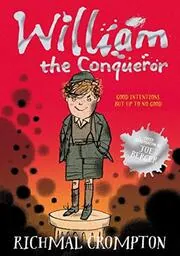
William the Conqueror
by Richmal Crompton
1926
Victory is what William wants, whether the battleground is school, home, or the village green. He leads the Outlaws with complete assurance and mixed results.
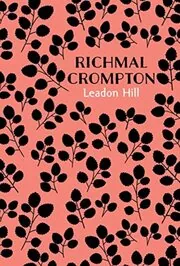
Leadon Hill
by Richmal Crompton
1927
In a quiet English village ruled by gossip, sharp-eyed Miss Mitcham makes life difficult for anyone who crosses her. Marcia Faversham and a new neighbor find themselves in the path of that malice.
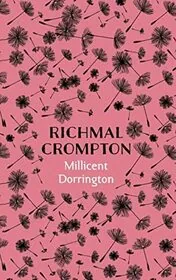
Millicent Dorrington
by Richmal Crompton
1927
Millicent grows from restless girl to the emotional center of a large family. It is a tender novel about duty, missed chances, and the strange weight of staying put.
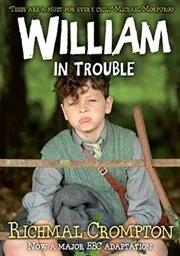
William in Trouble
by Richmal Crompton
1927
William's attempts to help, reform, and prosper place him in exactly the sort of trouble he never expects. The fun lies in how hard he charges ahead anyway.
William the Outlaw
by Richmal Crompton
1927
William sees himself as a fearless right-doer outside ordinary rules. That outlaw spirit makes perfect sense to him and none at all to the adults.

Felicity - Stands By
by Richmal Crompton
1928
Newly home from school, Felicity Harborough throws herself into matchmaking, rescues, and cheerful misadventure. These linked stories give Crompton a lively older heroine with William-like confidence.

MIST and Other Ghost Stories
by Richmal Crompton
1928
Crompton steps away from domestic comedy for eerie tales of hauntings, unease, and the supernatural. The stories are restrained, atmospheric, and often most unsettling in ordinary places.
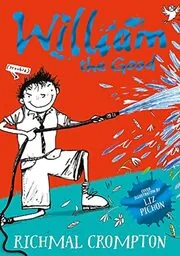
William the Good
by Richmal Crompton
1928
William tries being good, which turns out to be more alarming than his usual bad behavior. His virtuous phase causes comic damage on every side.
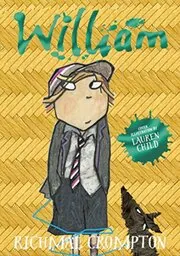
William
by Richmal Crompton
1929
Another strong collection of William Brown stories, this book sends him after fun, justice, and profit in equal measure. Each plan ends in fresh disorder.
Naomi Godstone
by Richmal Crompton
1930
When Naomi inherits a small country estate, she has to learn how to belong in village life while shaping a future of her own. A warm domestic novel about independence, work, and change.
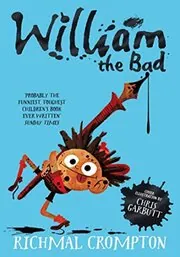
William the Bad
by Richmal Crompton
1930
William's honest wish to improve people and situations goes wrong in all the classic ways. The more certain he is of doing good, the worse things become.
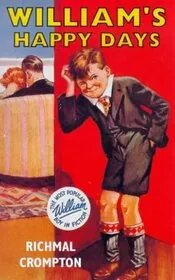
William's Happy Days
by Richmal Crompton
1930
Holidays, hobbies, and family life all become raw material for William's schemes. His idea of a happy day is rarely peaceful for anyone else.
William's Crowded Hours
by Richmal Crompton
1931
William packs his days with clubs, feuds, rescue attempts, and new money-making ideas. It is a busy, funny collection that barely gives the adults time to recover.
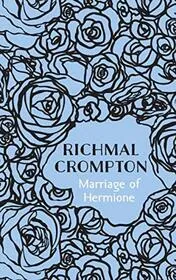
Marriage of Hermione
by Richmal Crompton
1932
Married off at seventeen, Hermione must grow into a life with a man who is not truly her match. The novel follows her through family strain, war, and hard-won understanding.
Portrait of a Family
by Richmal Crompton
1932
After his wife's death, Christopher Mainwaring is shaken by the hint that their long marriage may have hidden a painful secret. His search for the truth draws him deeper into the lives of his grown children.
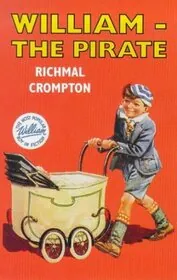
William the Pirate
by Richmal Crompton
1932
William turns pirate in spirit if not in seaworthiness, raiding everyday life for adventure and loot. The result is a lively collection of bold plans and comic wreckage.
The Holiday
by Richmal Crompton
1933
A family trip to the countryside brings freedom and adventure for the younger children, but the older ones begin to feel the first unsettling pull of adulthood. What looks like a simple break becomes a turning point.
William The Rebel
by Richmal Crompton
1933
Authority has never appealed to William, and here he resists it with special enthusiasm. His rebellion feels righteous to him and exhausting to everyone else.
Chedsy Place
by Richmal Crompton
1934
When Celia Beaton opens a beloved family house to paying Christmas guests, nostalgia quickly gives way to comic friction. A crowded holiday setting exposes loyalties, romances, and old tensions.
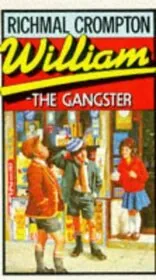
William the Gangster
by Richmal Crompton
1934
William borrows the language and swagger of crime for his latest games and adventures. The Outlaws are delighted, while the grown-ups are anything but.
Quartet
by Richmal Crompton
1935
Four siblings grow from a sheltered Edwardian childhood into adulthood under the shadow of war, love, vanity, and disappointment. It is a big-hearted family saga with Jenifer quietly holding the center.
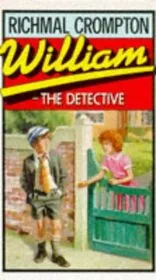
William the Detective
by Richmal Crompton
1935
Mysteries are never safe when William Brown decides to solve them. He suspects plots everywhere and investigates with alarming energy.
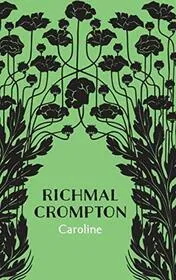
Caroline
by Richmal Crompton
1936
After raising her younger siblings, Caroline has built a household around love, sacrifice, and control. Trouble starts when the people she shaped begin wanting lives of their own.
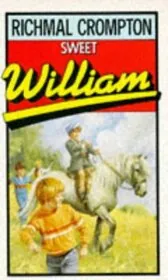
Sweet William
by Richmal Crompton
1936
William tries kindness, reform, and matchmaking, only to prove that sweetness can be dangerous. His helpful impulses create some of the series' funniest tangles.
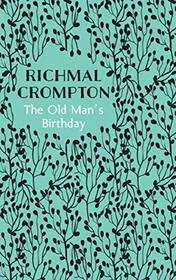
The Old Man's Birthday
by Richmal Crompton
1936
Ninety-five-year-old Matthew Rowston marks his birthday by gathering family, memories, and unresolved tensions. Beneath village calm lie secrets, hopes, and comic domestic trouble.
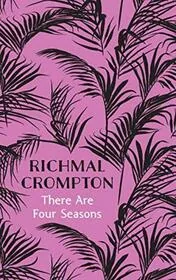
There Are Four Seasons
by Richmal Crompton
1937
Vicky spends her life searching for the love she was denied as a child. Her story moves through family, romance, and social change with warmth and melancholy.
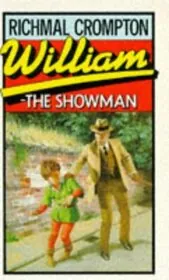
William The Showman
by Richmal Crompton
1937
William heads for the stage and the spotlight with complete assurance in his own talent. Performances, publicity, and self-importance combine beautifully badly.
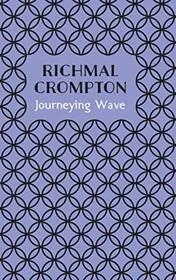
Journeying Wave
by Richmal Crompton
1938
After Humphrey's affair ends his marriage to Viola, two connected families struggle to find a new balance. Divorce, grief, and small hopes ripple through a wide cast of characters.
William the Dictator
by Richmal Crompton
1938
William decides that firm leadership is what everyone around him needs. His efforts to organize people his own way lead to rebellion, outrage, and laughter.
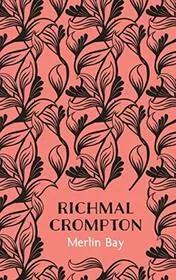
Merlin Bay
by Richmal Crompton
1939
A month-long family stay on the Cornish coast stirs old memories, new infatuations, and buried secrets. Behind the calm of seaside life, everyone is carrying private unrest.
William and Air Raid Precautions
by Richmal Crompton
1939
Blackouts, rules, and wartime duty give William a whole new field for interference. He is eager to help, which is exactly why trouble follows.
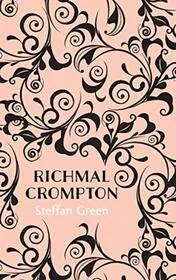
Steffan Green
by Richmal Crompton
1940
Escaping a broken marriage, Lettice Helston drifts into country life and uncovers an old scandal. New friends and quiet acts of help begin reshaping her future.
William and the Evacuees
by Richmal Crompton
1940
The arrival of evacuees changes the balance of William's world at once. New rivals, new allies, and wartime confusion give him plenty to work with.
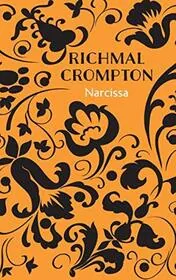
Narcissa
by Richmal Crompton
1941
Stella Markham grows from admired child to dangerously self-absorbed woman, needing others to mirror back perfection. It is a sharp family novel about vanity, damage, and emotional hunger.
William Does His Bit
by Richmal Crompton
1941
Determined to help the war effort, William throws himself into useful service. His patriotism is genuine, but his methods create problems nobody asked for.
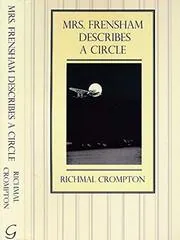
Mrs Frensham Describes a Circle
by Richmal Crompton
1942
After her home is bombed, Mrs Frensham moves in with family and watches wartime lives shift around her. A home-front novel about grief, resilience, and the strange closeness of crisis.
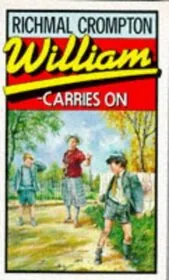
William Carries On
by Richmal Crompton
1942
Wartime does not slow William down. He keeps inventing plans, causing rows, and somehow turning patriotic enthusiasm into comic havoc.
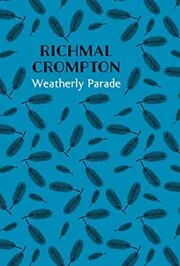
Weatherley Parade
by Richmal Crompton
1944
The Weatherley family moves from the Boer War to the edge of the Second World War, carrying scandal, loss, and hope through decades of change. It is a broad, absorbing family saga.
William And The Brains Trust
by Richmal Crompton
1945
William takes on experts, quizzes, and clever people with complete faith in his own ideas. The result is a spirited clash between child confidence and adult certainty.
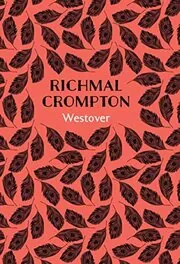
Westover
by Richmal Crompton
1946
A widow turns her crumbling house into flats and discovers that too many stubborn people under one roof means instant friction. Family strain and clashing tenants keep the old place lively.
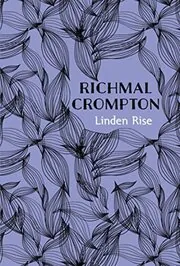
Linden Rise
by Richmal Crompton
1947
Young housemaid Tilly Pound enters a troubled household in 1892 and becomes an anchor as the years reshape the family. A sharp, class-aware saga about service, children, and survival.
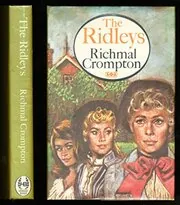
The Ridleys
by Richmal Crompton
1947
The Ridley family sits at the center of village and domestic life, where private disappointments keep rubbing against public appearances. Crompton turns ordinary family strain into quiet, steady drama.
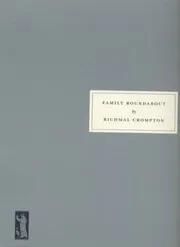
Family Roundabout
by Richmal Crompton
1948
Two widowed matriarchs, one commanding and one easygoing, steer their families through the interwar years. Marriages, rivalries, and generational change bind the clans together.
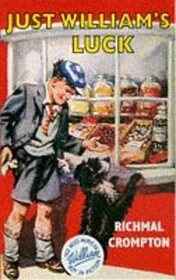
Just William's Luck
by Richmal Crompton
1948
In the only full-length William novel, William and the Outlaws try to get their older brothers married so they can claim the wedding presents. The scheme pulls them into a much bigger adventure.
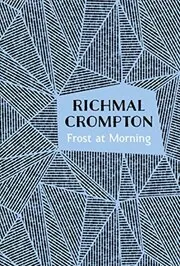
Frost at Morning
by Richmal Crompton
1950
Four neglected children form deep bonds at a vicarage, but adulthood does not erase the wounds they carry from childhood. It is one of Crompton's most poignant family novels.
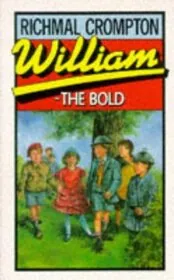
William the Bold
by Richmal Crompton
1950
William's confidence has never been in short supply, and here it drives him into bold new schemes. The Outlaws follow, and common sense is left some way behind.

Four in Exile
by Richmal Crompton
1952
Four people pushed to the edges of their old lives must work out how to belong again. Crompton treats family strain, displacement, and small hopes with a dry, humane touch.
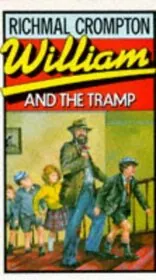
William and the Tramp
by Richmal Crompton
1952
William's sympathy for an outsider leads him into one of his messiest rescue efforts. Helping the tramp seems simple at first, until the adults get involved.
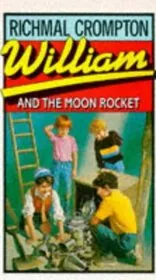
William and the Moon Rocket
by Richmal Crompton
1954
Moon-mad headlines inspire William's next campaign, and he treats space travel like an Outlaws project. His grand plans launch plenty of trouble before anything else lifts off.
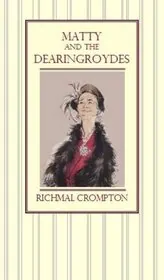
Matty and the Dearingroydes
by Richmal Crompton
1956
Matty, lively even in her sixties, is reclaimed by long-lost respectable relations and proceeds to unsettle every household she enters. Her shameless interference may be exactly what the family needs.
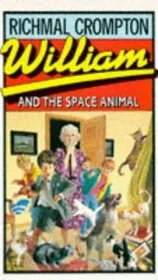
William and the Space Animal
by Richmal Crompton
1956
William seizes on the excitement of the space age and spins it into a new adventure. Science, rumor, and mischief collide as the Outlaws charge in.
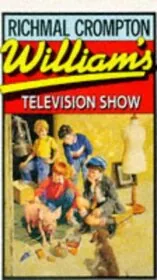
William's Television Show
by Richmal Crompton
1958
Television looks like the perfect stage for William's talents and opinions. His attempts to put on a show bring performance, publicity, and chaos together.
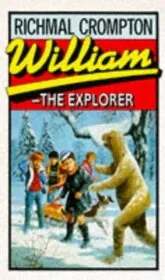
William—the Explorer
by Richmal Crompton
1960
William sets out to discover and master the world around him, treating local ground like unknown territory. His explorations turn simple days into energetic disorder.
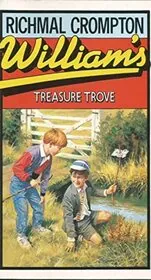
William's Treasure Trove
by Richmal Crompton
1962
A hint of hidden treasure sends William and the Outlaws chasing profit, adventure, and glory. As always, their search causes far more upheaval than anyone expected.
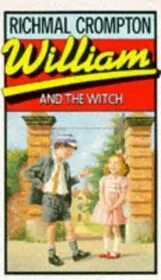
William and the Witch
by Richmal Crompton
1964
Rumors of witchcraft and village superstition are irresistible to William Brown. Once he decides to investigate and help, ordinary gossip turns into full-scale confusion.
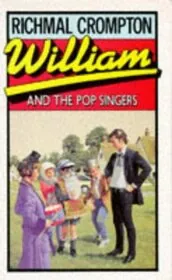
William And The Pop Singers
by Richmal Crompton
1965
Pop music and sudden fame sweep into William's world, giving him fresh opportunities to interfere. His modern enthusiasms create as much trouble as his older-fashioned schemes.
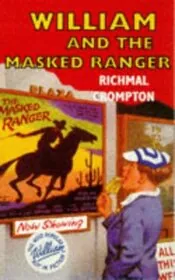
William And The Masked Ranger
by Richmal Crompton
1966
William brings cowboy swagger and secret-hero theatrics into everyday English life. The Outlaws follow his lead, and the usual village routines do not stand a chance.
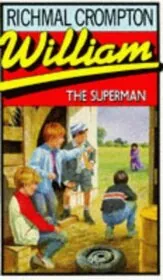
William the Superman
by Richmal Crompton
1968
William decides ordinary standards are too small for him and launches into a new heroic phase. His latest attempts to improve the world leave family, friends, and neighbors reeling.
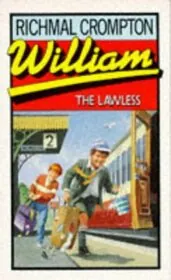
William the Lawless
by Richmal Crompton
1970
The final William collection finds William Brown still meddling, helping, and derailing adult plans with the Outlaws. Even in his last outing, his good intentions lead straight to comic chaos.
What's Wrong with Civilizashun and Other Important Ritings by Just William
by Richmal Crompton
1990
This comic collection gathers William's own writings and opinions, complete with wild spelling and total certainty. It lets readers hear his worldview in his own gloriously skewed voice.
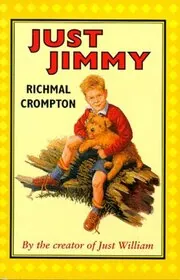
Just Jimmy
by Richmal Crompton
1998
Jimmy is a younger, smaller-scale comic hero whose bright ideas keep turning everyday life upside down. His good intentions and fast imagination make trouble feel almost inevitable.
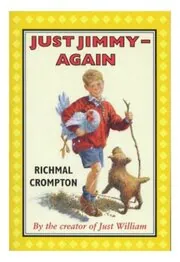
Just Jimmy Again
by Richmal Crompton
2000
Jimmy returns for more family muddles, small triumphs, and inventive blunders. The tone is warm, funny, and slightly gentler than the William books.
Just William at Christmas
by Richmal Crompton
2015
Festive William stories turn presents, visitors, winter plans, and family traditions into prime material for mischief. Christmas only makes his good intentions more dangerous.
William at War
by Richmal Crompton
2016
These wartime stories drop William Brown into blackouts, rationing, and patriotic campaigns. The setting is serious, but William remains gloriously incapable of keeping calm or staying out of trouble.
Where to start with Richmal Crompton
If you want the classic William books: Just William → More William → William Again → William the Fourth
If you want William at his sharpest: Still William → William the Conqueror → William the Outlaw
If you want wartime comedy: William and Air Raid Precautions → William and the Evacuees → William Does His Bit → William Carries On
If you want adult family sagas: Quartet → Portrait of a Family → Family Roundabout
If you want a shorter path for younger readers: Just Jimmy → Just Jimmy Again
Richmal Crompton sub-series and character series
Just William books in order
Explore this series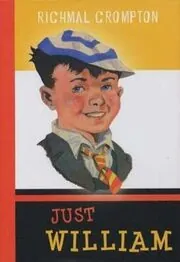


What's Wrong with Civilizashun and Other Important Ritings by Just William
by Richmal Crompton
1990Just William, Book 39

Just William books in chronological order
What's Wrong with Civilizashun and Other Important Ritings by Just William
by Richmal Crompton
1990Just William, Book 39
Richmal Crompton collections, short stories, and related book types
Short Story Collections
Standalone Richmal Crompton books
Author bio
Richmal Crompton was born Richmal Crompton Lamburn in Bury, Lancashire, on 15 November 1890. She grew up in a household shaped by books, schoolrooms, and church life. Her father taught classics, her brother later became a writer too, and that mix of learning and sharp observation stayed with her for the rest of her life.
She was educated at St Elphin's, first in Warrington and later in Derbyshire when the school moved. From there she won a scholarship to Royal Holloway, University of London, where she studied Classics and graduated in 1914. She also took part in the women's suffrage movement, which says something about her energy and independence.
Writing came in through the side door.
After university she taught Classics at St Elphin's and then at Bromley High School in southeast London. She was by all accounts a serious, capable teacher, but she was also writing stories. Her first published work appeared in 1919, and that same year William Brown began showing up in magazine stories.
Then polio changed everything.
Crompton contracted poliomyelitis in 1923 and lost the use of her right leg. She had to leave teaching and start writing full time. That sounds like a clean turning point, but it was also a hard one. She later lived in Bromley Common, where the local streets, gardens, woods, and bits of village life fed the settings and feel of many of her books.
The title most readers know is Just William, published in book form in 1922. From there came decades of stories about William Brown, the stubborn, imaginative eleven-year-old leader of the Outlaws. Books such as More William, William Again, William the Outlaw, and William's Happy Days made her hugely popular. Readers still enjoy the speed of the plots, the way children speak and think like real children, and the cool, funny way Crompton looks at adults who take themselves too seriously.
But William was only one part of her writing life. Crompton believed her adult fiction mattered just as much, and she kept working on it steadily. Novels like Quartet, Portrait of a Family, Family Roundabout, Frost at Morning, and Caroline show how good she was at family tension, village life, strained marriages, and children watching the grown-up world with painful clarity. She also tried other directions, including the younger Jimmy books and the eerie collection MIST and Other Ghost Stories.
She never married and had no children, though she was close to her wider family and liked being an aunt and great-aunt. Once writing gave her financial stability, she had a house built in Bromley Common for herself and her mother. She was best known in public for humor, but the private picture is of a hardworking woman who kept going through illness, success, frustration, and changing fashions in publishing.
The success was real. The William books sold in very large numbers, stayed in print, and were adapted for film, radio, television, and the stage. Thomas Henry's illustrations became part of the books' identity, just as William's scowl and schemes became part of British children's reading.
Crompton died on 11 January 1969, and William the Lawless appeared the next year. She is still linked most closely to William Brown, and fairly so. But the longer you look at her career, the clearer it becomes that she was not just the creator of one mischievous boy. She was a sharp, funny, unsentimental writer of family life in all its noisy, touching, ridiculous forms.



Edited by
Software engineer whose passion for tracking book recommendations from podcasts inspired the creation of MRB.
Lead investor at 3one4 Capital whose startup expertise and love for books helped shape MRB and its growth.
Comments
Did we miss something? Have feedback?
Help us improve this page by sharing your thoughts