
Just William Books in Order
Part ofRichmal Crompton Books in OrderSee all the Just William books in order by Richmal Crompton, with short summaries, series background, and help choosing the best place to start.
Last updated:
As an Amazon Associate, we earn from qualifying purchases (at no extra cost to you).
Just William books in publication order
41 books
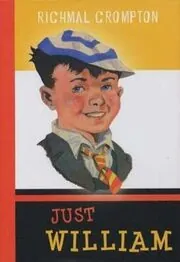
Just William
by Richmal Crompton
1922
The first William book introduces eleven-year-old William Brown at home, at school, and in full revolt against adult order. It is the starting point for one of children's fiction's great troublemakers.
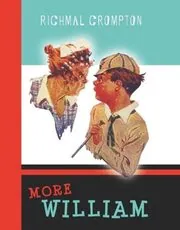
More William
by Richmal Crompton
1922
This early collection sends William through Christmas disasters, household battles, and fresh attempts to do things his own way. The result is funny, brisk, and unmistakably William.
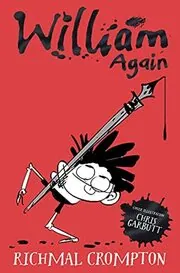
William Again
by Richmal Crompton
1923
William returns with another fast, funny batch of schemes and misunderstandings. When he turns playwright and organizer, the trouble only grows.
William the Fourth
by Richmal Crompton
1924
William's school, family, and village all feel the force of his latest plans. He tackles each new problem with certainty and leaves a trail of confusion behind him.
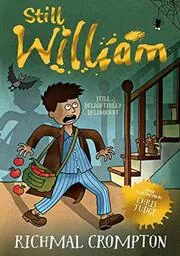
Still William
by Richmal Crompton
1925
William is still up to mischief, and the arrival of Violet Elizabeth Bott only makes life harder. Good intentions, blackmail, and chaos sit side by side here.
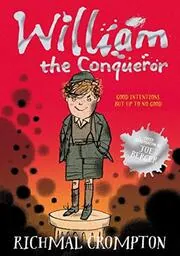
William the Conqueror
by Richmal Crompton
1926
Victory is what William wants, whether the battleground is school, home, or the village green. He leads the Outlaws with complete assurance and mixed results.
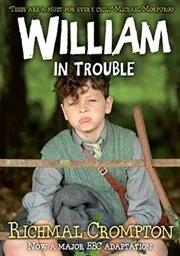
William in Trouble
by Richmal Crompton
1927
William's attempts to help, reform, and prosper place him in exactly the sort of trouble he never expects. The fun lies in how hard he charges ahead anyway.
William the Outlaw
by Richmal Crompton
1927
William sees himself as a fearless right-doer outside ordinary rules. That outlaw spirit makes perfect sense to him and none at all to the adults.
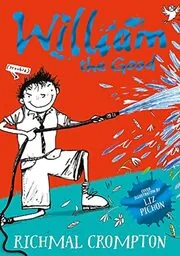
William the Good
by Richmal Crompton
1928
William tries being good, which turns out to be more alarming than his usual bad behavior. His virtuous phase causes comic damage on every side.
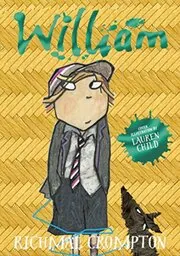
William
by Richmal Crompton
1929
Another strong collection of William Brown stories, this book sends him after fun, justice, and profit in equal measure. Each plan ends in fresh disorder.
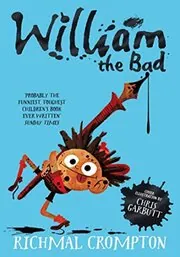
William the Bad
by Richmal Crompton
1930
William's honest wish to improve people and situations goes wrong in all the classic ways. The more certain he is of doing good, the worse things become.
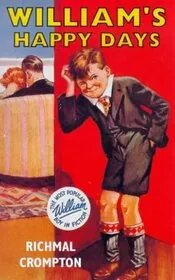
William's Happy Days
by Richmal Crompton
1930
Holidays, hobbies, and family life all become raw material for William's schemes. His idea of a happy day is rarely peaceful for anyone else.
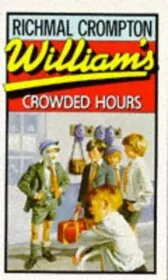
William's Crowded Hours
by Richmal Crompton
1931
William packs his days with clubs, feuds, rescue attempts, and new money-making ideas. It is a busy, funny collection that barely gives the adults time to recover.
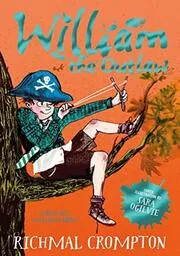
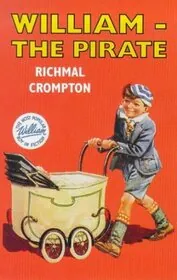
William the Pirate
by Richmal Crompton
1932
William turns pirate in spirit if not in seaworthiness, raiding everyday life for adventure and loot. The result is a lively collection of bold plans and comic wreckage.
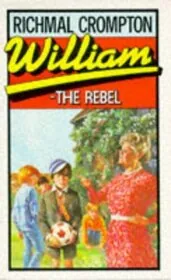
William The Rebel
by Richmal Crompton
1933
Authority has never appealed to William, and here he resists it with special enthusiasm. His rebellion feels righteous to him and exhausting to everyone else.
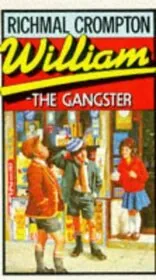
William the Gangster
by Richmal Crompton
1934
William borrows the language and swagger of crime for his latest games and adventures. The Outlaws are delighted, while the grown-ups are anything but.
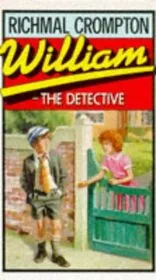
William the Detective
by Richmal Crompton
1935
Mysteries are never safe when William Brown decides to solve them. He suspects plots everywhere and investigates with alarming energy.
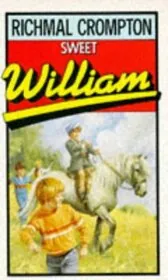
Sweet William
by Richmal Crompton
1936
William tries kindness, reform, and matchmaking, only to prove that sweetness can be dangerous. His helpful impulses create some of the series' funniest tangles.
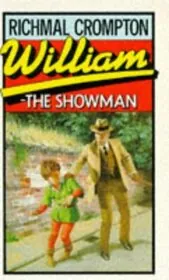
William The Showman
by Richmal Crompton
1937
William heads for the stage and the spotlight with complete assurance in his own talent. Performances, publicity, and self-importance combine beautifully badly.
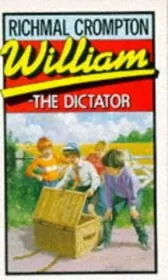
William the Dictator
by Richmal Crompton
1938
William decides that firm leadership is what everyone around him needs. His efforts to organize people his own way lead to rebellion, outrage, and laughter.
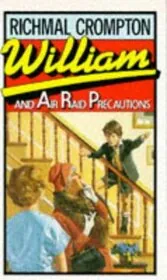
William and Air Raid Precautions
by Richmal Crompton
1939
Blackouts, rules, and wartime duty give William a whole new field for interference. He is eager to help, which is exactly why trouble follows.
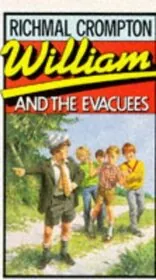
William and the Evacuees
by Richmal Crompton
1940
The arrival of evacuees changes the balance of William's world at once. New rivals, new allies, and wartime confusion give him plenty to work with.
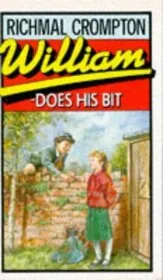
William Does His Bit
by Richmal Crompton
1941
Determined to help the war effort, William throws himself into useful service. His patriotism is genuine, but his methods create problems nobody asked for.
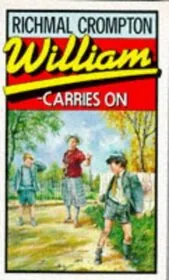
William Carries On
by Richmal Crompton
1942
Wartime does not slow William down. He keeps inventing plans, causing rows, and somehow turning patriotic enthusiasm into comic havoc.
William And The Brains Trust
by Richmal Crompton
1945
William takes on experts, quizzes, and clever people with complete faith in his own ideas. The result is a spirited clash between child confidence and adult certainty.
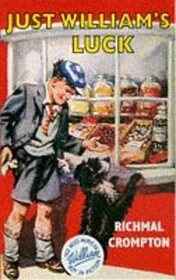
Just William's Luck
by Richmal Crompton
1948
In the only full-length William novel, William and the Outlaws try to get their older brothers married so they can claim the wedding presents. The scheme pulls them into a much bigger adventure.
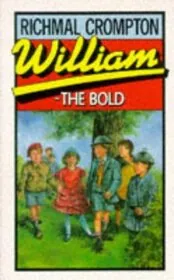
William the Bold
by Richmal Crompton
1950
William's confidence has never been in short supply, and here it drives him into bold new schemes. The Outlaws follow, and common sense is left some way behind.
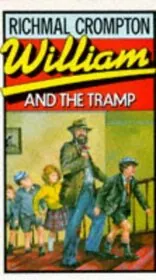
William and the Tramp
by Richmal Crompton
1952
William's sympathy for an outsider leads him into one of his messiest rescue efforts. Helping the tramp seems simple at first, until the adults get involved.
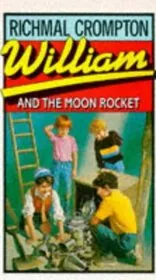
William and the Moon Rocket
by Richmal Crompton
1954
Moon-mad headlines inspire William's next campaign, and he treats space travel like an Outlaws project. His grand plans launch plenty of trouble before anything else lifts off.
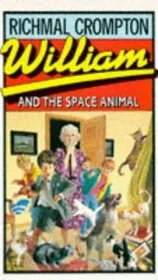
William and the Space Animal
by Richmal Crompton
1956
William seizes on the excitement of the space age and spins it into a new adventure. Science, rumor, and mischief collide as the Outlaws charge in.
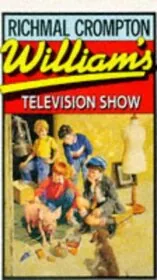
William's Television Show
by Richmal Crompton
1958
Television looks like the perfect stage for William's talents and opinions. His attempts to put on a show bring performance, publicity, and chaos together.
William—the Explorer
by Richmal Crompton
1960
William sets out to discover and master the world around him, treating local ground like unknown territory. His explorations turn simple days into energetic disorder.
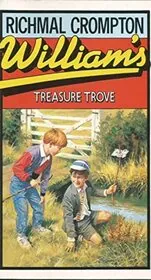
William's Treasure Trove
by Richmal Crompton
1962
A hint of hidden treasure sends William and the Outlaws chasing profit, adventure, and glory. As always, their search causes far more upheaval than anyone expected.
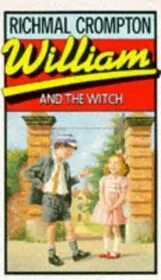
William and the Witch
by Richmal Crompton
1964
Rumors of witchcraft and village superstition are irresistible to William Brown. Once he decides to investigate and help, ordinary gossip turns into full-scale confusion.
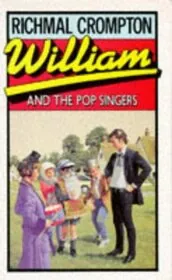
William And The Pop Singers
by Richmal Crompton
1965
Pop music and sudden fame sweep into William's world, giving him fresh opportunities to interfere. His modern enthusiasms create as much trouble as his older-fashioned schemes.
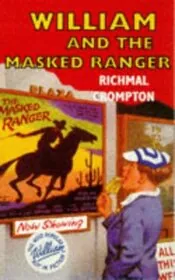
William And The Masked Ranger
by Richmal Crompton
1966
William brings cowboy swagger and secret-hero theatrics into everyday English life. The Outlaws follow his lead, and the usual village routines do not stand a chance.
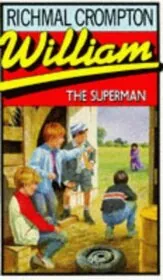
William the Superman
by Richmal Crompton
1968
William decides ordinary standards are too small for him and launches into a new heroic phase. His latest attempts to improve the world leave family, friends, and neighbors reeling.
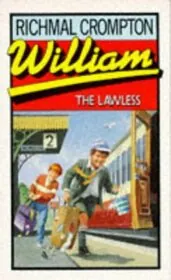
William the Lawless
by Richmal Crompton
1970
The final William collection finds William Brown still meddling, helping, and derailing adult plans with the Outlaws. Even in his last outing, his good intentions lead straight to comic chaos.
What's Wrong with Civilizashun and Other Important Ritings by Just William
by Richmal Crompton
1990
This comic collection gathers William's own writings and opinions, complete with wild spelling and total certainty. It lets readers hear his worldview in his own gloriously skewed voice.
Just William at Christmas
by Richmal Crompton
2015
Festive William stories turn presents, visitors, winter plans, and family traditions into prime material for mischief. Christmas only makes his good intentions more dangerous.
William at War
by Richmal Crompton
2016
These wartime stories drop William Brown into blackouts, rationing, and patriotic campaigns. The setting is serious, but William remains gloriously incapable of keeping calm or staying out of trouble.
Just William books in chronological order



What's Wrong with Civilizashun and Other Important Ritings by Just William
by Richmal Crompton
1990Just William, Book 39

Series background & context
At the center of the Just William books is William Brown, an eleven-year-old boy with endless confidence, strong opinions, and almost no respect for the tidy rules of the adult world. He leads a small band of friends called the Outlaws, usually Ginger, Douglas, and Henry, and with them he turns ordinary afternoons into campaigns, businesses, rescues, feuds, and disasters. William means well far more often than adults give him credit for. That is usually the problem.
The setting is a recognizably English world of houses, gardens, lanes, school routines, tea tables, and village gossip. Crompton uses that small-scale setting brilliantly. Because William is always pushing against manners, money worries, class snobbery, romance, and grown-up respectability, the books are never just children's pranks. They are also comic studies of the strange rules adults live by, seen from a boy's stubborn ground-level view.
That is where the series gets its bite.
Most of the books, beginning with Just William, are collections of short stories, which makes them easy to dip into one at a time. The main exception is Just William's Luck, a full-length novel. Across nearly fifty years of publication, the world around William changes from the 1920s into the postwar decades, but William himself stays gloriously the same age. That means later books can bring in blackouts, evacuees, television, pop singers, and even moon rockets, while keeping the same comic engine: William gets an idea, the Outlaws follow him, and grown-up life takes the hit.
The recurring characters give the stories their special rhythm. William's family expects the worst and is still somehow never prepared. Violet Elizabeth Bott crashes in with noise, demands, and menace whenever the Outlaws least want her. William's dog Jumble adds another layer of disorder. Even when a story starts with something simple, earning a little money, helping a lonely person, staging a performance, solving a mystery, it usually expands into total confusion before the dust settles.
These books are funny, but they are not sugary. Crompton writes children as energetic, selfish, loyal, imaginative, and very alive. She writes adults as loving, pompous, foolish, kind, unfair, and often just as unreasonable. That balance is why the stories still feel fresh. William can be exasperating, but he is rarely dull, and the adult world he unsettles always seems slightly in need of unsettling.
William never really reforms.
That is the secret of the series. Readers do not come here for a long story arc or a final lesson learned. They come for voice, pace, comic timing, and the pleasure of watching one determined boy charge into a civilized world and leave it wobbling. The books have inspired film, radio, television, and stage versions, but the page is where the joke works best: William sees a wrong, or a chance, or a grand idea, and off he goes.


Edited by
Software engineer whose passion for tracking book recommendations from podcasts inspired the creation of MRB.
Lead investor at 3one4 Capital whose startup expertise and love for books helped shape MRB and its growth.
Comments
Did we miss something? Have feedback?
Help us improve this page by sharing your thoughts