
Richard Wright Books in Order
Explore Richard Wright books in order, with quick summaries, where to start advice, and a clear guide to his novels, memoir, essays, and stories.
Last updated:
As an Amazon Associate, we earn from qualifying purchases (at no extra cost to you).
Richard Wright books in publication order
18 books
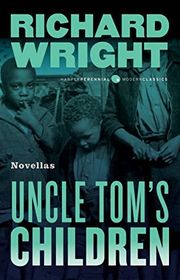
Uncle Tom's Children
by Richard Wright
1938
This early collection brings together stories set in the South, where Black characters face mob violence, exploitation, faith, and hard choices. The book is raw, direct, and already shows many of Wright's central concerns.
Native Son
by Richard Wright
1940
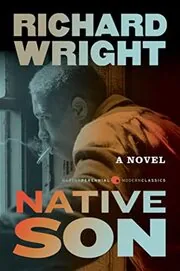
Bigger Thomas, a young Black man in Chicago, takes a job with a wealthy white family and panics when events spin out of control. Wright turns that crisis into a relentless novel about fear, poverty, and racist power.
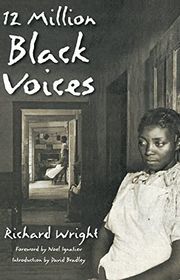
12 Million Black Voices
by Richard Wright
1941
Wright pairs documentary photographs with charged, collective prose to trace Black life from Southern poverty to Northern city streets. The result sits between history, reportage, and art, and still feels urgent.
Black Boy
by Richard Wright
1945
Wright's memoir follows his childhood in the Jim Crow South and his early move north, tracing a fierce hunger for books, independence, and a life of the mind. It is personal, unsparing, and deeply readable.
The Outsider
by Richard Wright
1953
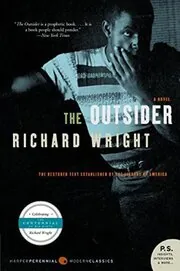
When Cross Damon is mistakenly believed dead after a subway accident, he seizes the chance to invent a new life. His search for freedom and meaning turns darker and more violent with every step.
Savage Holiday
by Richard Wright
1954
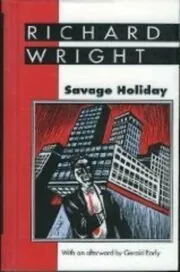
After being pushed into early retirement, insurance executive Erskine Fowler drifts into a bizarre weekend that begins with a child's accidental death. Guilt, loneliness, and buried obsession drive this tense psychological novel.
The Color Curtain
by Richard Wright
1956
Drawing on Wright's trip to Indonesia for the 1955 Bandung Conference, this book blends reporting with reflection. He watches newly independent Asian and African nations step onto the world stage and asks what race, power, and freedom will mean next.
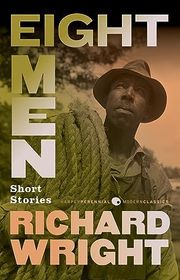
Eight Men
by Richard Wright
1958
This posthumous collection gathers eight stories about Black men under pressure from racism, poverty, prison, war, and exile. The settings change, but the tension stays sharp as each story asks what survival will cost.
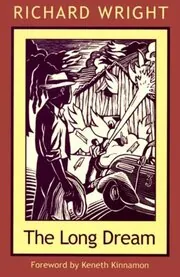
The Long Dream
by Richard Wright
1958
Rex Fishbelly Tucker grows up in Mississippi under the shadow of his father's uneasy power and the violence of Jim Crow. It is a coming-of-age novel about race, fear, and the compromises people make to stay alive.
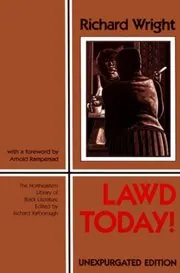
Lawd Today!
by Richard Wright
1963
Over one long day in Depression-era Chicago, postal worker Jake Jackson lurches from job stress to gambling, drinking, and trouble at home. Wright turns the city's noise and pressure into a harsh portrait of anger, humiliation, and survival.
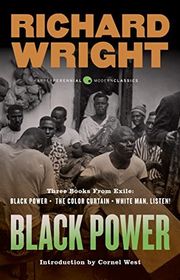
Black Power
by Richard Wright
1974
Based on Wright's 1953 journey to the Gold Coast before Ghanaian independence, this travel narrative mixes observation, politics, and self-questioning. It captures both the excitement of change and Wright's complicated search for connection.
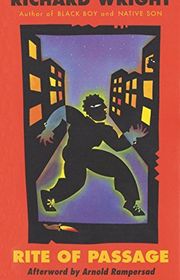
Rite of Passage
by Richard Wright
1993
When fifteen-year-old Johnny Gibbs learns he is living with a foster family, he bolts into the streets of Harlem. His search for belonging pulls him toward a gang world where fear, pride, and violence crowd out childhood.
Haiku
by Richard Wright
1998
In these late poems, Wright turns from public struggle to birds, snow, insects, wind, and light. The haiku are brief and clear, yet they often carry solitude, illness, and wonder just beneath the surface.
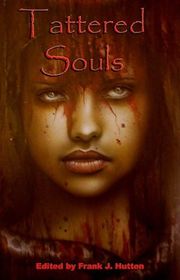
Tattered Souls
by Chris Ryan, Richard Wright, Matt Wallace, Ginger Hamilton, Jeff Crook, Chris Reed, Frank J. Hutton, David A. Magitis & M.E. Palmer
2007
This horror anthology gathers several long stories from Jeff Crook and other writers, leaning into dark moods, strange violence, and unsettling twists. It is a sampler of grim, novella-length horror rather than one continuous novel.
A Father's Law
by Richard Wright
2008
In this unfinished late novel, Chicago police chief Ruddy Turner investigates a string of murders and begins to suspect his own son. The mystery matters, but the real tension comes from distrust, duty, and a father who may not know his child at all.
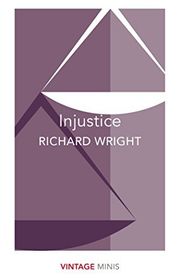
Injustice
by Richard Wright
2018
This short volume draws on Black Boy and Native Son to show how oppression shapes fear, rage, and the idea of justice. It pairs Wright's own memories with Bigger Thomas's story in a tight, unsettling read.
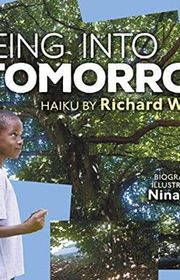
Seeing into Tomorrow
by Richard Wright
2018
This picture book gathers Wright's haiku and pairs them with Nina Crews's photo-collage scenes of Black boys in nature. It is a gentle, inviting way into the quiet, observant side of his late poetry.
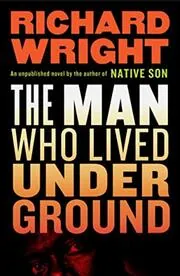
The Man Who Lived Underground
by Richard Wright
2021
Fred Daniels is falsely accused of murder, beaten into a confession, and driven beneath the city into the sewers. What starts as a nightmare of police violence becomes a strange, claustrophobic meditation on guilt, power, and what society refuses to see.
Where to start with Richard Wright
If you want the book most readers start with: Native Son → Black Boy
If you want his Southern fiction first: Uncle Tom's Children → Native Son → The Long Dream
If you prefer memoir and social history: Black Boy → 12 Million Black Voices → Black Power
If you want darker, more philosophical fiction: The Outsider → The Man Who Lived Underground
Richard Wright collections, short stories, and related book types
Short Stories/Novellas
Short Story Collections
Poetry Collections
Non-Fiction
Standalone Richard Wright books

by Chris Ryan, Richard Wright, Matt Wallace, Ginger Hamilton, Jeff Crook, Chris Reed, Frank J. Hutton, David A. Magitis & M.E. Palmer
2007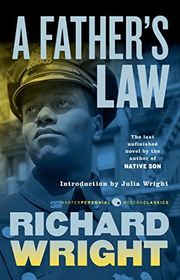
Author bio
Richard Wright was born in 1908 near Natchez, Mississippi, into a family marked by poverty, hard work, and the unfinished legacy of slavery. His father was a sharecropper, his mother had been a schoolteacher, and the family moved often during his childhood. He spent parts of his early life in Natchez, Memphis, and Jackson, and those places stayed with him, later becoming the emotional ground of much of his writing.
His childhood was unstable. After his father left the family, Wright lived at different times with relatives and in an orphanage, and he grew up under strict religious discipline while also dealing with hunger, fear, and the daily humiliations of Jim Crow. That sense of pressure, being watched, judged, and cornered, would become one of the driving forces in his fiction.
Books became his way out.
Reading was not encouraged in his grandparents' home, which only made it feel more necessary. He read secretly, borrowed what he could, and started writing while still young. After leaving school and working a string of jobs, he moved to Chicago in 1927, where city life, political debate, and literary friendships pushed him toward a serious writing life.
In Chicago he worked odd jobs, became involved with the Communist Party, and later joined the Federal Writers' Project. He moved to New York in 1937, and within a few years his name was known across the country. Uncle Tom's Children first brought him wide attention, but Native Son changed everything. Readers still come to that novel for its force, its speed, and the way Bigger Thomas feels trapped long before the law closes in on him.
Wright followed it with Black Boy, the book many readers use to meet him for the first time. It tells the story of a boy fighting for language, dignity, and room to think in the South, then trying to make a life for himself in the North. People return to it for its plainspoken honesty, its sharp scenes of childhood, and its portrait of a young writer discovering that words could be a form of survival.
That hunger runs through almost everything he wrote.
Even when Wright changed form, his concerns stayed close: power, fear, masculinity, religion, exile, freedom, and the damage done by racist systems. The Outsider takes those questions into darker, more philosophical territory through Cross Damon, a man who tries to build a new life after being mistaken for dead. The Long Dream returns to the South and follows a Black boy coming of age inside a world shaped by violence, compromise, and corrupt power. In 12 Million Black Voices, Wright pairs documentary material with urgent prose to trace Black life from the rural South to the urban North.
His later nonfiction widened his field of view. In Black Power, based on his journey to the Gold Coast before it became Ghana, he wrote about anticolonial change, political possibility, and his own uneasy sense of connection and distance. In The Color Curtain, drawn from the Bandung Conference in Indonesia, he looked at a world being remade by Asian and African nations speaking for themselves.
Wright moved permanently to Paris in 1947. From there he kept traveling, writing, and arguing with the politics of his time. Late in life he turned to haiku and wrote thousands of them, finding in brief poems about weather, light, birds, and seasons a different kind of clarity. He died in Paris in 1960, at just fifty-two, but posthumous books such as Lawd Today!, The Man Who Lived Underground, Rite of Passage, and A Father's Law keep showing how much range he still had.





Edited by
Software engineer whose passion for tracking book recommendations from podcasts inspired the creation of MRB.
Lead investor at 3one4 Capital whose startup expertise and love for books helped shape MRB and its growth.
Comments
Did we miss something? Have feedback?
Help us improve this page by sharing your thoughts