
Raymond Carver Books in Order
Explore Raymond Carver books in order, with publication details and book summaries to help you choose where to start and plan your next read.
Last updated: 20 new books added
As an Amazon Associate, we earn from qualifying purchases (at no extra cost to you).
Raymond Carver books in publication order
21 books
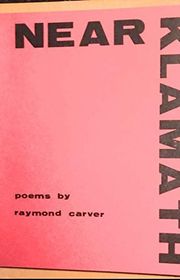
Near Klamath
by Raymond Carver
1968
Carver’s first poetry collection gathers spare, direct, and often personal poems. These early pieces introduce the concise approach to language that would remain a feature of his work in both poetry and short fiction.
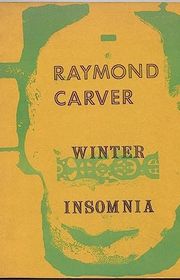
Winter Insomnia
by Raymond Carver
1970
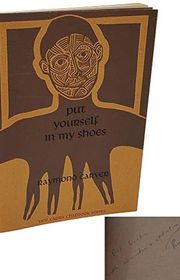
Put Yourself In My Shoes
by Raymond Carver
1974
A writer struggling to work and his wife pay an unexpected holiday visit to a couple whose furnished house they once rented. The awkward encounter and their hosts’ stories turn the visit into a source of discomfort and inspiration.
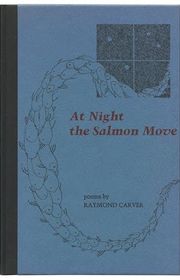
At Night the Salmon Move
by Raymond Carver
1976
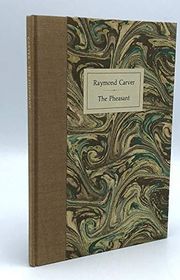
The Pheasant
by Raymond Carver
1982
Struggling actor Gerald takes a drive with Shirley, the older woman whose home has become his refuge between jobs. Tension in their uncertain relationship surfaces during the journey, and an encounter with a pheasant exposes their growing divide.

Cathedral
by Raymond Carver
1983
Twelve stories follow people navigating disrupted routines, fragile relationships, and unexpected encounters. In the title story, a man’s uneasy meeting with his wife’s friend, who is blind, opens a possibility of connection beyond his familiar assumptions.
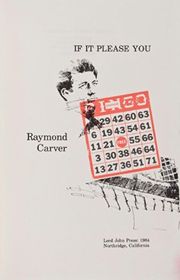
If It Please You
by Raymond Carver
1984
Retired accountant James Packer and his wife, Edith, go to their local community center for bingo. A younger couple’s behavior irritates James, sharpening his resentment of people whose lives seem easier than his own.
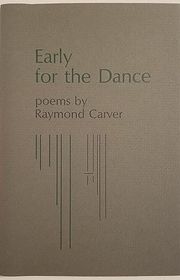
Early for the Dance
by Raymond Carver
1986
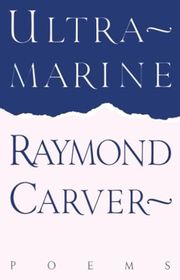
Ultramarine
by Raymond Carver
1986
Carver’s poems move between close attention to the natural world and reflections on family, art, and mortality. Remembered trouble and renewed appreciation coexist in pieces that consider what it means to survive and continue living.
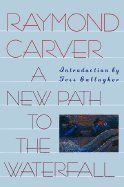
A New Path to the Waterfall
by Raymond Carver
1989
Written near the end of Carver’s life, these poems reflect on love, memory, nature, and mortality. Personal reckonings and brief portraits capture a writer confronting limited time while remaining attentive to the world around him.
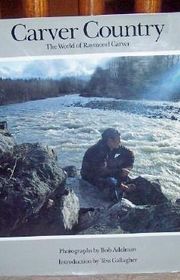
Carver Country
by Raymond Carver
1990
Photographs of the people and places that shaped Carver’s writing accompany selections from his poems, fiction, and letters. The collaboration traces connections between his personal history, familiar landscapes, and the imagined lives of his characters.
Carnations
by Raymond Carver
1992
George Redfeather sits alone on a park bench with a bouquet of carnations until Lucy Lascombe joins him. Their meeting begins an impressionistic one-act play that explores George’s predicament through brief scenes and overt symbolism.
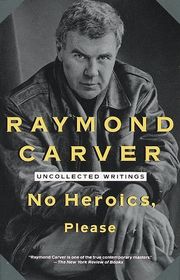
No Heroics, Please
by Raymond Carver
1992
Early fiction, poems, a novel fragment, and previously uncollected nonfiction trace Carver’s development as a writer. Essays about friendship and craft join the creative work, offering a view of his concerns across three decades.
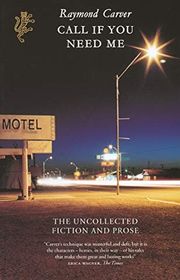
Call If You Need Me
by Raymond Carver
2000
Five stories discovered after Carver’s death join early fiction, a novel fragment, essays, and literary commentary. The volume gathers previously uncollected prose and offers further glimpses of the relationships and everyday tensions central to his writing.
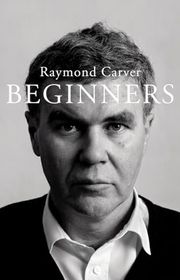
Beginners
by Raymond Carver
2009
The original manuscript of What We Talk About When We Talk About Love presents Carver’s stories before extensive editorial changes. These longer versions explore working-class relationships and allow readers to encounter a different form of familiar fiction.
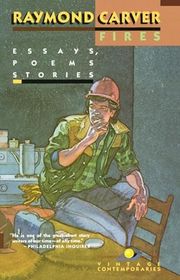
Fires
by Raymond Carver
Stories, poems, and personal essays bring together several sides of Carver’s writing. Reflections on family and craft sit alongside fiction in earlier forms, offering a view of how his voice and working methods developed.
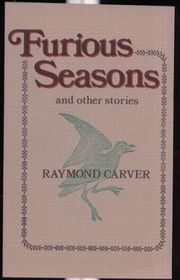
Furious Seasons and Other Stories
by Raymond Carver
This collection gathers eight early stories, including Dummy, Distance, So Much Water So Close to Home, and Mine. Together with the title story, these pieces offer a selection of Carver’s developing work in short fiction.
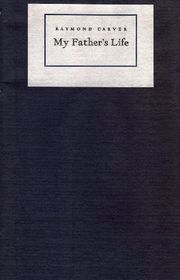
My Father's Life
by Raymond Carver
Raymond Carver looks back on his father’s life in a short memoir first published in a magazine. The essay presents a son’s recollection of his father, bringing their family relationship into his nonfiction.

What We Talk About When We Talk About Love
by Raymond Carver
Raymond Carver's stories examine love, loss, and companionship through strained relationships and ordinary conversations. The title story gathers two couples discussing what love means, while the collection explores how difficult it can be to understand one another.
Recommended by
2 people David Sedaris recommended this book
David Sedaris
"I just remember the excitement that I felt when I got [this book] from the library." - David Sedaris
David Sedaris's recommendation of this book  Jack Edwards recommended this book
Jack Edwards
"The stories are very concise and self-contained, but they get you hooked." - Jack Edwards
Jack Edwards's recommendation of this book
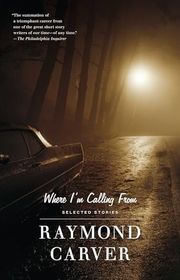
Where I'm Calling From
by Raymond Carver
Carver selects and revises stories from across his career, adding seven previously uncollected works. The collection follows people confronting strained relationships, loss, and ordinary pressures, tracing the development of his approach to short fiction.
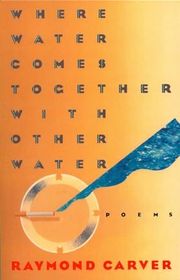
Where Water Comes Together with Other Water
by Raymond Carver
These poems turn ordinary moments into brief narratives of emotional pressure and revelation. Carver’s conversational voice attends to lives close to difficulty, finding significance in small observations and the feelings that gather around them.
Standalone Raymond Carver books









Edited by
Software engineer whose passion for tracking book recommendations from podcasts inspired the creation of MRB.
Lead investor at 3one4 Capital whose startup expertise and love for books helped shape MRB and its growth.
Comments
Spotted a missing book, a wrong order or a mistake? Tell us and we'll fix this page.
We're a reading guide, not the author or publisher, so we can't send books or pass on messages.