
Ray Crawley Books in Order
Part ofPeter Corris Books in OrderSee the Ray Crawley books in order by Peter Corris, with brief summaries, series background, and a clear guide to these Australian spy thrillers.
Last updated:
As an Amazon Associate, we earn from qualifying purchases (at no extra cost to you).
Ray Crawley books in publication order
8 books

Pokerface
by Peter Corris
1985
After being sacked from the Federal Security Agency and with his marriage wobbling, Ray Crawley is manipulated into a dangerous political game. He is down, but not ready to fold.

The Baltic Business
by Peter Corris
1988
A routine assignment draws Ray Crawley into murder and intrigue involving Eastern European refugees. The espionage plot stays tough and grounded rather than glamorous.
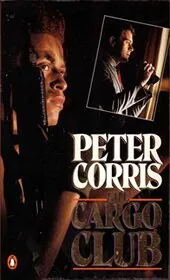
The Cargo Club
by Peter Corris
1990
Ray Crawley heads into a murky mix of politics, trade, and hidden agendas in the South Pacific. The suspense comes from not knowing who is running the operation, or why.

The Kimberly Killing
by Peter Corris
1990
A blood test after a car accident starts Ray Crawley and his offsider Huck on a case that reaches further than it first appears. Soon they are up against very powerful forces.

The Azanian Action
by Peter Corris
1991
Ray Crawley is sent into a politically charged operation full of false fronts, pressure, and betrayal. It is one of the more overtly geopolitical books in the series.
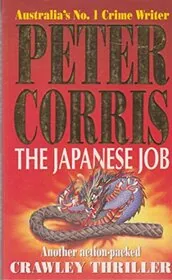
The Japanese Job
by Peter Corris
1992
Ray Crawley thinks he knows the ground, but business interests and foreign connections turn the assignment into something rougher than expected. Brisbane becomes the stage for money, influence, and intrigue.
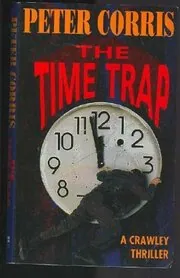
The Time Trap
by Peter Corris
1993
Ray Crawley is caught in a deadline case where every delay helps the enemy. The pressure of time, deception, and official secrets drives this tighter, more anxious thriller.

The Vietnam Volunteer
by Peter Corris
2000
Ray Crawley returns to Hanoi expecting an easy trade-delegation job. Then a murder in the hotel puts him back in the middle of danger and divided loyalties.
Ray Crawley books in chronological order
Series background & context
Ray Crawley is Peter Corris in espionage mode. He is not a tuxedo spy or a gadget collector. He works for the Federal Security Agency, carries too much experience, and tends to meet the world at a slant, tired, suspicious, and ready for trouble. When the series opens with Pokerface, Crawley is already under pressure, professionally and personally, and that off-balance feeling becomes part of the series. He knows how the game works, but he also knows he can be used by the people who claim to be on his side.
These books move beyond the private eye streets of Sydney into intelligence work, political manoeuvring, and international trouble. Some jobs stay close to home, while others pull Crawley into refugee networks, foreign business interests, trade missions, or the long shadows of war. The Baltic Business puts murder and Eastern European refugees into the same knot. The Japanese Job brings money and influence into play. The Vietnam Volunteer sends Crawley back to Hanoi decades after the war, where a supposedly easy operation quickly stops being easy.
The appeal here is that the series feels Australian without trying to imitate British or American spy glamour. Crawley works with agencies, bosses, briefings, and off-the-record instructions, but the mood is still rough-edged and practical. People get hung over. Plans go wrong. Political language is often just a thin cover over fear, vanity, or brute self-interest. Even when the stakes are international, Corris keeps the human scale close.
Nothing is ever as tidy as the file says.
That is why the series works. Crawley is often dealing with bigger systems than Cliff Hardy ever faces, state power, covert agendas, diplomatic convenience, and the quiet bargains that governments make when nobody is watching. But Corris never lets those ideas float away into abstraction. There is always a body, a witness, a compromised source, a frightened civilian, or a colleague who may not be telling the whole truth. The machinery matters because it lands on people.
If you like spy fiction that feels worn-in rather than polished, the Ray Crawley books are a good place to go. They sit somewhere between thriller and political crime novel, with enough action to keep moving and enough cynicism to bite. Read in order and you can watch Corris build a series that keeps widening its field of view while holding onto one damaged, capable operator at the centre. The character also began in material written for the screen, which helps explain the brisk pace and strong sense of scene.











Edited by
Software engineer whose passion for tracking book recommendations from podcasts inspired the creation of MRB.
Lead investor at 3one4 Capital whose startup expertise and love for books helped shape MRB and its growth.
Comments
Did we miss something? Have feedback?
Help us improve this page by sharing your thoughts