
Ray Bradbury Books in Order
Explore Ray Bradbury's books in order, with short summaries of his novels, stories, plays and poetry collections to help you find a place to begin.
Last updated: 1 new book added
As an Amazon Associate, we earn from qualifying purchases (at no extra cost to you).
Ray Bradbury books in publication order
90 books
Skeletons
by Ray Bradbury
1945
This illustrated volume brings together two versions of Bradbury's story Skeleton. Both explore the disturbing idea of a man becoming aware of the bones inside him, with Dave McKean's artwork accompanying the paired tales.
The Homecoming
by Ray Bradbury
1946
A family of vampires, witches and other supernatural beings gathers for a reunion. Timothy, their human child, longs to join their extraordinary world and must confront what it means to belong when he is different.
Dark Carnival
by Ray Bradbury
1947
Bradbury's first story collection gathers tales of horror and fantasy in which familiar places conceal unsettling possibilities. Strange neighbors, death and childhood fears appear in stories including The Homecoming, The Small Assassin and The Next in Line.
The Martian Chronicles
by Ray Bradbury
1950
Linked stories follow humanity's expeditions to Mars and the settlers who try to make it a new home. Encounters with Martians expose human fears and ambitions, while Earth's conflicts threaten the lives being built elsewhere.
Recommended by
1 person Chris Hadfield recommended this book
Chris Hadfield
"Great book to re-read." - Chris Hadfield
Chris Hadfield's recommendation of this book
The Veldt
by Ray Bradbury
1950
George and Lydia Hadley worry about their children's virtual nursery, which repeatedly creates an African landscape populated by lions. Their attempt to regain authority raises disturbing questions about a home that has replaced parental care.
There Will Come Soft Rains
by Ray Bradbury
1950
An automated house continues cooking, cleaning and announcing the time after a nuclear disaster has emptied the surrounding city. Its daily routines unfold without people, exposing the gap between technological convenience and the fragile lives it once served.
A Sound of Thunder
by Ray Bradbury
1951
Wealthy hunter Eckels travels into the distant past to shoot a dinosaur under strict supervision. The guides insist he stay on a designated path, because even a tiny disturbance could change the world he returns to.
The Fog Horn
by Ray Bradbury
1951
Two lighthouse keepers hear their fog horn answered by a creature from the sea. As it approaches, they consider whether the lonely animal has mistaken the mechanical sound for the call of another of its kind.
The Illustrated Man
by Ray Bradbury
1951
A traveler's encounter with a tattooed stranger introduces stories that appear to move across the man's skin. These tales explore space travel, dangerous technology and human longing, linking imagined futures to familiar emotional conflicts.
A Sound of Thunder and Other Stories
by Ray Bradbury
1952
This collection brings together thirty-two stories spanning Bradbury's science fiction and fantasy. Its title tale sends a hunter into the prehistoric past, where strict rules are meant to protect the future from a seemingly minor mistake.
Recommended by
1 person Kara Swisher recommended this book
Kara Swisher
"I love that Ray Bradbury story, the one where he goes back and steps on the butterfly and suddenly we have Nazis kind of thing." - Kara Swisher
Kara Swisher's recommendation of this book
Fahrenheit 451
by Ray Bradbury
1953
Guy Montag burns books for a living in a society that discourages independent thought. Meeting a questioning young neighbor unsettles him, and his growing interest in forbidden reading places his work, marriage and safety in conflict.
Recommended by
2 people Tim Ferriss recommended this book
Tim Ferriss
"If you wonder why some people take censorship so seriously, this book will give you the answer." - Tim Ferriss
Tim Ferriss's recommendation of this book  Ryan Holiday recommended this book
Ryan Holiday
Ryan Holiday mentioned this book on Twitter.
Ryan Holiday's recommendation of this book
The Golden Apples of the Sun
by Ray Bradbury
1953
Stories range from a lonely lighthouse and a prehistoric hunting trip to unsettling encounters in everyday life. Bradbury explores wonder, violence and human desire through tales including The Fog Horn, The Pedestrian and A Sound of Thunder.
The Playground
by Ray Bradbury
1953
A widower fears that playground cruelty will traumatize his young son as it once hurt him. His sister argues the boy must learn to face life, but Charles discovers a disturbing way to spare him the experience.
The October Country
by Ray Bradbury
1955
Nineteen stories bring horror into homes, towns and family relationships. A mother fears her newborn, a sick boy depends on his dog and a farmer inherits troubling responsibilities, turning ordinary hopes into encounters with the unknown.

Dandelion Wine
by Ray Bradbury
1957
Twelve-year-old Douglas Spaulding experiences the summer of 1928 in a small Illinois town. Everyday adventures, family rituals and encounters with loss deepen his awareness of being alive and of the changes that time brings.
A Medicine for Melancholy
by Ray Bradbury
1959
Bradbury's stories combine science fiction, fantasy and everyday human concerns. Their subjects include an artist drawing in beach sand, colonists adapting to Mars and a shared white suit, exploring longing and wonder through unexpected encounters.
The Day It Rained Forever
by Ray Bradbury
1959
Three men await rain at a desert hotel, Martian settlers notice themselves changing and an attic offers a passage into childhood. These stories explore memory, homesickness and the unexpected possibilities hidden in apparently ordinary lives.
R Is for Rocket
by Ray Bradbury
1962
This collection gathers seventeen stories about space travel, strange worlds and the hopes and risks of discovery. Young dreamers, astronauts and time travelers face experiences that connect scientific possibilities with recognizable fears and desires.

Something Wicked This Way Comes
by Ray Bradbury
1962
A mysterious carnival arrives in Green Town, offering residents the fulfillment of their secret wishes. Friends Will Halloway and Jim Nightshade discover its dangerous powers and turn to Will's father as temptation threatens their town.
Recommended by
1 person Patrick Rothfuss recommended this book
Patrick Rothfuss
"SO good. Amazing language. I think it's my #2 favorite book." - Patrick Rothfuss
Patrick Rothfuss's recommendation of this book
The Small Assassin
by Ray Bradbury
1962
Thirteen horror and fantasy stories explore fears concealed within family life and familiar surroundings. The title story follows a mother who suspects her newborn intends to kill her, alongside tales of strange crowds, neighbors and death.
The Anthem Sprinters
by Ray Bradbury
1963
Plays inspired by Bradbury's time in Ireland turn local encounters into comic dramas. Pub conversations, a collision and races to leave the cinema before the anthem offer a theatrical look at everyday rivalries and eccentric behavior.
The Machineries of Joy
by Ray Bradbury
1964
These stories move between everyday life and disturbing fantasy, introducing a monster-maker, dangerous mushrooms and unusual circus performers. Familiar hopes, anxieties and relationships take unexpected forms as Bradbury explores the strange possibilities beneath ordinary appearances.
The Autumn People
by Ray Bradbury
1965
Eight horror and crime stories by Bradbury appear as comic adaptations drawn from EC's publications. Black-and-white artwork gives visual form to unsettling tales including The Small Assassin, The Screaming Woman and There Was an Old Woman.
The Vintage Bradbury
by Ray Bradbury
1965
Bradbury selects stories spanning science fiction, fantasy and ordinary human longing. Children confront dangerous technology, men share a transformative white suit and a man fears his own bones, revealing strange possibilities within familiar desires and anxieties.
S is for Space
by Ray Bradbury
1966
Sixteen stories explore imagined futures and unsettling possibilities, from a scientist's mysterious transformation to children befriending invaders. Journeys through time, life on Mars and encounters with dangerous inventions connect scientific speculation with human fear and hope.
Tomorrow Midnight
by Ray Bradbury
1966
Eight Bradbury science fiction stories are adapted into comics originally published by EC. Their imagined futures include drifting rockets, journeys beyond Earth and an apparently familiar town on Mars, with artwork bringing the strange encounters into view.
Twice 22
by Ray Bradbury
1966
This omnibus combines The Golden Apples of the Sun and A Medicine for Melancholy. Its stories move between speculative adventures and everyday encounters, exploring time travel, memory, space exploration and the unexpected turns of human desire.
Fever Dream And Other Fantasies
by Ray Bradbury
1968
This anthology pairs horror stories by Ray Bradbury and Robert Bloch, compiled by Kurt Singer. Bradbury's contributions include Fever Dream, The Watchers, The Dead Man and The Handler, offering several approaches to fear and the uncanny.
I Sing the Body Electric
by Ray Bradbury
1969
Bradbury's story collection ranges from family life to imagined worlds. A grieving household receives an electrical grandmother, a parrot preserves a writer's voice and other unusual encounters explore love, memory and the desire for human connection.
The Halloween Tree
by Ray Bradbury
1972
Eight boys follow the mysterious Moundshroud through different times and cultures to find their missing friend Pipkin. Their Halloween journey reveals the origins of their costumes and celebrations as they struggle to keep friendship from becoming loss.
The Wonderful Ice Cream Suit
by Ray Bradbury
1972
Three plays adapt Bradbury stories for the stage. Men share a white suit that changes their confidence, a virtual nursery troubles a family and a man in a ruined world preserves memories others would rather forget.
When Elephants Last In The Dooryard Bloomed
by Ray Bradbury
1973
Bradbury's poetry collection reflects on childhood, home and everyday experiences while also looking toward space travel. Its poems bring the interests of his fiction into verse, joining personal memories with imagined journeys and celebrations of life.
Pillar of Fire
by Ray Bradbury
1975
Three plays adapt Bradbury's stories Pillar of Fire, Kaleidoscope and The Fog Horn. A resurrected man, astronauts stranded in space and lighthouse keepers facing a sea creature confront fear, isolation and the need for connection.
Ray Bradbury
by Ray Bradbury
1975
Edited by Anthony Adams, this selection gathers Bradbury stories including The Veldt, The Fog Horn and A Sound of Thunder. Discussion material accompanies tales that explore technology, fear and human choices through fantasy and science fiction.
Long After Midnight
by Ray Bradbury
1976
These stories follow desires that lead people into strange or dangerous situations. Drifters search Mars for a mysterious bottle, a husband orders an android duplicate and an adult revisits an old tormentor, mixing longing with unease.
Where Robot Mice & Robot Men Run Round in Robot Towns
by Ray Bradbury
1977
This poetry collection considers human imagination, technology and the possibilities of machines alongside reflections on culture and life. The title poem weighs the risks and promise of a world where people and robots live together.
The Mummies of Guanajuato
by Ray Bradbury
1978
Archie Lieberman's photographs of Guanajuato's preserved bodies accompany a Bradbury story inspired by the Mexican town's mummies. The combination of fiction and images explores the unsettling presence of death and the feelings it provokes in the living.
Collected Short Stories
by Ray Bradbury
1979
This illustrated selection gathers The Other Foot, The April Witch and The Veldt, with a brief author biography. The three stories offer different encounters with Bradbury's fantasy and science fiction, exploring exclusion, longing and dangerous technology.
One Timeless Spring
by Ray Bradbury
1980
The Last Circus and the Electrocution
by Ray Bradbury
1980
This volume pairs The Last Circus with The Electrocution, bringing together a new story and an earlier tale. William F. Nolan's introduction, Joe Mugnaini's illustrations and Bradbury's essay Under the Mushroom Tent accompany the fiction.
The Stories of Ray Bradbury
by Ray Bradbury
1980
Bradbury selects one hundred stories from the first four decades of his career for this collection. The volume brings together his science fiction, fantasy, and horror, presenting a broad cross-section of the short fiction that preceded his later collections.
The Haunted Computer and the Android Pope
by Ray Bradbury
1981
This poetry collection moves between speculative inventions and everyday pleasures, with subjects including dinosaurs, Ty Cobb, strawberry shortcake, and the Vatican. Bradbury's verse places memories, imagined machines, religious imagery, and ordinary experience within the same varied volume.
The Complete Poems of Ray Bradbury
by Ray Bradbury
1982
This omnibus gathers Bradbury's three earlier poetry collections, including The Haunted Computer and the Android Pope and When Elephants Last in the Dooryard Bloomed. It brings his verse about imagined worlds and personal experience together in one volume.
The Love Affair
by Ray Bradbury
1982
A young Martian becomes fascinated by a woman visiting his planet from Earth and develops feelings for her from a distance. His hopes for contact unfold against the threat of disease and the vulnerability of his dwindling world.
A Memory of Murder
by Ray Bradbury
1984
Fifteen mystery and crime stories bring together Bradbury's investigations of suspicious deaths, threatened victims, and sinister encounters. The collection includes The Small Assassin, The Trunk Lady, and Four-Way Funeral, alongside other tales of murder and concealed danger.
Dinosaur Tales
by Ray Bradbury
1984
Four stories and two poems explore Bradbury's fascination with dinosaurs, accompanied by illustrations and a foreword by Ray Harryhausen. Encounters include a prehistoric hunting expedition, a creature drawn to a lighthouse, and a boy determined to become a dinosaur.

Death is a Lonely Business
by Ray Bradbury
1985
In 1950s Venice, California, a young writer notices disturbing calls, strange deliveries, and deaths among his neighbors. With detective Elmo Crumley and a reclusive actress, he begins investigating whether seemingly unrelated accidents conceal a deliberate pattern of murder.
The Art of Playboy
by Ray Bradbury
1985
This illustrated survey presents works from Playboy's art collection, including commissioned illustrations and other pieces assembled by the magazine. Bradbury contributes commentary on individual works and their relationships, placing varied artists and styles alongside one another throughout the volume.
Death Has Lost Its Charm For Me
by Ray Bradbury
1987
Bradbury's poems appear alongside photographs of cats in this short illustrated collection, introduced by poet Helen Bevington. The volume brings together his writing and feline images in a compact presentation distinct from his larger books of collected verse.
Fever Dream
by Ray Bradbury
1987
Thirteen-year-old Charles becomes convinced that his illness is changing parts of his body into something alien to him. His parents and doctor dismiss the fear as feverish imagination while he struggles to explain the disturbing changes he experiences.
Zen in the Art of Writing
by Ray Bradbury
1987
Eleven essays draw on Bradbury's experiences writing stories, novels, plays, poetry, and scripts. He discusses inspiration, enthusiasm, and the pleasure of creation, describing the habits and discoveries that shaped his working life rather than prescribing a technical writing system.
The Toynbee Convector
by Ray Bradbury
1988
Twenty-three stories range across ghosts, childhood, storytelling, and imagined futures. In the title tale, a man's claim to have visited a better future offers hope to the present, while other pieces explore frightening encounters and the persistence of memory.

A Graveyard for Lunatics
by Ray Bradbury
1990
A young screenwriter working at Maximus Films encounters a terrifying discovery beside the studio's neighboring graveyard on Halloween in 1954. His effort to understand it draws him into Hollywood's hidden history and the secrets surrounding the people making movies.
Classic Stories 2
by Ray Bradbury
1990
This collection combines stories from A Medicine for Melancholy and S Is for Space, excluding material already gathered in Classic Stories 1. Its science fiction and fantasy include The Pedestrian, All Summer in a Day, and The Wonderful Ice Cream Suit.
Folon's Folons
by Ray Bradbury
1990
Jean-Michel Folon's paintings, prints, objects, and transformations of found materials are presented in this exhibition catalog. Bradbury contributes an essay, joined by Sabine Rewald's interview and William Lieberman's commentary, placing Folon's imagery beside discussions of his artistic practice.
Great Baseball Stories
by Phil Hersh, Ray Bradbury & Bill Bryson
1990
This anthology gathers baseball fiction by a broad range of writers, including Ray Bradbury, alongside contributions credited to Phil Hersh and Bill Bryson. Its stories focus on players and the game, offering varied literary takes on America’s pastime.
Yestermorrow
by Ray Bradbury
1991
Bradbury's essays consider how cities, transport, architecture, museums, and cultural spaces might develop. Drawing on his interest in public life and imagination, he explores possible futures for the places people inhabit and the arts they encounter there.
Green Shadows, White Whale
by Ray Bradbury
1992
A young American writer travels to Ireland in 1953 to work with director John Huston on the screenplay for Moby Dick. Their difficult collaboration unfolds alongside encounters with village residents, Irish customs, and the unexpected pleasures of life abroad.
Quicker Than the Eye
by Ray Bradbury
1996
This collection ranges through strange encounters, alternative futures, and unsettling domestic lives, often with dark humor. Its characters include ghosts of Laurel and Hardy, an ancient murderous couple, and a witch doctor whose activities unsettle a family's expectations.
Driving Blind
by Ray Bradbury
1997
Twenty-one stories explore unsettling encounters, memory, and the passage of time through science fiction and fantasy. Pieces including Night Train to Babylon, A House Divided, and Driving Blind bring ordinary lives into contact with unexpected or inexplicable circumstances.
Ahmed and the Oblivion Machines
by Ray Bradbury
1998
Lost in the desert, young Ahmed cries out and awakens the god Gonn-Ben-Allah. Their encounter carries the boy beyond his immediate predicament into a journey through time and space, opening unfamiliar perspectives on life and the world around him.
Rod Steiger
by Ray Bradbury
1998
Tom Hutchinson traces actor Rod Steiger's life from a difficult childhood through naval service and the Actors Studio to major film roles. With a foreword by Bradbury, the biography also examines the depression that affected Steiger's later career.
October Dreams
by Richard Chizmar, Robert Morrish, Dean Koontz, Ray Bradbury & Edward Gorman
2000
Edited by Richard Chizmar and Robert Morrish, this Halloween anthology combines horror fiction with poems, essays, and personal recollections about the holiday. Its broad contributor list includes Dean Koontz, Ray Bradbury, Peter Straub, and many other genre writers.
A Chapbook for Burnt-Out Priests, Rabbis, and Ministers
by Ray Bradbury
2001
Poems, stories and essays explore mortality, religion and the possibility of an afterlife. Bradbury brings his interest in science fiction into questions of faith, connecting imaginative visions of other worlds with reflections on human hope and belief.
From the Dust Returned
by Ray Bradbury
2001
The supernatural Elliott family gathers in its strange Illinois house, where ghosts, vampires, and wandering minds share a history. Their human adopted son Timothy records family memories as Cecy's dreams and Uncle Einar's troubles reveal the inhabitants' unusual lives.
Imagining Space
by Ray Bradbury
2001
Roger D. Launius and Howard E. McCurdy compare earlier visions of space exploration with subsequent achievements, then consider possibilities through 2050. Illustrated with art and photographs and introduced by Bradbury, the book explores tourism, commerce, colonies, and environmental questions.
One More for the Road
by Ray Bradbury
2002
Twenty-five stories, including eighteen new pieces and seven previously uncollected ones, explore time, grief, and uncanny encounters. Their imagined situations include a house without time, a world afflicted by sorrow, and meetings with figures thought lost to the past.
Bradbury Stories
by Ray Bradbury
2003
One hundred stories drawn from six decades of Bradbury's work range across speculative futures, everyday anxieties, and mysterious encounters. The selection includes The Illustrated Man, The Toynbee Convector, and The Pedestrian, alongside many other examples of his short fiction.

Let's All Kill Constance
by Ray Bradbury
2003
Aging actress Constance Rattigan arrives at a writer's Venice home with two ominous books linking names to death, then disappears. The writer and detective Elmo Crumley follow her trail through old Hollywood, investigating the danger apparently gathering around her.
Stories Volume 2
by Ray Bradbury
2003
This volume collects Bradbury's short fiction across science fiction, fantasy, and recollections of ordinary life. Stories including The Rocket, The Flying Machine, and The Drummer Boy of Shiloh place imagined inventions beside historical settings and intimate human experiences.
The Cat's Pajamas
by Ray Bradbury
2004
New stories and previously unpublished work from earlier decades appear together in this collection. Its encounters include racial discrimination among boys, a circus-linked response to violence, and a divided household whose residents retreat into their own heavily guarded spaces.
A Tangled Web
by Christine Lindop, Ray Bradbury, Roald Dahl & Joanna Trollope
2005
An Oxford Bookworms Collection volume containing ten short stories by writers including Ray Bradbury, Roald Dahl, and Joanna Trollope. Compiled by Christine Lindop, it brings together a varied selection of concise fiction for English-language readers.
Bradbury Speaks
by Ray Bradbury
2005
Bradbury reflects on childhood, meetings with famous people, creativity, and the imagined future in this collection of essays and recollections. Personal memories sit beside his opinions about the arts, the cosmos, and the experiences that shaped his writing.

Farewell Summer
by Ray Bradbury
2006
During an unusually warm October in Green Town, thirteen-year-old Douglas Spaulding and his friends confront the town's older residents. Their struggle, especially with Calvin Quartermain, brings fears about aging and the desire to preserve childhood into open conflict.
Match to Flame
by Ray Bradbury
2007
Edited by Donn Albright, this archival collection traces the development of Fahrenheit 451 through earlier stories, drafts, and related material. The Fireman appears among texts revealing how Bradbury gradually developed the ideas and fiction behind the eventual novel.
Now and Forever
by Ray Bradbury
2007
Two novellas pair a journalist's discovery of an Arizona town with ageless residents and no children with a futuristic voyage inspired by Moby Dick. In Leviathan '99, a blind spaceship captain pursues a comet with his crew.
The Dragon Who Ate His Tail
by Ray Bradbury
2007
This chapbook brings together the previously unpublished title story, another short tale, and screenplay material connected to The Fox and the Forest. Reproductions of manuscript pages accompany the texts, offering a glimpse of Bradbury's fiction and work for the screen.

Summer Morning, Summer Night
by Ray Bradbury
2008
Stories return to Green Town's streets, homes, and remembered summers, exploring lives beyond the better-known events of Dandelion Wine. Episodes involve sisters and a love potion, a teacher's unexpected romance, and a young girl's discovery of disturbing evidence.
Marionettes, Inc.
by Ray Bradbury
2009
Five stories and a previously unpublished screen treatment explore robots and their relationships with people. Human replicas and an artificial grandmother appear in tales including Marionettes, Inc., The Changeling, and I Sing the Body Electric, linking technology to domestic life.
We'll Always Have Paris
by Ray Bradbury
2009
Previously unpublished stories combine memories, unusual encounters, and unsettling possibilities in this collection. Pieces including The Visit, Doubles, and Arrival and Departure bring Bradbury's interest in nostalgia and the uncanny to characters facing unexpected changes in familiar circumstances.
A Pleasure to Burn
by Ray Bradbury
2010
Sixteen stories and novellas trace ideas that developed into Fahrenheit 451, including threats to books, imagination, and individual freedom. The collection includes The Pedestrian, Pillar of Fire, Long After Midnight, and The Fireman, presenting earlier forms of related concerns.
Listen to the Echoes
by Ray Bradbury
2010
Sam Weller's interviews with Bradbury, gathered over a decade, explore the writer's memories, creative habits, and ideas about the future. Their conversations connect his personal history and literary career with the mixture of nostalgia and invention that informed his work.
The Collected Stories of Ray Bradbury
by Ray Bradbury
2011
Edited by William F. Touponce and Jonathan R. Eller, this critical edition arranges Bradbury's stories from 1938 through 1943 chronologically. Early versions, thirteen previously uncollected tales, and textual commentaries document changes in the fiction and his development as a writer.
A Carnivàle of Horror
by Ray Bradbury
2012
Edited by Paul Kane and Marie O'Regan, this anthology collects horror set around circuses, carnivals, and fairgrounds. Bradbury's contribution appears alongside work by writers including Joe Hill and John Connolly, bringing unsettling possibilities into places associated with entertainment.
Nemo!
by Ray Bradbury
2012
Bradbury's screenplay follows Nemo through a dream world inspired by Winsor McCay's comic strip. Beginning at the 1904 St. Louis World's Fair, it brings the Princess, Dr. Pill, and Flip into a succession of imagined adventures.
The Collected Stories of Ray Bradbury
by Ray Bradbury
2014
This critical edition presents Bradbury's early stories from 1943 and 1944 in their earliest surviving forms. Historical commentary, textual notes, and restored material reveal how tales changed before appearing in his later collections and story cycles.
The Collected Stories of Ray Bradbury
by Ray Bradbury
2017
The third critical volume collects twenty-two stories written between March 1944 and March 1945. Restored typescripts and magazine texts, accompanied by scholarly commentary, document Bradbury's developing style and the pressures of publishing in pulp markets.
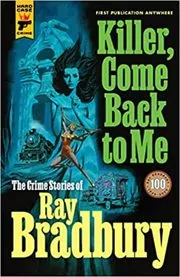
Killer, Come Back To Me
by Ray Bradbury
2020
Twenty crime stories explore murder and detection through Bradbury's speculative imagination. Robots, a ventriloquist's dummy, time travel, and surviving conjoined twins complicate familiar questions about culpability, testimony, revenge, and the pursuit of a killer.
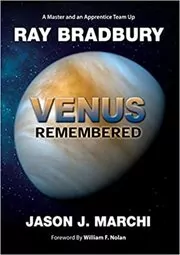
Venus Remembered
by Ray Bradbury
2020
Bradbury's All Summer in a Day is paired with Jason Marchi's sequel, When the Rain Stops. The volume revisits Margot's experience on rain-soaked Venus, where children await a rare glimpse of sunlight through persistent clouds.
Defense Mech
by Ray Bradbury
2021
Rocket passenger Halloway is terrified by the journey to Mars and the distance from Earth. The ship's psychiatrist constructs a comforting illusion of home, leaving Halloway to interpret unfamiliar encounters through a deliberately altered sense of reality.
Ray Bradbury sub-series and character series
Crumley Mysteries books in order
Explore this seriesGreen Town books in order
Explore this seriesStandalone Ray Bradbury books


by Ray Bradbury
1965The Greatest Stories by America's Most Distinguished Practioner of Speculative Fiction


When Elephants Last In The Dooryard Bloomed
by Ray Bradbury
1973Celebrations for Almost Any Day in the Year











Edited by
Software engineer whose passion for tracking book recommendations from podcasts inspired the creation of MRB.
Lead investor at 3one4 Capital whose startup expertise and love for books helped shape MRB and its growth.
Comments
Did we miss something? Have feedback?
Help us improve this page by sharing your thoughts