
Quilt Trilogy Books in Order
Part ofAnn Rinaldi Books in OrderFollow Ann Rinaldi's Quilt Trilogy in order, with book summaries, family background, and guidance on how the three linked novels connect.
Last updated:
As an Amazon Associate, we earn from qualifying purchases (at no extra cost to you).
Quilt Trilogy books in publication order
3 books
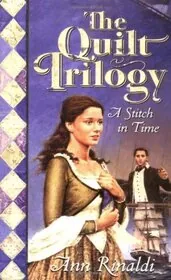
A Stitch in Time
by Ann Rinaldi
1994
The Quilt Trilogy begins with a young girl facing family secrets stitched into the past. As she studies the stories around her, a quilt becomes a map of memory, loss, and belonging.
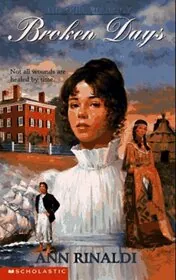
Broken Days
by Ann Rinaldi
1995
In the second Quilt Trilogy novel, family history continues through grief, silence, and the scraps people save. The story follows another young heroine learning what the past can damage and heal.
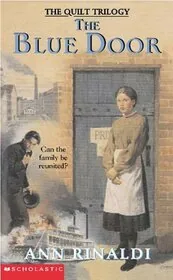
The Blue Door
by Ann Rinaldi
1996
The final Quilt Trilogy book turns again to family memory, secrets, and the clues left in handmade things. A young woman must decide how much of the past she is ready to open.
Quilt Trilogy books in chronological order
Series background & context
Ann Rinaldi’s Quilt Trilogy is a small, linked set built around memory, family, and the way handmade objects can carry stories forward. The three books are A Stitch in Time, Broken Days, and The Blue Door. They are best read in order, since the emotional thread matters as much as the plot.
At the center is a quilt.
Rinaldi uses quilting as more than a hobby or period detail. A quilt is private history you can touch. It holds pieces of old clothes, family colors, careful work, and sometimes pain that nobody has said out loud. That makes it a natural fit for Rinaldi, who often writes about young people trying to understand what adults have hidden from them.
The trilogy is quieter than some of her better-known war novels. There are still conflicts, secrets, and hard choices, but the focus is domestic and personal. The books look at how girls and young women inherit family stories, how they question those stories, and how they decide what to keep. The tension comes from the gap between the official family version and the messier truth underneath.
Readers who come to Rinaldi for battlefield drama may find this series more intimate. The stakes are not always armies and governments. They are trust, belonging, identity, and the cost of silence. That does not make the books small. In Rinaldi’s fiction, a household can be as charged as a public square, especially when a young narrator is the one paying attention.
Because the trilogy is connected through family history and objects, starting at the beginning helps. A Stitch in Time introduces the central pattern of the series: a young person looking at the past and realizing that the adults around her have not told the whole story. Broken Days deepens that sense of inheritance and fracture. The Blue Door brings the sequence to its final turn, with another young character facing what the past has left behind.
The result is a good fit for readers who like historical fiction with heirlooms, secrets, and family roots. It is also a useful entry point for anyone who wants Ann Rinaldi’s interest in girls’ lives and moral choices, but in a gentler, more home-centered frame than her Salem, Revolution, or Civil War books.



Edited by
Software engineer whose passion for tracking book recommendations from podcasts inspired the creation of MRB.
Lead investor at 3one4 Capital whose startup expertise and love for books helped shape MRB and its growth.
Comments
Did we miss something? Have feedback?
Help us improve this page by sharing your thoughts