
Great Episodes Books in Order
Part ofAnn Rinaldi Books in OrderSee the Great Episodes series by Ann Rinaldi in order, with book summaries, historical background, and a simple guide to where to begin.
Last updated:
As an Amazon Associate, we earn from qualifying purchases (at no extra cost to you).
Great Episodes books in publication order
18 books
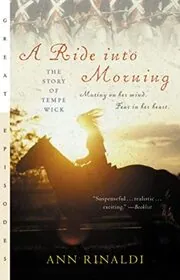
A Ride into Morning
by Ann Rinaldi
1991
Tempe Wick lives in Revolutionary New Jersey, where soldiers, shortages, and mutiny threaten her family. Her prized horse becomes central to a story of nerve, loyalty, and quick thinking.

A Break with Charity
by Ann Rinaldi
1992
Susanna English stands near the accusing girls of Salem and knows more than is safe to say. As hysteria grows, silence becomes its own kind of danger.
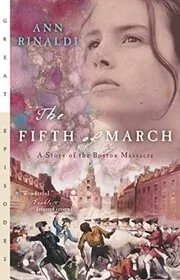
The Fifth of March
by Ann Rinaldi
1993
Rachel Marsh, an indentured servant in John Adams’s household, is caught between Boston patriots and British soldiers. Her friendship with a redcoat brings the Boston Massacre painfully close.
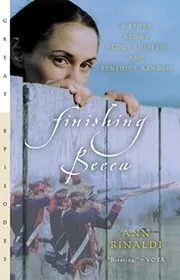
Finishing Becca
by Ann Rinaldi
1994
Becca becomes a servant in Peggy Shippen’s household and is drawn close to Benedict Arnold’s world. What looks like elegance soon turns into danger, deception, and treason.
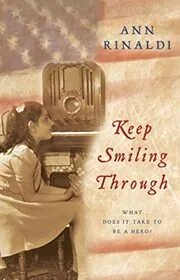
Keep Smiling Through
by Ann Rinaldi
1994
On the World War II home front, a young girl tries to keep her family steady as fear, rationing, and wartime change press in. Growing up means learning what cheerfulness can and cannot hide.
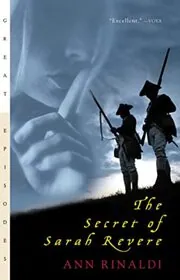
The Secret of Sarah Revere
by Ann Rinaldi
1995
Sarah Revere knows her father, Paul Revere, is carrying dangerous secrets through Boston. As revolution nears, she watches, questions, and discovers that patriot work can put a whole family at risk.
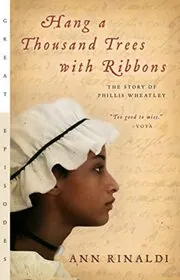
Hang a Thousand Trees with Ribbons
by Ann Rinaldi
1996
Phillis Wheatley is taken from Africa, enslaved in Boston, and taught to read and write. Her gift for poetry opens doors, but freedom and recognition remain painfully complicated.
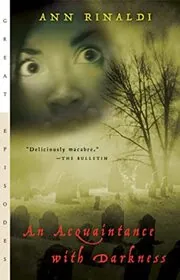
An Acquaintance with Darkness
by Ann Rinaldi
1997
After Lincoln’s assassination, Emily Pigbush is pulled between grief, the Surratt family scandal, and her doctor uncle’s secret work with stolen bodies. Washington’s darkness becomes impossible to ignore.
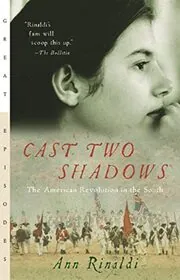
Cast Two Shadows
by Ann Rinaldi
1998
In Revolutionary South Carolina, Caroline Whitaker’s plantation home is occupied by British soldiers. Her mixed-race heritage, her father’s imprisonment, and her brother’s shifting loyalties force her into dangerous truths.
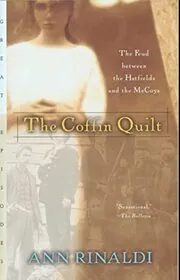
The Coffin Quilt
by Ann Rinaldi
1999
Fanny McCoy watches the Hatfield-McCoy feud turn family pride into bloodshed. Her sister Roseanna’s love for a Hatfield deepens the danger, while a coffin quilt records the mounting losses.
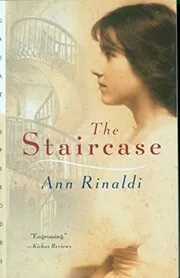
The Staircase
by Ann Rinaldi
2000
Lizzy Enders is left at a Santa Fe convent after her mother dies on the trail. The mystery of the Loretto Chapel staircase frames her struggle with faith, grief, and belonging.

The Riddle of Penncroft Farm
by Ann Rinaldi
2001
At Penncroft Farm, a boy named Lars uncovers Revolutionary War secrets with help from a ghostly friend. The mystery links his new home to old loyalties, hidden clues, and unfinished history.
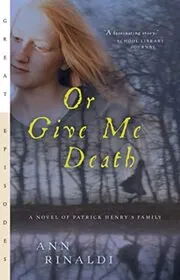
Or Give Me Death
by Ann Rinaldi
2003
Patrick Henry’s daughters Patsy and Anne carry the burden of their mother’s hidden mental illness while their father campaigns for liberty. Family secrets make public ideals feel painfully complicated.
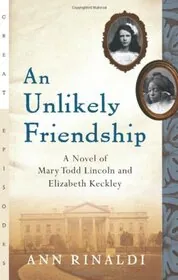
An Unlikely Friendship
by Ann Rinaldi
2007
This parallel novel follows Mary Todd Lincoln and Elizabeth Keckley from very different childhoods toward their later bond in the White House. Rinaldi explores slavery, privilege, grief, and trust.
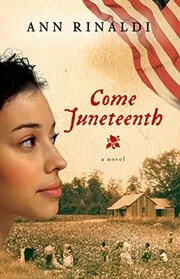
Come Juneteenth
by Ann Rinaldi
2007
On a Texas plantation, Luli Holcomb’s family hides the truth of emancipation from Sis Goose, an enslaved girl raised as kin. When Union soldiers arrive, love and betrayal collide.
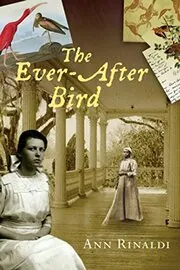
The Ever-After Bird
by Ann Rinaldi
2007
CeCe McGill travels south with her abolitionist uncle, who studies birds while secretly aiding the Underground Railroad. What she witnesses on plantations changes her understanding of slavery, courage, and freedom.
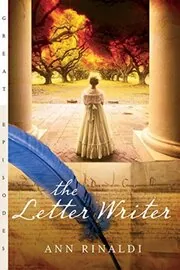
The Letter Writer
by Ann Rinaldi
2008
Harriet Whitehead becomes a letter writer on a Virginia plantation and is drawn into the world around Nat Turner. Her sympathy, innocence, and one dangerous choice lead to consequences she cannot undo.
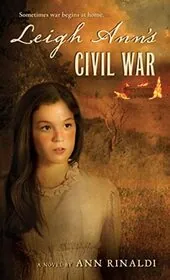
Leigh Ann's Civil War
by Ann Rinaldi
2011
Eleven-year-old Leigh Ann Conners watches the Civil War reach her Georgia home, her brothers, and her family’s mill. One risky act meant to save the mill sends her into danger and forces her to grow up fast.
Great Episodes books in chronological order
Series background & context
The Great Episodes books are Ann Rinaldi doing what she did most often: taking a well-known historical moment and asking what it might have felt like to a young person standing nearby. The books are not one continuous saga with the same hero returning each time. They are linked by approach, tone, and purpose.
Each novel stands on its own.
Rinaldi often mixes fictional narrators with real people, real places, and real conflicts. That means a reader might move from Salem in A Break with Charity, to Revolutionary-era Boston in The Fifth of March, to Washington after Lincoln’s assassination in An Acquaintance with Darkness. The pattern is familiar, but the situation changes with every book: a young person is close enough to history to be changed by it, but not powerful enough to control it.
The series works especially well for readers who like history with a personal doorway. Instead of starting with battles, laws, or famous speeches, Rinaldi usually starts with a household. A girl overhears something she shouldn’t. A family chooses a side. A public crisis becomes a private burden. That is where the tension comes from.
The settings matter because they are not just scenery. In Cast Two Shadows, South Carolina during the Revolution creates questions about race, loyalty, and family identity. In The Coffin Quilt, the Hatfield-McCoy feud turns local honor into a cycle of grief. In Come Juneteenth, the delay in telling enslaved people in Texas about emancipation becomes a story about betrayal, freedom, and the lies families tell to preserve comfort.
These books can be read in almost any order, so the best starting place is the historical period that already interests you. If you like colonial New England, begin with A Break with Charity or The Fifth of March. If you prefer Civil War and Reconstruction-era stories, try An Acquaintance with Darkness, Numbering All the Bones, or Leigh Ann’s Civil War. For readers drawn to famous women and hidden lives, Hang a Thousand Trees with Ribbons is a strong choice.
The promise of the Great Episodes line is simple: history is not far away. It is in kitchens, bedrooms, courtrooms, barns, and front parlors, where young people are often told to be quiet just when they most need to speak.




Edited by
Software engineer whose passion for tracking book recommendations from podcasts inspired the creation of MRB.
Lead investor at 3one4 Capital whose startup expertise and love for books helped shape MRB and its growth.
Comments
Did we miss something? Have feedback?
Help us improve this page by sharing your thoughts