
Pearl Harbor/Pacific War Books in Order
Part ofNewt Gingrich Books in OrderSee the Pearl Harbor and Pacific War books by Newt Gingrich in order, with quick summaries, series background, and tips on where to start.
Last updated:
As an Amazon Associate, we earn from qualifying purchases (at no extra cost to you).
Pearl Harbor/Pacific War books in publication order
2 books
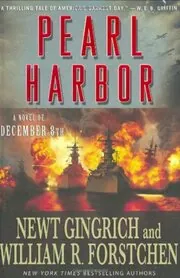
Pearl Harbor
by Newt Gingrich
2007
This alternate history imagines a far more successful Japanese attack, leaving the United States in a deeper crisis from the first hours of war. Admirals, pilots, and political leaders race to understand the scale of the disaster.
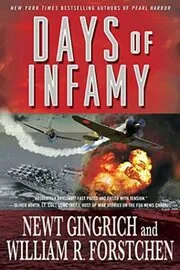
Days of Infamy
by Newt Gingrich
2008
After a more devastating Pearl Harbor, the Pacific war opens under even darker odds for the United States. Admirals, pilots, and political leaders scramble to respond as Japan presses its advantage.
Pearl Harbor/Pacific War books in chronological order
Series background & context
Newt Gingrich's Pacific War novels take one of the most studied moments in American history and push it in a harsher direction. The basic idea is simple and unnerving: what if the attack on Pearl Harbor went even better for Japan, and the United States started the war in a much deeper hole than it did in real life? That question drives Pearl Harbor and then keeps widening in Days of Infamy.
These books are built around command decisions, timing, and the enormous scale of the Pacific. Admirals, pilots, political leaders, and ordinary servicemen all matter, because one bad morning at sea can ripple outward for months. Instead of following a single hero from page one to the end, the series moves across viewpoints and lets readers see how confusion at the top connects to danger on the ground and in the air.
The setting matters a lot. Hawaii is not just a backdrop here, and the Pacific is not treated as empty blue space between battles. Distance, fuel, aircraft, ships, and communication delays shape every choice. That gives the series a practical, almost mechanical tension. Readers are always aware that plans fail not only because people panic, but because carriers are late, air cover is thin, and the next island is very far away.
Pearl Harbor handles the shock of the opening blow. Days of Infamy shows what it means to live with the consequences when the early balance of power has shifted even further. The books stay interested in famous names, but they also remember that huge wars are carried by crews, pilots, and officers who are forced to improvise before anyone has a clean picture of what is happening.
These are war novels that care about logistics.
The tone is serious, brisk, and strongly military. Gingrich and his co-authors like maps, strategy, and decision-making under pressure, but they do not lose sight of fear, exhaustion, or the cost of bad judgment. If you enjoy alternate history that feels grounded in real chains of command and real operational problems, this is one of the clearer entry points in Gingrich's fiction. It is less about fancy twists than about watching a recognizable world slide into a more dangerous version of itself.










Edited by
Software engineer whose passion for tracking book recommendations from podcasts inspired the creation of MRB.
Lead investor at 3one4 Capital whose startup expertise and love for books helped shape MRB and its growth.
Comments
Did we miss something? Have feedback?
Help us improve this page by sharing your thoughts