
Newt Gingrich Books in Order
Browse all Newt Gingrich books in order, with quick summaries, series guides, and simple advice on where to start with his fiction and nonfiction.
Last updated:
As an Amazon Associate, we earn from qualifying purchases (at no extra cost to you).
Newt Gingrich books in publication order
52 books
Window of Opportunity
by Newt Gingrich
1987
Gingrich's early manifesto argues that technology, space, and entrepreneurial thinking could remake American government and society. It is a snapshot of his future-focused politics before he became Speaker.
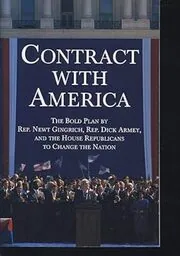
Contract With America
by Newt Gingrich
1994
Newt Gingrich, Dick Armey, and House Republicans explain the ten-point agenda behind their 1994 election campaign. The book details proposals addressing the budget, crime, welfare, taxes, defense, regulation, legal reform, and congressional term limits.
1945
by Newt Gingrich
1995
In this alternate history, the United States defeats Japan while Nazi Germany survives in Europe, setting up a far more dangerous postwar world. The result is a Cold War that threatens to turn hot almost immediately.
Quotations from Speaker Newt
by Newt Gingrich
1995
A compact collection of Gingrich quotes, speeches, and sound bites from the early Republican Revolution years. It works as a quick primer on his rhetoric, themes, and political style.
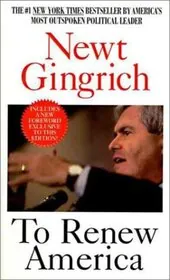
To Renew America
by Newt Gingrich
1995
Written just after the Republican takeover of the House, this book lays out Gingrich's governing agenda and reflects on his first months as Speaker. He tackles welfare, budgets, immigration, and the Information Age.
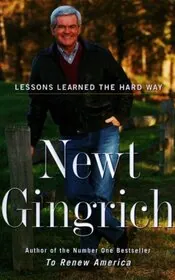
Lessons Learned the Hard Way
by Newt Gingrich
1998
Part memoir and part political reckoning, this book looks back on Gingrich's speakership, public battles, and mistakes. He writes candidly about conflict, media scrutiny, and what he thinks he learned from both.
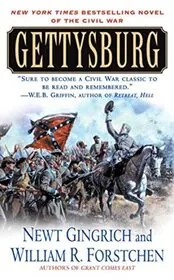
Gettysburg
by Newt Gingrich
2003
This alternate history reimagines the Civil War's turning point by asking what would happen if Lee won at Gettysburg. The book blends battlefield detail with big consequences for Lincoln, the Union, and the South.
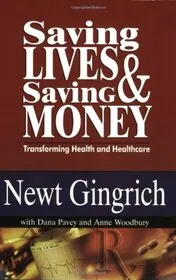
Saving Lives & Saving Money
by Newt Gingrich
2003
Gingrich argues that better use of technology, incentives, and preventive care could improve outcomes while lowering costs. The book is a broad case for restructuring the American health system.
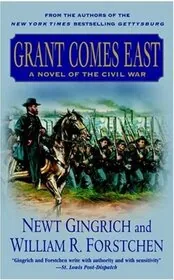
Grant Comes East
by Newt Gingrich
2004
With the Union reeling after Confederate success at Gettysburg, Abraham Lincoln brings Ulysses S. Grant east to face Robert E. Lee. The novel mixes campaign planning, political strain, and large-scale battle scenes.
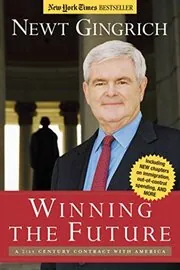
Winning the Future
by Newt Gingrich
2004
This book presents Gingrich's view of the major threats facing the United States, from terrorism to weak science education and entitlement pressure. He pairs the warning with a conservative reform agenda.
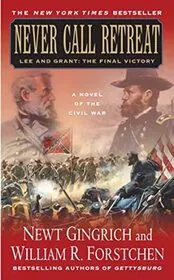
Never Call Retreat
by Newt Gingrich
2005
In this alternate Civil War sequel, Lee presses his advantage after Gettysburg while the Union turns to Grant as its best hope. Strategy, exhaustion, and massive casualties drive the story toward another decisive clash.
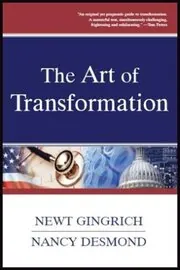
The Art of Transformation
by Newt Gingrich
2006
Gingrich and Nancy Desmond write about how large institutions can change by rethinking systems, incentives, and leadership. The book speaks to reform-minded readers in business, government, and health policy.
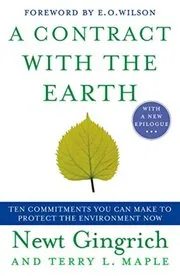
A Contract with the Earth
by Newt Gingrich
2007
Co-written with Terry L. Maple, this book argues for a conservative-friendly environmentalism built around stewardship, innovation, and incentives. It is one of Gingrich's least expected books, and one of his most bipartisan in tone.
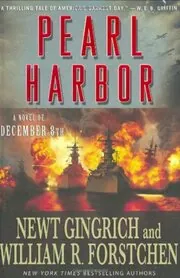
Pearl Harbor
by Newt Gingrich
2007
This alternate history imagines a far more successful Japanese attack, leaving the United States in a deeper crisis from the first hours of war. Admirals, pilots, and political leaders race to understand the scale of the disaster.
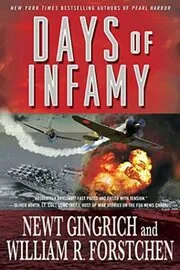
Days of Infamy
by Newt Gingrich
2008
After a more devastating Pearl Harbor, the Pacific war opens under even darker odds for the United States. Admirals, pilots, and political leaders scramble to respond as Japan presses its advantage.
Drill Here, Drill Now, Pay Less
by Newt Gingrich
2008
A short, direct argument for expanding domestic energy production to cut gas prices and reduce reliance on foreign oil. Gingrich also pitches a wider mix of resources, including nuclear, wind, and solar.
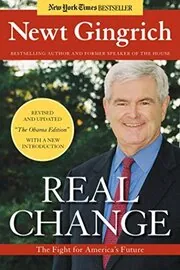
Real Change
by Newt Gingrich
2008
Gingrich argues that both parties have failed to solve obvious problems and that practical reform should come from innovation, not stale ideology. The book is part diagnosis, part campaign-style agenda.
5 Principles for a Successful Life
by Newt Gingrich
2009
Written with his daughter Jackie Gingrich Cushman, this book offers family-tested advice on work, learning, faith, and character. It is more personal and practical than most of his political writing.
In God We Trust
by Newt Gingrich
2009
Gingrich reflects on faith, public life, and the religious ideas he sees woven through American history. It is a short, values-centered argument about belief and national identity.
Rediscovering God in America
by Newt Gingrich
2009
Part history and part tour of Washington, this book traces religious language, symbols, and ideas through American public life. Gingrich uses monuments, documents, and stories to argue that faith shaped the nation's founding.
To Try Men's Souls
by Newt Gingrich
2009
This Revolutionary War novel follows George Washington in the bleak months when the American cause seems close to collapse. It centers on leadership, endurance, and the fight to keep the army together.
Who We Are
by Newt Gingrich
2009
This book asks what kind of nation the United States is and what shared principles still define it. Gingrich treats American identity as a historical and political question, not just a slogan.
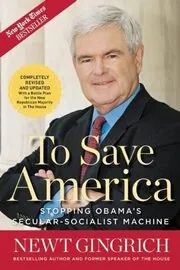
To Save America
by Newt Gingrich
2010
Gingrich delivers a sweeping critique of the Obama years and argues that conservatives must confront what he calls a secular-socialist political machine. The tone is urgent and openly ideological.
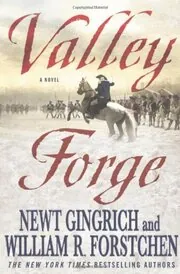
Valley Forge
by Newt Gingrich
2010
Washington and his battered army face cold, hunger, weak supplies, and political doubt in this second Revolutionary War novel. The drama comes as much from discipline and survival as from open battle.
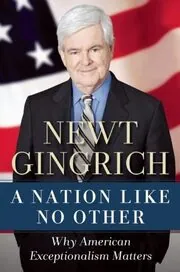
A Nation Like No Other
by Newt Gingrich
2011
Gingrich makes the case that America's founding ideals, not just its power, make it exceptional. He ties that argument to debates about limited government, liberty, and national identity.
Ronald Reagan
by Newt Gingrich
2011
Gingrich offers a short portrait of Ronald Reagan's life, presidency, and political legacy. The focus is less on exhaustive biography and more on why Reagan mattered to modern conservatism.
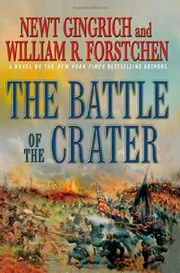
The Battle of the Crater / To Make Men Free
by Newt Gingrich
2011
Set around one of the Civil War's most disastrous assaults, this story follows soldiers and leaders facing the chaos of Petersburg. It gives special weight to Black troops determined to prove themselves in battle.
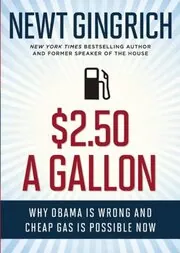
$2.50 a Gallon
by Newt Gingrich
2012
Gingrich argues that federal policy has artificially driven up energy prices and blocked abundant domestic supply. The book is a direct, campaign-era case for cheaper gasoline through aggressive energy development.
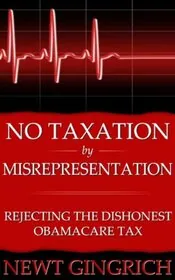
No Taxation by Misrepresentation
by Newt Gingrich
2012
In this short essay, Gingrich attacks the tax logic behind the Affordable Care Act and argues that the public was misled about its costs. It is brief, pointed, and built for the policy fight of the moment.
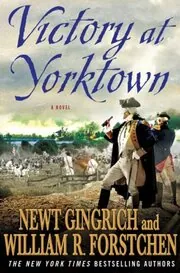
Victory at Yorktown
by Newt Gingrich
2012
The final Revolutionary War novel follows Washington toward the campaign that could finally break British control. It brings together strategy, alliance politics, and the long effort to turn survival into victory.
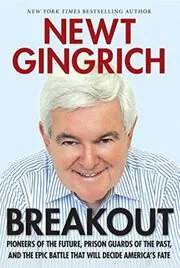
Breakout
by Newt Gingrich
2013
Gingrich argues that innovators in medicine, energy, education, and technology are being held back by old institutions and heavy regulation. The book is a plea to side with the future instead of the status quo.
Should We Tax the Rich More?
by Newt Gingrich
2013
This Munk Debate book collects arguments over inequality, growth, and whether higher taxes on the wealthy help or hurt society. Gingrich takes the anti-tax side in a sharp, accessible exchange.
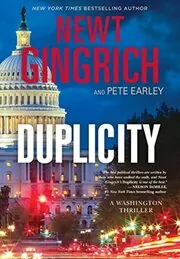
Duplicity
by Newt Gingrich
2015
When terrorists attack the American embassy in Mogadishu, Marine captain Brooke Grant and station chief Gunter Conner become central to the response. What begins as a hostage crisis grows into a larger hunt for a hidden mastermind.
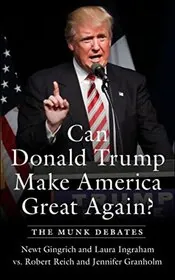
Can Donald Trump Make America Great Again?
by Newt Gingrich
2016
This slim volume prints the Munk Debate on Donald Trump and the future of the United States. Gingrich's side argues for disruption, while the opposing team warns of danger and division.
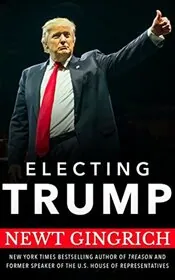
Electing Trump
by Newt Gingrich
2016
Gingrich explains why Donald Trump broke through in 2016 and why many voters chose him over both party establishments. It is a short case for reading the election as a deeper revolt against the old order.
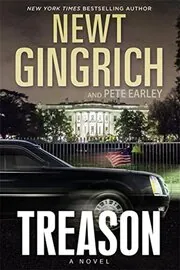
Treason
by Newt Gingrich
2016
After a coordinated attack in Washington, Brooke Grant must uncover the double agent working inside the U.S. government. The hunt forces her to navigate grief, betrayal, and the fear that the enemy is already inside the system.
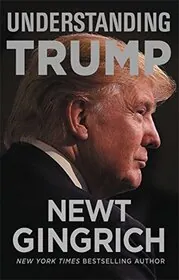
Understanding Trump
by Newt Gingrich
2017
Part profile and part political argument, this book explains how Gingrich believes Donald Trump thinks, governs, and connects with voters. It also sketches the agenda Gingrich saw behind the early Trump presidency.
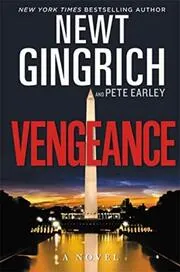
Vengeance
by Newt Gingrich
2017
On the day of Brooke Grant's wedding, a bombing kills hundreds and turns her life upside down. She joins a secret CIA team and hunts the terrorist called the Falcon across a widening international battlefield.
Is American Democracy in Crisis?
by Newt Gingrich
2018
This Munk Debate transcript gathers arguments over polarization, trust, and whether the American system is breaking down. It is a quick read built around live debate rather than a single authorial essay.
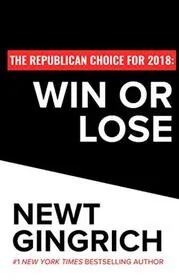
The Republican Choice for 2018
by Newt Gingrich
2018
A short election-season argument about the stakes of the 2018 midterms from Gingrich's point of view. It is aimed at readers who want his case for the Republican path forward.
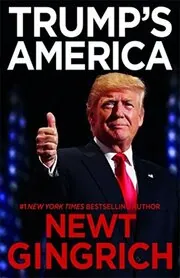
Trump's America
by Newt Gingrich
2018
Gingrich defends the early Trump years as a comeback story and explains why he thinks the president's message resonated outside Washington. The book mixes political analysis with movement-style argument.
America's Greatest Challenge
by Newt Gingrich
2019
Gingrich argues that the Chinese Communist Party poses a major strategic challenge to the United States. He examines competing political systems and proposes changes in government and the private sector to address China's expanding influence.
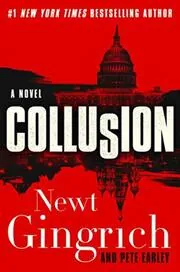
Collusion
by Newt Gingrich
2019
When terrorists strike in Kyiv and a Russian insider tries to defect, Brett Garrett and Valerie Mayberry are pulled into a dangerous intelligence fight. The trail runs from Washington politics to Moscow's shadow war.
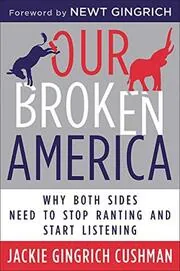
Our Broken America
by Newt Gingrich
2019
This book looks at the anger, mistrust, and drift many Americans feel, while asking what still holds the country together. It leans on voices, stories, and reflection rather than a single policy blueprint.
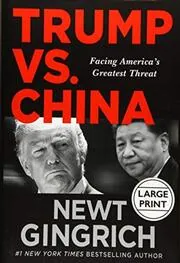
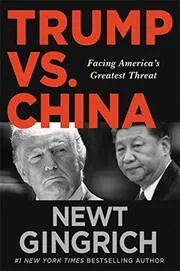
Trump vs. China
by Newt Gingrich
2019
Gingrich argues that China's leaders are mounting a long-term challenge to American power through economic pressure, espionage, and strategic competition. He lays out the threat in accessible, urgent terms.
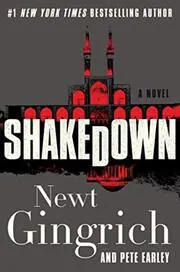
Shakedown
by Newt Gingrich
2020
After an Iranian scientist is murdered near Brett Garrett's home, Garrett and Valerie Mayberry dig into a plot that stretches across intelligence services and criminal networks. The danger builds toward a potential strike on the United States.
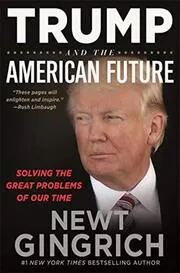
Trump and the American Future
by Newt Gingrich
2020
Written in the middle of the 2020 campaign season, this book argues that the election would shape the country's direction on growth, bureaucracy, and foreign policy. Gingrich reads the moment as a major national fork in the road.
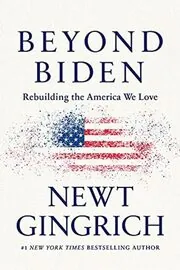
Beyond Biden
by Newt Gingrich
2021
This book presents Gingrich's case that progressive institutions and ideas have grown stronger and more aggressive in American public life. He frames it as a struggle over the country's values, identity, and future.
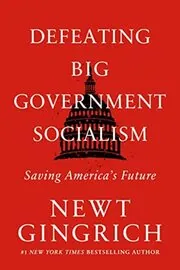
Defeating Big Government Socialism
by Newt Gingrich
2022
Gingrich argues that an expanding alliance of government, media, business, and academia is reshaping American life in the wrong direction. He pairs the critique with a call for conservative resistance.
March to the Majority
by Newt Gingrich
2023
Written with Joe Gaylord, this political history looks back on the campaign strategy and internal fights behind the Republican Revolution of 1994. Gingrich mixes memoir, movement history, and lessons for today's right.
Trump's Triumph
by Newt Gingrich
2025
Gingrich frames Trump's 2024 victory as a remarkable political comeback and a turning point for the broader movement around him. The book looks backward at the campaign and forward to what comes next.
Where to start with Newt Gingrich
For Civil War alternate history: Gettysburg → Grant Comes East → Never Call Retreat
For World War II what-ifs: Pearl Harbor → Days of Infamy
For George Washington in the Revolution: To Try Men's Souls → Valley Forge → Victory at Yorktown
For modern political analysis: Understanding Trump → Trump's America → Trump vs. China
Newt Gingrich sub-series and character series
Brooke Grant books in order
Explore this seriesCivil War/Gettysburg books in order
Explore this seriesCivil War/Gettysburg books in chronological order
Mayberry and Garrett books in order
Explore this seriesPearl Harbor/Pacific War books in order
Explore this seriesPearl Harbor/Pacific War books in chronological order
Newt Gingrich collections, short stories, and related book types
Non-Fiction
by Newt Gingrich
2007Ten Commitments You Can Make to Protect the Environment Now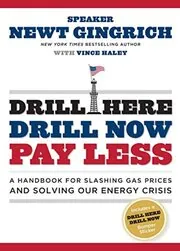
by Newt Gingrich
2009Reflections on the Role of Faith in Our Nation's History and Future
by Newt Gingrich
2013Pioneers of the Future, Prison Guards of the Past, and the Epic Battle That Will Decide America's Fate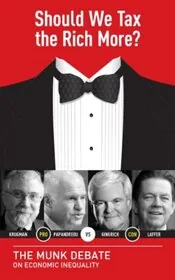



Standalone Newt Gingrich books
by Newt Gingrich
1994The Bold Plan by Rep. Newt Ginrich, Rep. Dick Armey and the House Republicans to Change the Nation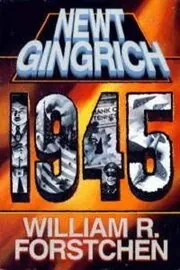
Author bio
Newt Gingrich was born Newton Leroy McPherson on June 17, 1943, in Harrisburg, Pennsylvania. He grew up in a military family and moved often, spending part of his childhood in Europe as well as the American South. That kind of upbringing seems to have fed two lifelong interests, how big institutions work, and how history can suddenly turn on one decision.
As a boy living in France, he visited the battlefield at Verdun, an experience he later pointed to as a serious early lesson in war, leadership, and sacrifice. He studied history at Emory University, earned his master's and PhD at Tulane University, and spent part of his graduate work in Brussels. In the 1970s, he taught history and environmental studies at West Georgia College.
Politics came next. Gingrich was elected to Congress from Georgia in 1978, became one of the most visible Republican leaders in the House, and served as Speaker from 1995 to 1999. Those years made him a major public figure, but they also gave him a huge store of material for later books about power, institutions, and the rough mechanics of governing.
His writing career started in nonfiction. Window of Opportunity showed an early fascination with technology, space, and long-range planning, while books like To Renew America and Lessons Learned the Hard Way mixed policy arguments with first-person political experience. Even when he is making a case about taxes, health care, or energy, he tends to frame the issue as part of a much bigger national story.
History never stopped being his favorite subject.
In 1995, he and William R. Forstchen published 1945, an alternate-history novel that imagined a very different end to World War II. That opened the door to some of the books many readers now know best, Gettysburg, Grant Comes East, Never Call Retreat, Pearl Harbor, and Days of Infamy. These novels ask classic what-if questions, but they are just as interested in supply lines, command decisions, and the pressure leaders feel when the map starts to go wrong.
He also wrote fiction that stays closer to the historical record. To Try Men's Souls, Valley Forge, and Victory at Yorktown keep George Washington at the center and show the Revolutionary War as a long, uncertain struggle rather than a neat legend. Later, in modern thrillers like Duplicity, Treason, and Vengeance, he teamed up with Pete Earley and shifted that same interest in national security into fast-moving stories about terrorism, espionage, and Washington intrigue.
The range is wide, but the concerns are pretty consistent.
Across books like Breakout, Understanding Trump, Trump vs. China, and March to the Majority, Gingrich returns to leadership, American identity, technological change, and the gap between large systems and real people. He writes like a former professor who spent decades in politics, someone comfortable moving from a battlefield in 1863 to a campaign war room in 1994 to a contemporary argument about China or bureaucracy.
In recent years, he has kept publishing while also working in media and on documentary projects with his wife, Callista Gingrich. For readers, that means his bibliography does not sit in one lane. It moves between history, politics, policy, and suspense, and that mix is a big part of the appeal.

Edited by
Software engineer whose passion for tracking book recommendations from podcasts inspired the creation of MRB.
Lead investor at 3one4 Capital whose startup expertise and love for books helped shape MRB and its growth.
Comments
Did we miss something? Have feedback?
Help us improve this page by sharing your thoughts