
Patricia Lynch Books in Order
Browse Patricia Lynch books in order, with short summaries, series guides, and easy help choosing where to start, from Brogeen to The Turf-Cutter's Donkey.
Last updated:
As an Amazon Associate, we earn from qualifying purchases (at no extra cost to you).
Patricia Lynch books in publication order
38 books

The Turf-Cutter's Donkey
by Patricia Lynch
1934
Seamus and Eileen live in a whitewashed cottage beside the bog, where their father works as a turf-cutter. When a strange little donkey enters their lives, everyday Ireland opens into myth, magic, and adventure.

The Turf-Cutter's Donkey Goes Visiting
by Patricia Lynch
1935
Long Ears heads off on an island visit, and Eileen and Seamus find that even a holiday can tip into enchantment. The sequel keeps the same mix of rural detail, folklore, and cheerful adventure.

Long Ears
by Patricia Lynch
1943
This time the spotlight falls more fully on Long Ears, the little grey donkey whose wandering nature keeps starting adventures. His journey through the Irish countryside is funny, warm, and lightly magical.

Knights of God
by Patricia Lynch
1945
Lynch retells stories of Irish saints in a way younger readers can follow, keeping the wonder, danger, and moral weight. It is a lively introduction to older religious legend.

Strangers At the Fair
by Patricia Lynch
1945
Set around the excitement of a fair, this story is full of chance meetings, bustle, and the feeling that anything might happen once strangers arrive in town. Lynch is very good on crowd scenes and sudden turns.

Turf-Cutters Donkey Kicks Up His Heels
by Patricia Lynch
1946
Eileen, Seamus, and their pet donkey are off again, stumbling from ordinary country life into stranger territories where old legends still feel close. It is another lively mix of family warmth and folklore.
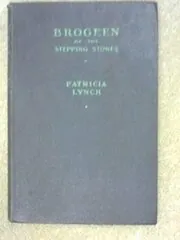
Brogeen of the Stepping Stones
by Patricia Lynch
1947
Brogeen, a curious leprechaun from the world of the Little People, slips into human country and finds more adventure than he expected. It is a warm, wandering start to Lynch's fairy series.
The Cobbler's Apprentice
by Patricia Lynch
1947
A young apprentice enters the working world through a cobbler's shop and has to learn patience, pride, and his trade the hard way. Lynch keeps the story grounded in ordinary Irish life and quiet feeling.

Mad O'Hanas
by Patricia Lynch
1948
An unruly family turns everyday life into a comic uproar, with loyalty and local feeling never far from the surface. It is one of Lynch's livelier family stories, noisy, affectionate, and full of character.

The Seventh Pig
by Patricia Lynch
1950
This collection gathers Irish fairy tales in clear, lively retellings that keep their oddity and dark sparkle. It is a good entry point if you want Lynch as a storyteller of legend rather than novelist.
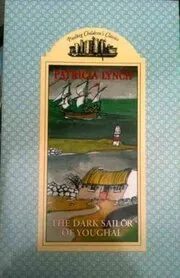
The Dark Sailor of Youghal
by Patricia Lynch
1951
Set on the south coast, this story follows children drawn toward the mystery of a dark sailor and the trouble around him. Sea wind, rumor, and a touch of unease keep the pages moving.
Brogeen Follows the Magic Tune
by Patricia Lynch
1952
Brogeen takes pity on a bad-tempered fiddler and brings him into fairy country, only to see the precious magic tune stolen. To set things right, he has to leave safety behind and go after it.
Grania of Castle O'Hara
by Patricia Lynch
1952
Grania grows up under the shadow of Castle O'Hara, where family pride and local custom shape every choice. Lynch gives the story an old-house atmosphere without losing its warmth.

Tales of Irish Enchantment
by Patricia Lynch
1952
Lynch retells ancient Irish myths and heroic stories for younger readers without flattening their strangeness. The result is welcoming, vivid, and a fine bridge into older legend.
The Boy at the Swinging Lantern
by Patricia Lynch
1952
A boy carrying a lantern becomes the center of a tense, night-bound adventure shaped by secrecy and sudden decisions. The book has the strong sense of place and strangeness Lynch does so well.
Brogeen and the Green Shoes
by Patricia Lynch
1953
A fine piece of green leather becomes a pair of shoes with a will of their own, and suddenly Brogeen is being tugged into one encounter after another. It is a playful, fast-moving fairy adventure.
Orla of Burren
by Patricia Lynch
1954
A magic stone carries two children into the older west of Ireland, where Orla's story touches the age of the Tribes of Galway and Grace O'Malley. It is one of Lynch's richest blends of history and fantasy.

Brogeen and the Princess of Sheen
by Patricia Lynch
1955
Brogeen is drawn back into the affairs of Sheen when the fairy court and a princess need help. The result is a gentle quest through Irish enchantment, with music, mischief, and just enough danger.
The Bookshop on the Quay
by Patricia Lynch
1956
Orphaned Shane Madden comes to Dublin looking for his Uncle Tim and finds work at the Four Masters Bookshop. It is a warm city story about books, belonging, and finding a place to stay.
Cobbler's Luck
by Patricia Lynch
1957
Luck, work, and stubbornness shape this grounded story of a cobbler and the people around him. It is a homely Irish tale, full of practical detail, small reversals, and quiet heart.
Fiona Leaps the Bonfire Hardcover
by Patricia Lynch
1957
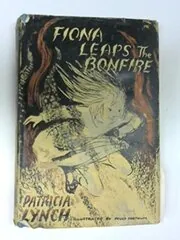
On a festive night, Fiona's leap over the bonfire opens the way to a story of bravery, change, and community feeling. Lynch mixes holiday color with family warmth and a hint of the uncanny.
Delia Daly of Galloping Green
by Patricia Lynch
1958
Delia Daly's world is full of energy, family feeling, and the push and pull between freedom and responsibility. The Galloping Green setting gives Lynch room for humor, movement, and a strong sense of home.
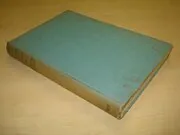
The Old Black Sea Chest
by Patricia Lynch
1958
An old sea chest and its hidden history pull young characters into a Bantry Bay adventure shaped by the coast, family ties, and long-kept secrets. The mystery is brisk, but the setting is what lingers.
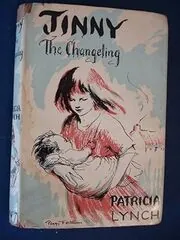
Jinny the Changeling
by Patricia Lynch
1959
Jinny's story draws on changeling folklore to create a tale of belonging, unease, and imagination. It sits right on the line between ordinary family life and the strange pull of the otherworld.
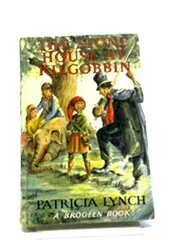
The Stone House at Kilgobbin
by Patricia Lynch
1959
Brogeen's wandering brings him to the stone house at Kilgobbin, where human life and fairy business begin to overlap. Lynch mixes homely detail with the quiet magic and comic trouble the series does so well.
Sally From Cork
by Patricia Lynch
1960
When the family she has been staying with leaves Ireland for America, Sally travels by boat to London to start again with her sister and brother. It is an emigrant story told with warmth and steadiness.
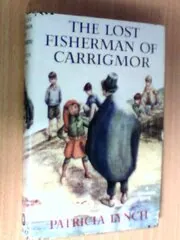
The Lost Fisherman of Carrigmor
by Patricia Lynch
1960
A missing fisherman and the strange feeling hanging over Carrigmor pull Brogeen into another uneasy adventure. The story balances mystery, folklore, and the leprechaun's habit of landing in trouble.
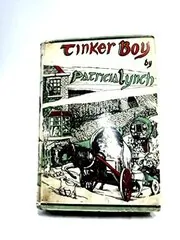
Tinker Boy
by Patricia Lynch
1960
A tinker boy moves along the roads between camps, cottages, and settled villages, never quite fully inside any one world. Lynch turns that restless position into a story about freedom, exclusion, and growing up.
Ryan's Fort
by Patricia Lynch
1961
An old fort and the questions around it draw young characters into a story of courage, memory, and local belonging. Lynch is especially good at making the landscape feel like part of the plot.
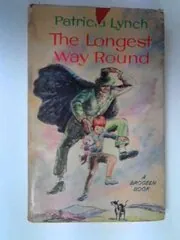
The Longest Way Round
by Patricia Lynch
1961
What should be a straightforward journey turns into a much bigger adventure, full of delays, detours, and unexpected helpers. Lynch makes the road itself feel alive, and that is the real pleasure of the book.
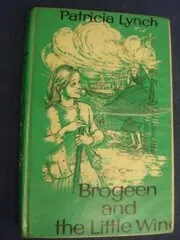
Brogeen and the Little Wind
by Patricia Lynch
1962
A small wind is enough to send Brogeen wandering again, and one tiny shift becomes a chain of surprises. This is a light, charming later tale with the same fairy warmth as the earlier books.
The Golden Caddy
by Patricia Lynch
1962
A golden caddy links the present to an older story and sets off a search through family talk, local history, and surprise turns. It has the cozy mystery feel that suits Lynch very well.
Holiday at Rosquin
by Patricia Lynch
1964
What begins as a holiday at Rosquin soon grows into an adventure shaped by new friendships, small mysteries, and the freedom of being away from home. Lynch is especially good at that holiday excitement.
Mona of the Isle
by Patricia Lynch
1965
Set against island life and sea weather, this story follows Mona through a world of change, loyalty, and discovery. The setting does much of the work, giving the book its quiet, searching pull.
Back of Beyond
by Patricia Lynch
1966
Four children living with their grandmother are terrified when their father writes to say he is remarrying. They run away to find a favorite aunt, and the road brings them into a string of strange encounters.
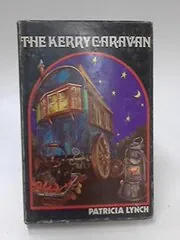
The Kerry Caravan
by Patricia Lynch
1967
A caravan trip through Kerry opens into a road story full of shifting weather, comic encounters, and the thrill of being on the move. Travel lets Lynch bring countryside and character together.
A Storyteller's Childhood
by Patricia Lynch
1982
Lynch looks back on her early years in Cork and the people, voices, and places that fed her imagination. It is part memoir, part mood piece, and a lovely guide to the roots of her fiction.

The Grey Goose of Kilnevin
by Patricia Lynch
1984
Betsy, a grey goose bound for the fair, befriends Sheila on the road, and the two wander into a chain of adventures and odd meetings. It is comic, magical, and full of movement.
Where to start with Patricia Lynch
If you want the classic Irish fantasy first: The Turf-Cutter's Donkey → The Turf-Cutter's Donkey Goes Visiting → Long Ears
If you like leprechauns and fairy mischief: Brogeen of the Stepping Stones → Brogeen Follows the Magic Tune → Brogeen and the Green Shoes
If you prefer warm, realistic family stories: The Bookshop on the Quay → Fiddler's Quest → Back of Beyond
If you want the life behind the fiction: A Storyteller's Childhood → Tales of Irish Enchantment
Patricia Lynch sub-series and character series
The Turf-Cutter's Donkey books in order
Explore this seriesThe Turf-Cutter's Donkey books in chronological order
Patricia Lynch collections, short stories, and related book types
Collections
Non-Fiction
Standalone Patricia Lynch books
Author bio
Patricia Lynch was born in Cork on June 4, 1894, and became one of the central figures in Irish children's writing in the twentieth century. She wrote about cottages, bog roads, fairs, bookshops, islands, and city quays, but in her hands those familiar places were never just ordinary. They were the sort of places where a child might turn a corner and walk straight into folklore.
Her early life seems to have been unsettled, and much of what later readers know about it comes through her own memoir, A Storyteller's Childhood. Her father died when she was young, and her schooling took her through Ireland, Scotland, Belgium, and England. That sense of movement, separation, and half-found homes runs quietly through many of her books.
Stories got to her early.
She grew up with the sounds of Irish storytelling in her ear, and that mattered. Even when she wrote fantasy, the magic usually rose out of small domestic things, talk by the fire, a road over the bog, a market day, a child sent on an errand. Her prose is plainspoken, but it has a strong sense of rhythm and place.
Before she became widely known as a novelist, Lynch worked as a journalist. As a young freelance writer she covered the 1916 Easter Rising in Dublin, and her eyewitness piece Scenes from the Rebellion became one of the early printed accounts of those days. She was also active in the women's suffrage movement and moved in political and literary circles that overlapped with Irish nationalism.
In 1922 she married the writer and historian R. M. Fox, and the two settled in Dublin. Her first book, The Green Dragon, appeared in 1925, but The Turf-Cutter's Donkey in 1934 was the book that fixed her place in readers' memories. Later titles such as Brogeen of the Stepping Stones, The Grey Goose of Kilnevin, Fiddler's Quest, The Bookshop on the Quay, and Tales of Irish Enchantment show how comfortably she could move between fantasy, family story, and retold legend.
She wrote a lot.
Across her career she produced around 48 books and some 200 short stories. Her best work blends warm family feeling with brisk adventure and a very Irish kind of wonder. Children in her fiction meet leprechauns, ancient heroes, mysterious animals, wandering fiddlers, and odd strangers, but they also worry about work, money, food, pride, and belonging.
That balance is a big part of why the books last. Lynch liked brave, curious children, strong-willed girls, restless boys, and characters who stand a little to one side of ordinary life. She also had a good eye for collaborators, and artists such as Jack B. Yeats and Seán Keating helped give some of her most famous books their visual life.
In 1947 she published A Storyteller's Childhood, a semi-autobiographical book that circles back to the people and voices that shaped her imagination. She kept writing for decades afterward and remained closely linked with the world of Irish letters. Lynch died in Monkstown, County Dublin, on September 1, 1972, but her stories still feel close, homely, and slightly enchanted.

Edited by
Software engineer whose passion for tracking book recommendations from podcasts inspired the creation of MRB.
Lead investor at 3one4 Capital whose startup expertise and love for books helped shape MRB and its growth.
Comments
Did we miss something? Have feedback?
Help us improve this page by sharing your thoughts