
P Division Books in Order
Part ofPeter Turnbull Books in OrderFind the P Division books in order by Peter Turnbull, with quick summaries, series background, and guidance on where to start with the Glasgow cases.
Last updated:
As an Amazon Associate, we earn from qualifying purchases (at no extra cost to you).
P Division books in publication order
10 books

Deep and Crisp and Even
by Peter Turnbull
1981
A heavy Glasgow snowfall muffles tracks and slows every lead as P Division hunts a knife killer. The debut sets the tone for Turnbull's brisk, street-level police work, where weather and routine both matter.

Dead Knock
by Peter Turnbull
1982
Another Glasgow killing drops P Division into a tight, methodical investigation where witnesses are hard to read and small clues carry real weight. The focus is on the squad's patient police work rather than flashy twists.
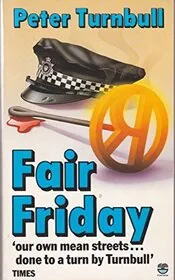
Fair Friday
by Peter Turnbull
1983
Bill McGarrigle is savagely attacked in a Glasgow alley, and P Division launches a full murder investigation. Holiday staffing and oppressive summer heat make an already difficult case even harder to control.
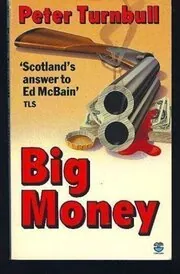
Big Money
by Peter Turnbull
1984
When serious money sits near the center of a murder case, Glasgow's P Division has to follow greed, pressure, and shifting loyalties. It's a lean procedural built around the slow grind of finding who profits from violence.

Two Way Cut
by Peter Turnbull
1988
A headless body with no trace of blood gives Glasgow's P Division a case that makes almost no sense at first. Strange sightings by a canal and stubborn detective work gradually bring the shape of the crime into view.
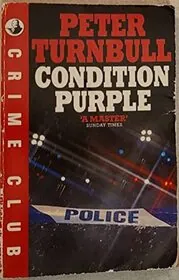
Condition Purple
by Peter Turnbull
1989
A murdered heroin-addicted sex worker, a suspicious tattoo, and eerie phone messages pull Glasgow's P Division into a grim case. Their search leads toward a violent female gang and a killer with a brutal agenda.
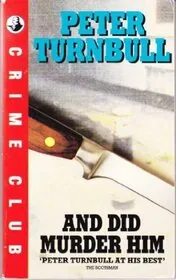
And Did Murder Him
by Peter Turnbull
1991
The death of a young man sets Glasgow's P Division in motion again. Turnbull keeps the case lean and procedural, showing how pressure, routine, and close attention gradually turn a baffling killing into something solvable.
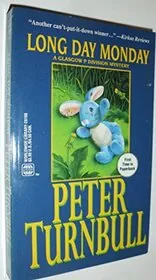
Long Day Monday
by Peter Turnbull
1992
An abandoned stolen car and disturbed earth in rural Lanarkshire revive Sergeant Ray Sussock's memories of an older crime. As more bodies emerge and a boy disappears, P Division realizes it may be racing a serial killer.
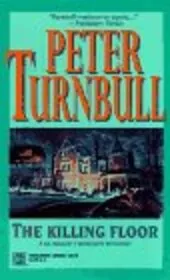
The Killing Floor
by Peter Turnbull
1994
Eight months after social worker Pam McArthur vanishes, her body is found and P Division reopens the question of who wanted her gone. The trail leads through blackmail, corruption, and a secret with ugly reach.
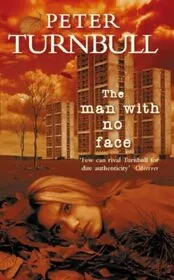
The Man with No Face
by Peter Turnbull
1998
When a man is found with his face blown off, Glasgow's P Division faces a brutal case with almost no easy starting point. The novel follows the squad as they work backward from shock to motive and identity.
P Division books in chronological order
Series background & context
P Division is the series that started Peter Turnbull's career, and it already contains a lot of what he would keep doing well. These are Glasgow police procedurals, set inside the fictional P Division, with the city itself pressing on every page. The streets are cold, busy, rough-edged, and lived in. Crimes do not happen in isolation here. They grow out of the place.
One of the interesting things about this series is that it is not built around a single larger-than-life detective. It is more of an ensemble. Officers such as Chief Inspector Donoghue, Sergeant Ray Sussock, and their colleagues share the load, and the books often feel like a portrait of a working squad rather than a star vehicle. That makes them feel grounded from the start.
The cases cover a wide range of city crime. Deep and Crisp and Even opens under a heavy blanket of snow as the police hunt a knife killer. Fair Friday begins with a brutal attack in a back alley. Condition Purple turns on a murdered sex worker, a tattoo, and a violent gang. Two Way Cut gives the squad a headless body and almost no obvious way in. Later books such as Long Day Monday, The Killing Floor, and The Man with No Face widen the scale into buried bodies, missing children, blackmail, corruption, and especially ugly violence.
What holds the series together is Turnbull's interest in process. These are brisk books, but not rushed ones. He likes interviews, contradictions, paperwork, local knowledge, and the slow pressure that builds when detectives know a case is worse than it first appeared. The action matters less than the accumulation of detail. That gives the novels a tough, workmanlike feel that suits the setting.
Glasgow does a lot of the talking.
The city is not just background. Weather, housing, poverty, traffic, pubs, canals, business districts, and the stretch between center and outskirts all matter to how the investigations unfold. The books feel written by someone interested in what policing looks like on the ground, not just in the final reveal. That is part of why they were later adapted for BBC radio. The dialogue and team interplay carry well.
If you want to start at the beginning of Turnbull's fiction, P Division is the place. It is leaner than the later York books, but you can already see his liking for ensemble casts, buried history, and crimes that leave damage well beyond the victim.




Edited by
Software engineer whose passion for tracking book recommendations from podcasts inspired the creation of MRB.
Lead investor at 3one4 Capital whose startup expertise and love for books helped shape MRB and its growth.
Comments
Did we miss something? Have feedback?
Help us improve this page by sharing your thoughts